

Are Fuel Tablets biodegradable?
Are Fuel Tablets biodegradable?
Hey there! I'm a supplier of fuel tablets, and I often get asked this question: Are fuel tablets biodegradable? It's a great question, especially in today's world where we're all more conscious about the environment. So, let's dig into this topic and find out what's what.
First off, let's understand what fuel tablets are. Fuel tablets are small, solid blocks that are used as a source of fuel for various purposes, like camping stoves, emergency cooking, and even in some industrial applications. There are different types of fuel tablets out there, and each type has its own characteristics when it comes to biodegradability.
One of the popular types of fuel tablets is the Cooking Fuel Tablets. These are commonly used for cooking outdoors. They're designed to burn cleanly and provide a steady source of heat. But are they biodegradable? Well, it depends on the ingredients. Some cooking fuel tablets are made from natural materials like wood or charcoal. These types are generally more biodegradable because they break down over time when exposed to the elements. Wood and charcoal are organic substances, and microorganisms in the soil can gradually decompose them.
On the other hand, there are Solid Alcohol Fuel Tablets. These tablets are made from a solid form of alcohol, usually a mixture of methanol or ethanol with a gelling agent. Solid alcohol fuel tablets are known for their high energy density and clean burn. However, the alcohol itself is not very biodegradable. Alcohol is a chemical compound that can take a long time to break down in the environment. And the gelling agents used in these tablets can also be synthetic and non - biodegradable. So, in general, solid alcohol fuel tablets are not very friendly to the environment in terms of biodegradability.
Then we have Hexamine Fuel Blocks. Hexamine is a synthetic compound that burns very hot and is often used in military and outdoor cooking applications. Hexamine fuel blocks are not biodegradable. They're made from a chemical substance that doesn't break down easily in the natural environment. When these fuel blocks are used, they leave behind residues that can persist in the soil or water for a long time.
So, as a supplier, I understand that customers are concerned about the environmental impact of the products they buy. That's why I'm always looking for ways to offer more eco - friendly options. For example, we're researching and developing fuel tablets that are made from more sustainable and biodegradable materials. We're working on formulations that use natural plant - based ingredients that can break down quickly and safely in the environment.
But it's not just about the biodegradability of the fuel tablets themselves. We also need to consider how they're used. When using fuel tablets, it's important to follow the proper disposal methods. If you're using biodegradable fuel tablets, you can bury the ashes in the soil after they've cooled down. This helps the decomposition process. However, for non - biodegradable fuel tablets, you should collect the residues and dispose of them in a proper waste management facility.
Another thing to keep in mind is the packaging of the fuel tablets. A lot of times, the packaging is made from plastic or other non - biodegradable materials. We're trying to address this issue by using more sustainable packaging options, like cardboard or paper - based materials that can be recycled or composted.
Now, I know that some of you might be thinking, "Well, if non - biodegradable fuel tablets are so bad for the environment, why do they still exist?" The answer is that they have some advantages. Non - biodegradable fuel tablets often have a longer shelf life, higher energy density, and burn more consistently. They're also more convenient in some situations, like in extreme weather conditions where biodegradable fuel sources might not work as well.

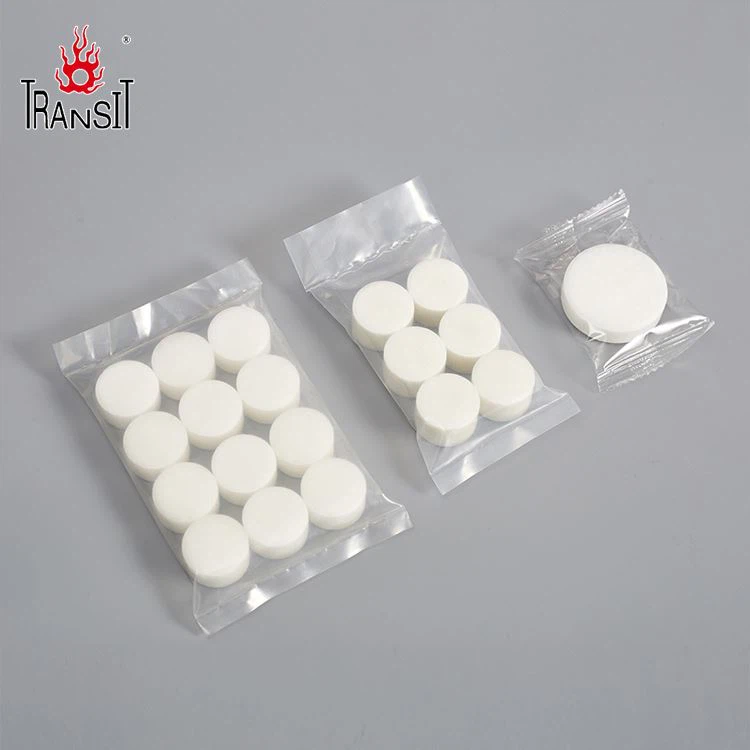
But as the demand for eco - friendly products grows, I believe that the market for biodegradable fuel tablets will also expand. More and more people are willing to make the switch to more sustainable options, even if it means sacrificing a little bit of convenience.
So, if you're in the market for fuel tablets and you're concerned about the environment, I encourage you to look for the biodegradable options. We're constantly working on improving our products to make them more sustainable. And if you have any questions or suggestions, feel free to reach out to us. We're always happy to hear from our customers.
Whether you're a camping enthusiast, an emergency preparedness expert, or just someone who needs a reliable source of fuel, we have a range of fuel tablets to meet your needs. And if you're interested in our biodegradable options, we'd love to have a chat with you. We can discuss your specific requirements and find the best product for you.
If you're looking to make a purchase or just want to learn more about our fuel tablets, don't hesitate to contact us. We're here to help you make an informed decision and provide you with high - quality products that are both effective and environmentally friendly.
References
- Environmental Protection Agency (EPA). Guidelines on waste management and chemical decomposition.
- Journal of Sustainable Energy. Studies on the biodegradability of different fuel sources.
- Outdoor Recreation Research Institute. Reports on the environmental impact of outdoor cooking fuels.