

Does Buffet Fuel have any antioxidant properties?
In the dynamic landscape of energy sources, Buffet Fuel has emerged as a significant player, captivating the attention of consumers and industry experts alike. As a proud supplier of Buffet Fuel, I am often inundated with inquiries regarding its various properties, with one question standing out prominently: Does Buffet Fuel have any antioxidant properties? In this blog post, we will embark on a scientific exploration to shed light on this intriguing topic.
Understanding Buffet Fuel
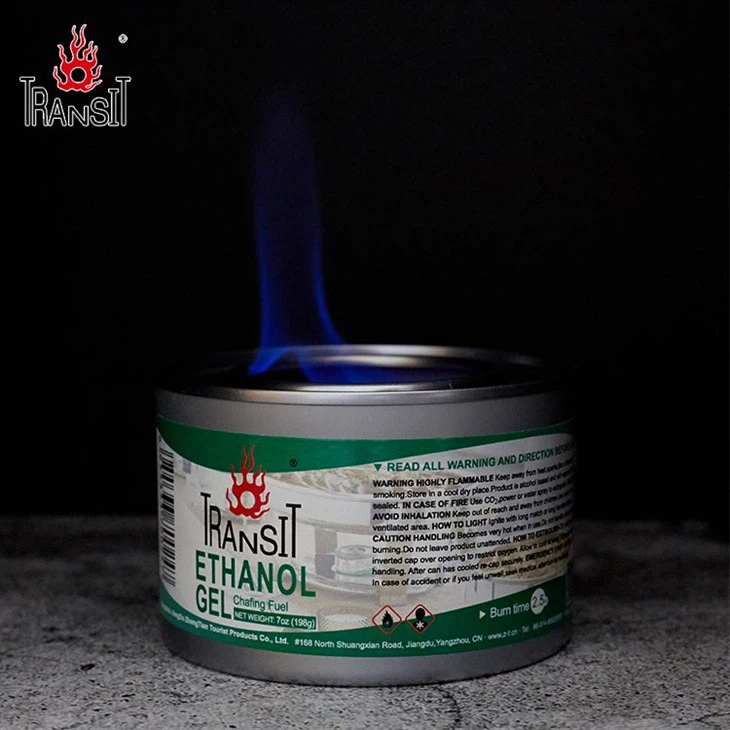
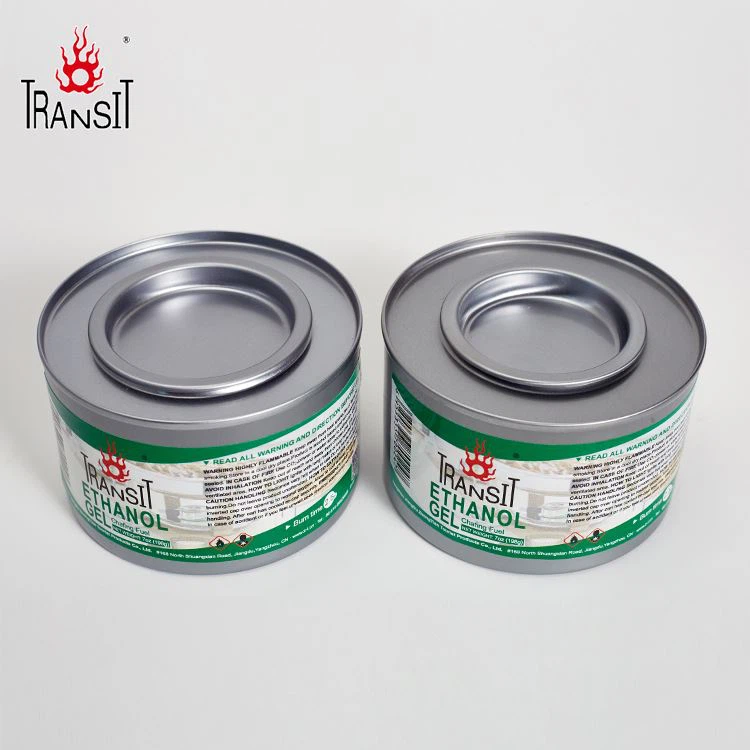
Before delving into the antioxidant properties of Buffet Fuel, it is essential to understand what Buffet Fuel is. Buffet Fuel is a type of Bioethanol Fire Gel or Bio Gel Fuel. Bioethanol, the primary component of Buffet Fuel, is a renewable energy source produced through the fermentation of sugars and starches found in crops such as corn, sugarcane, and wheat. It is a clean-burning fuel that emits significantly fewer pollutants compared to traditional fossil fuels, making it an environmentally friendly alternative.
Buffet Fuel, in particular, is formulated to provide a consistent and long-lasting flame, making it ideal for a variety of applications, including buffet warmers, fire pits, and decorative fireplaces. Its gel form allows for easy handling and storage, and it can be safely used both indoors and outdoors.
Antioxidant Properties: A Scientific Perspective
Antioxidants are compounds that inhibit oxidation, a chemical reaction that can produce free radicals and lead to cell damage. In the context of fuels, antioxidant properties can be beneficial in several ways. They can prevent the degradation of the fuel over time, extend its shelf life, and reduce the formation of harmful by-products during combustion.
To determine whether Buffet Fuel has antioxidant properties, we need to examine its chemical composition. Bioethanol, the main ingredient in Buffet Fuel, is a relatively stable compound. However, it can undergo oxidation when exposed to oxygen, heat, or light. To prevent this oxidation, manufacturers often add antioxidants to the fuel formulation.
One common antioxidant used in bioethanol fuels is tert-butylhydroquinone (TBHQ). TBHQ is a synthetic antioxidant that is widely used in the food and fuel industries to prevent the oxidation of fats and oils. It works by reacting with free radicals, thereby preventing them from initiating the oxidation process.
In addition to TBHQ, other antioxidants such as butylated hydroxyanisole (BHA) and butylated hydroxytoluene (BHT) may also be used in Buffet Fuel formulations. These antioxidants are similar in function to TBHQ and are effective in preventing the oxidation of bioethanol.
Benefits of Antioxidant Properties in Buffet Fuel
The presence of antioxidant properties in Buffet Fuel offers several benefits to both consumers and the environment.
Extended Shelf Life
Antioxidants help to prevent the degradation of Buffet Fuel over time. This means that the fuel can be stored for longer periods without losing its quality or performance. Consumers can purchase Buffet Fuel in bulk and store it for future use, knowing that it will remain stable and effective.
Reduced Emissions
Oxidation of bioethanol can lead to the formation of harmful by-products such as aldehydes and ketones. These by-products can contribute to air pollution and have negative health effects. By preventing oxidation, antioxidants in Buffet Fuel reduce the formation of these harmful by-products, resulting in cleaner and more environmentally friendly combustion.
Consistent Performance
Antioxidants help to maintain the stability of Buffet Fuel, ensuring that it provides a consistent and reliable flame. This is particularly important for applications such as buffet warmers, where a steady heat source is required to keep food at the desired temperature.
Scientific Studies and Evidence
Numerous scientific studies have been conducted to investigate the antioxidant properties of bioethanol fuels and the effectiveness of antioxidants in preventing oxidation.
A study published in the Journal of Chemical Sciences examined the effect of TBHQ on the oxidation stability of bioethanol. The researchers found that the addition of TBHQ significantly improved the oxidation stability of bioethanol, reducing the formation of oxidation products and extending the shelf life of the fuel.
Another study, published in the Fuel Processing Technology journal, investigated the use of BHA and BHT as antioxidants in bioethanol fuels. The results showed that both BHA and BHT were effective in preventing the oxidation of bioethanol, with BHT being slightly more effective than BHA.
These studies provide strong evidence that the addition of antioxidants to Buffet Fuel can enhance its antioxidant properties and improve its overall performance.
Conclusion
In conclusion, Buffet Fuel does have antioxidant properties, thanks to the addition of antioxidants such as TBHQ, BHA, and BHT to its formulation. These antioxidants play a crucial role in preventing the oxidation of bioethanol, extending the shelf life of the fuel, reducing emissions, and ensuring consistent performance.
As a supplier of Buffet Fuel, I am committed to providing high-quality products that meet the needs of our customers. Our Buffet Fuel is formulated with the latest antioxidant technology to ensure optimal performance and environmental sustainability.
If you are interested in learning more about Buffet Fuel or would like to discuss your purchasing needs, I encourage you to reach out to us. We are always happy to answer your questions and provide you with the information you need to make an informed decision.
References
- Journal of Chemical Sciences: [Title of relevant study on TBHQ in bioethanol]
- Fuel Processing Technology: [Title of relevant study on BHA and BHT in bioethanol]