

How do I light catering fuel gel?
Lighting catering fuel gel is a fundamental skill that every professional in the catering industry should master. As a leading supplier of Catering Fuel Gel, I've seen firsthand the importance of proper lighting techniques. In this blog, I'll share my insights on how to light catering fuel gel safely and effectively.
Understanding Catering Fuel Gel
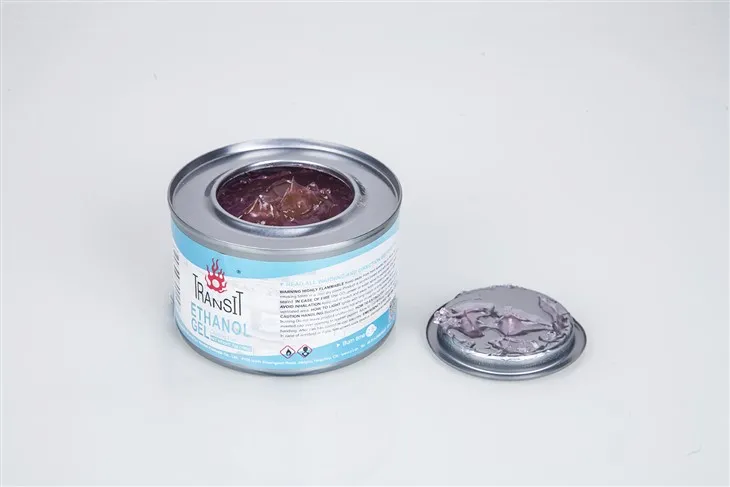
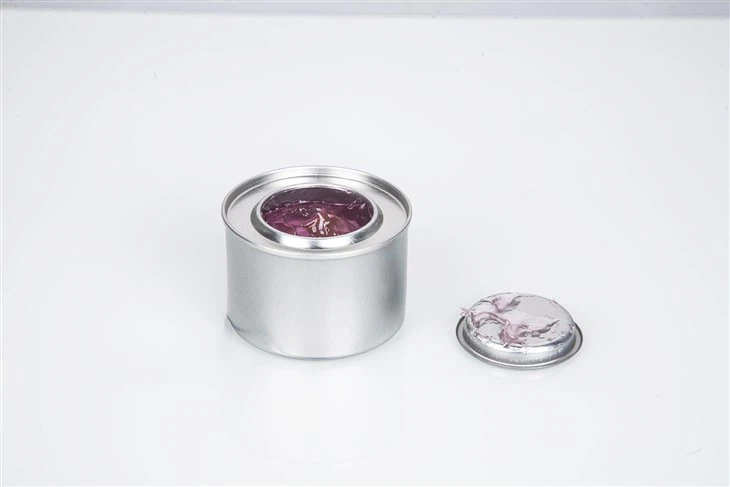
Before we delve into the lighting process, it's essential to understand what catering fuel gel is. Catering fuel gel, such as Gel Chafing Fuel, Canned Heat Ethanol Gel, and Gel Of Bio Ethanol, is a convenient and efficient source of heat for catering purposes. It is typically made from bioethanol, a renewable and clean-burning fuel. This gel is designed to provide a consistent and long-lasting flame, making it ideal for keeping food warm during events, buffets, and other catering services.
Safety First
Safety is paramount when working with any type of fuel, and catering fuel gel is no exception. Before attempting to light the gel, make sure you are in a well-ventilated area. Avoid using the gel in confined spaces or near flammable materials. Additionally, always wear appropriate protective gear, such as heat-resistant gloves, to prevent burns.
Choosing the Right Lighting Method
There are several methods you can use to light catering fuel gel, each with its own advantages and disadvantages. Here are some of the most common methods:
Matches
Matches are a simple and traditional way to light catering fuel gel. To use matches, simply strike the match and hold it close to the surface of the gel until it ignites. Make sure to hold the match at a safe distance to avoid getting burned. One of the advantages of using matches is that they are readily available and easy to use. However, they can be a bit tricky to handle, especially in windy conditions.
Lighters
Lighters are another popular option for lighting catering fuel gel. They offer more control than matches and are often easier to use in windy conditions. To use a lighter, simply turn on the flame and hold it close to the surface of the gel until it ignites. There are different types of lighters available, such as butane lighters and long-reach lighters. Long-reach lighters are particularly useful as they allow you to keep a safe distance from the flame.
Ignition Tools
Some catering fuel gel products come with specialized ignition tools. These tools are designed to provide a quick and easy way to light the gel. They often use a spark or a flame to ignite the gel. If your fuel gel comes with an ignition tool, follow the manufacturer's instructions carefully to ensure safe and proper use.
Step-by-Step Lighting Process
Now that you've chosen your lighting method, let's go through the step-by-step process of lighting catering fuel gel:
- Prepare the Gel Container: Make sure the gel container is clean and free of any debris. Place the container on a stable and heat-resistant surface.
- Open the Container: Carefully remove the lid or seal from the gel container. Some containers may have a safety seal that needs to be removed before lighting.
- Position the Lighting Source: Hold the match, lighter, or ignition tool close to the surface of the gel. Make sure to keep a safe distance to avoid getting burned.
- Ignite the Gel: Gently touch the flame to the surface of the gel. The gel should ignite within a few seconds. If the gel doesn't ignite immediately, try moving the flame around the surface of the gel or using a different lighting method.
- Monitor the Flame: Once the gel is ignited, monitor the flame to ensure it is burning evenly. If the flame is too large or too small, you may need to adjust the amount of gel or the ventilation.
Troubleshooting
Sometimes, you may encounter issues when trying to light catering fuel gel. Here are some common problems and their solutions:
Gel Won't Ignite
- Check the Lighting Source: Make sure your match, lighter, or ignition tool is working properly. If it's a lighter, check the fuel level and make sure it's turned on.
- Check the Gel: Sometimes, the gel may be too cold or wet, which can make it difficult to ignite. Try warming the gel slightly or drying it off before attempting to light it again.
- Adjust the Ventilation: Poor ventilation can prevent the gel from igniting. Make sure you are in a well-ventilated area and that there is enough air circulation around the gel container.
Flame is Too Large or Too Small
- Adjust the Amount of Gel: If the flame is too large, you may have used too much gel. Try removing some of the gel from the container. If the flame is too small, you may need to add a little more gel.
- Check the Ventilation: Improper ventilation can also affect the size of the flame. Make sure there is enough air circulation around the gel container.
Conclusion
Lighting catering fuel gel is a relatively simple process, but it requires careful attention to safety and proper technique. By following the steps outlined in this blog and choosing the right lighting method, you can ensure that your catering events run smoothly and safely.
As a Catering Fuel Gel supplier, we are committed to providing high-quality products and excellent customer service. If you have any questions about our catering fuel gel products or need more information on how to light them, please don't hesitate to contact us. We are here to help you with all your catering fuel needs and look forward to discussing potential procurement opportunities with you.
References
- General safety guidelines for using fuel products.
- Manufacturer's instructions for specific catering fuel gel products.