

How do I troubleshoot problems with methanol gel fuel?
As a supplier of methanol gel fuel, I understand that customers may encounter various problems when using this product. In this blog, I'll share some effective troubleshooting methods based on my years of experience in the industry.
1. Fuel Fails to Ignite
- Check the Ignition Source
Sometimes the simplest reason for the fuel not igniting is a faulty ignition source. Ensure that your lighter or matches are working properly. If you're using a utility lighter, make sure it has enough fuel. In some cases, a weak or inconsistent flame from the ignition tool won't be sufficient to ignite the methanol gel fuel. - Inspect the Fuel Condition
Methanol gel fuel should have a proper consistency. If it has been exposed to extreme temperatures or improper storage conditions, its properties may change. For example, if it has become too dry, it might be difficult to ignite. It's important to store the fuel in a cool, dry place away from direct sunlight. Refer to our Solid Fuel page for more detailed storage instructions. - Check for Contaminants
Foreign substances in the fuel can prevent ignition. Make sure there are no debris, dust, or water in the container with the gel fuel. Even a small amount of water can disrupt the combustion process. If you suspect contamination, carefully remove the fuel from the container and replace it with a fresh batch.
2. Uneven Burning
- Surface Area and Container Shape
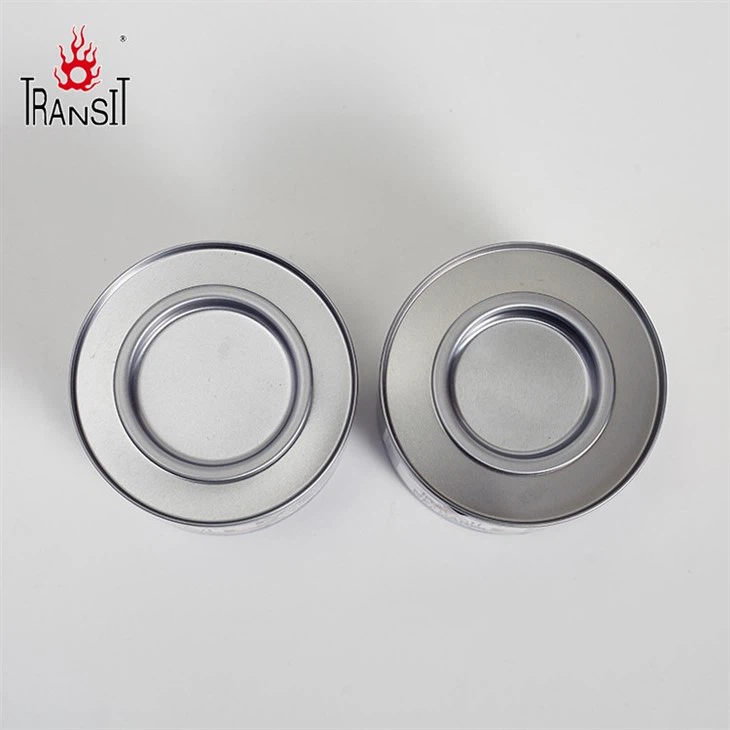
The shape and size of the container holding the methanol gel fuel can influence the burning pattern. If the container is too shallow or has an irregular shape, the fuel may not burn evenly. A container that is too wide can cause the outer edges of the fuel to burn faster than the center. Consider using containers specifically designed for methanol gel fuel, like those suitable for our Methanol Chafing Fuel. These containers are engineered to ensure more uniform fuel distribution and combustion. - Fuel Level
An improper fuel level in the container can also lead to uneven burning. If there is too much fuel, it might not get enough oxygen to burn evenly throughout. On the other hand, too little fuel can cause the flame to flicker or go out quickly. Follow the recommended fuel - filling levels provided with the product for optimal performance.
3. Excessive Smoke or Odor
- Quality of the Fuel
Low - quality methanol gel fuel can produce excessive smoke and unpleasant odors during combustion. As a supplier, we ensure that our products are of high quality and burn cleanly. Our Jelled Methanol Warming Fuel is formulated to minimize smoke and odor. If you're experiencing these issues, it's possible that you're using a sub - standard product. Consider switching to our reliable fuel line. - Poor Ventilation
Insufficient ventilation in the area where the fuel is being used can cause the accumulation of smoke and odor. When using methanol gel fuel, it's essential to have adequate air circulation. This is especially important if you're using the fuel indoors. Make sure there are windows open or use exhaust fans to remove the fumes.
4. Premature Flame Extinguishment
- Lack of Oxygen
Oxygen is required for the combustion of methanol gel fuel. If the fuel is placed in an enclosed or poorly - ventilated space, the oxygen supply may be depleted quickly, causing the flame to go out. Ensure that the area around the burning fuel has enough fresh air. You can also check if the container has any vents or openings that might be blocked. - Fuel Depletion
It seems obvious, but sometimes the flame goes out simply because the fuel has been completely consumed. Check the level of the gel fuel in the container. If it's low, it's time to refill or replace the fuel with a new batch.
5. Gel Fuel Hardening or Changing Consistency
- Temperature and Storage
Methanol gel fuel can change its consistency if stored at inappropriate temperatures. Extreme cold can cause the gel to harden, while excessive heat can make it too runny. Store the fuel within the recommended temperature range, typically between 10°C - 30°C. If the fuel has hardened due to cold, you can try warming it up gently in a water bath at a low temperature. However, do not heat it directly on a stove or in a microwave, as this can be dangerous.
Conclusion
In summary, troubleshooting problems with methanol gel fuel often involves checking the ignition source, fuel condition, container, ventilation, and storage conditions. As a reliable supplier, we are committed to providing high - quality products and professional support to our customers. If you encounter any problems that you can't solve after trying these methods, don't hesitate to reach out to us. We are here to assist you with technical advice and ensure that you have a smooth experience with our methanol gel fuel. Whether you are a large - scale event organizer, a restaurant owner, or an individual consumer, our products and services can meet your needs. If you're interested in purchasing our methanol gel fuel products, contact us for more detailed product information and purchasing negotiations.
References

- Industry standards for methanol gel fuel production and safety.
- Research on the combustion characteristics of methanol - based fuels.
- User manuals and technical guides related to methanol gel fuel products.