

How does bioethanol fire gel interact with different types of fire pit liners?
Hey there! I'm a supplier of Bioethanol Fire Gel, and today I'm super stoked to chat about how this amazing stuff interacts with different types of fire pit liners.
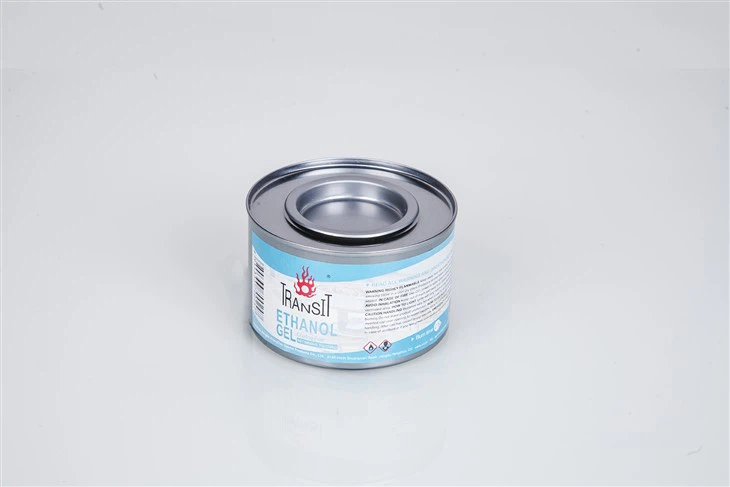
First off, let's get into what Bioethanol Fire Gel is. It's a clean - burning, eco - friendly fuel that gives off a beautiful, warm flame. You can check out more about it here: Bioethanol Fire Gel. Unlike traditional fuels, it doesn't produce a bunch of smoke or harmful fumes, making it a great choice for both indoor and outdoor fire pits.
Now, onto the fire pit liners. There are several types out there, and each one has its own way of interacting with our Bioethanol Fire Gel.

Ceramic Liners
Ceramic liners are pretty popular. They're known for their heat - retention properties. When you use Bioethanol Fire Gel in a fire pit with a ceramic liner, the gel burns steadily. The ceramic liner soaks up the heat from the burning gel and then slowly releases it over time. This means you get a more consistent and long - lasting heat from your fire pit.
One of the cool things about ceramic liners is that they can handle the high temperatures generated by the burning Bioethanol Fire Gel without cracking or breaking easily. However, you do need to be a bit careful when lighting the gel. Make sure you follow the instructions properly because if you pour too much gel at once, it can cause a sudden flare - up, and the intense heat might put some stress on the ceramic liner. But as long as you're cautious, the combination of ceramic liner and Bioethanol Fire Gel works like a charm.
Stainless Steel Liners
Stainless steel liners are another common option. They're durable, easy to clean, and look pretty sleek. When Bioethanol Fire Gel burns in a fire pit with a stainless steel liner, the heat transfer is quite efficient. The steel quickly heats up and distributes the heat around the fire pit.
One advantage of using stainless steel is that it doesn't react chemically with the Bioethanol Fire Gel. So, you don't have to worry about any corrosion or other chemical reactions that could damage the liner. Also, if you accidentally spill a little bit of the gel on the liner, it's easy to wipe off. Just make sure to clean it regularly to keep it looking its best.
However, stainless steel does have a tendency to get really hot on the outside. So, if you have kids or pets around, you might want to put some kind of barrier around the fire pit to prevent them from getting burned.
Stone Liners
Stone liners, like those made from granite or marble, add a natural and rustic look to your fire pit. When it comes to using Bioethanol Fire Gel with stone liners, it's a bit of a mixed bag.
On the plus side, stone can absorb and hold heat well, similar to ceramic. It gives your fire pit a warm and cozy feel. But stone liners can be a bit more porous than ceramic or stainless steel. This means that if there's a spill of Bioethanol Fire Gel, it might seep into the stone. Over time, this could leave stains or even cause the stone to deteriorate.
Also, different types of stone have different heat - tolerance levels. Some stones might crack under the high heat of the burning gel. So, if you're using a stone liner, it's important to choose a type of stone that can handle the heat and to seal the stone properly to prevent any gel absorption.
Glass Liners
Glass liners are becoming more and more popular, especially for indoor fire pits. They create a really beautiful visual effect, allowing you to see the flames of the burning Bioethanol Fire Gel clearly.
When using Bioethanol Fire Gel in a glass - lined fire pit, you need to use tempered glass. Regular glass won't be able to handle the heat and could shatter. Tempered glass is designed to withstand high temperatures, but you still need to be careful. Don't overfill the gel, and make sure there's proper ventilation around the fire pit.
The heat from the burning gel can cause the glass to expand slightly. As long as the glass is of good quality and installed correctly, this expansion won't be a problem. But if there are any flaws in the glass or if it's not installed properly, it could lead to cracking.
How to Choose the Right Liner for Bioethanol Fire Gel
Now that we've talked about how Bioethanol Fire Gel interacts with different liners, how do you choose the right one for your fire pit?
If you're looking for long - lasting heat and don't mind a more traditional look, a ceramic liner might be the way to go. It's great for both indoor and outdoor use and can give you a really consistent heat output.
For those who want something durable and easy to maintain, stainless steel is a top choice. It's practical and can handle the rigors of regular use.
If you're going for a natural and rustic aesthetic, stone liners are an option, but you'll need to do a bit more maintenance and be extra careful with the gel.
And if you're all about the visual appeal and have an indoor fire pit, a glass liner can create a stunning effect. Just make sure to use tempered glass and follow all the safety precautions.
Other Uses of Bioethanol Fire Gel
Bioethanol Fire Gel isn't just for fire pits. It also has other great applications. For example, it can be used as Chafing Dish Fuel. In a chafing dish, the gel burns steadily, keeping your food warm for a long time. It's a much cleaner alternative to traditional chafing dish fuels.
Another use is as Gel Chafing Fuel. It's easy to use and doesn't create a mess. Just place the gel in the designated container, light it up, and you're good to go.
Wrapping Up
In conclusion, Bioethanol Fire Gel is a versatile and great - burning fuel that can work well with different types of fire pit liners. Each liner has its own pros and cons when it comes to using it with the gel, but with the right precautions and maintenance, you can create a great fire - pit experience.
If you're interested in purchasing Bioethanol Fire Gel for your fire pit or other applications, I'd love to have a chat with you. Whether you're a homeowner looking to spruce up your backyard or a business owner in need of chafing dish fuel, we've got you covered. Reach out to start a conversation about your needs, and let's see how we can make your fire - related projects even better.
References
- "Fire Pit Materials and Their Properties" - A study on different materials used in fire pits and their heat - handling capabilities.
- "Bioethanol Fuel: Usage and Safety" - An in - depth look at the proper use and safety measures of bioethanol - based fuels.