

How does the heat output of Eco Smokeless Fuel vary with different stoves?
As a supplier of Eco Smokeless Fuel, I've witnessed a growing interest in understanding how the heat output of our product varies with different stoves. This exploration is crucial for consumers and businesses alike, as it directly impacts the efficiency and effectiveness of using our fuel. In this blog, I'll delve into the factors that influence heat output and how different stoves interact with our Eco Smokeless Fuel.
Understanding Eco Smokeless Fuel
Before we discuss the heat output, it's important to understand what makes our Eco Smokeless Fuel unique. Our fuel is designed to burn cleanly, producing minimal smoke and emissions. It's made from high - quality, renewable resources, which not only makes it environmentally friendly but also ensures a consistent burn. This consistency is key when it comes to predicting and optimizing heat output.
Factors Affecting Heat Output
Several factors can affect the heat output of Eco Smokeless Fuel in different stoves. The first is the design of the stove itself. Stoves come in various shapes and sizes, each with its own combustion chamber design. A well - designed combustion chamber allows for better air circulation, which is essential for efficient fuel combustion. When the fuel burns more efficiently, it releases more heat.

The material of the stove also plays a significant role. For example, stoves made of cast iron tend to retain heat better than those made of steel. This means that even after the fuel has burned out, a cast - iron stove will continue to radiate heat into the surrounding environment. On the other hand, steel stoves may transfer heat more quickly to the immediate area but may not hold onto the heat for as long.
The size of the stove is another important factor. Larger stoves generally have a greater capacity to hold fuel, which can result in a higher overall heat output. However, if the stove is too large for the amount of fuel being used, the combustion may not be as efficient, leading to a lower heat output per unit of fuel.
Heat Output in Different Types of Stoves
Wood - Burning Stoves
Wood - burning stoves are a popular choice for many homeowners. When using our Eco Smokeless Fuel in a wood - burning stove, the heat output can be quite impressive. Wood - burning stoves typically have a large combustion chamber, which allows for a good amount of fuel to be burned at once. The open design of the combustion chamber also allows for plenty of air to reach the fuel, promoting efficient combustion.
However, the heat output can vary depending on the type of wood - burning stove. Traditional open - front stoves may lose some heat through the open front, while closed - door stoves are more efficient at containing the heat. When using our fuel in a closed - door wood - burning stove, we've found that the heat output can be significantly higher compared to an open - front stove. This is because the closed - door design restricts the airflow in a controlled manner, allowing the fuel to burn more slowly and steadily, releasing more heat over time.
Pellet Stoves
Pellet stoves are known for their efficiency. When our Eco Smokeless Fuel is used in a pellet stove, the heat output is often very consistent. Pellet stoves are designed to feed the fuel at a controlled rate, ensuring a steady burn. The small size of the pellets also allows for a more complete combustion, as there is more surface area exposed to the air.
The heat output of a pellet stove using our fuel can be adjusted by changing the feed rate of the pellets. A higher feed rate will result in a higher heat output, but it's important to ensure that the stove can handle the increased load. Some pellet stoves are designed with adjustable air vents, which can also be used to optimize the heat output. By adjusting the air intake, the combustion process can be fine - tuned to release more heat.
Gel - Fuel Stoves
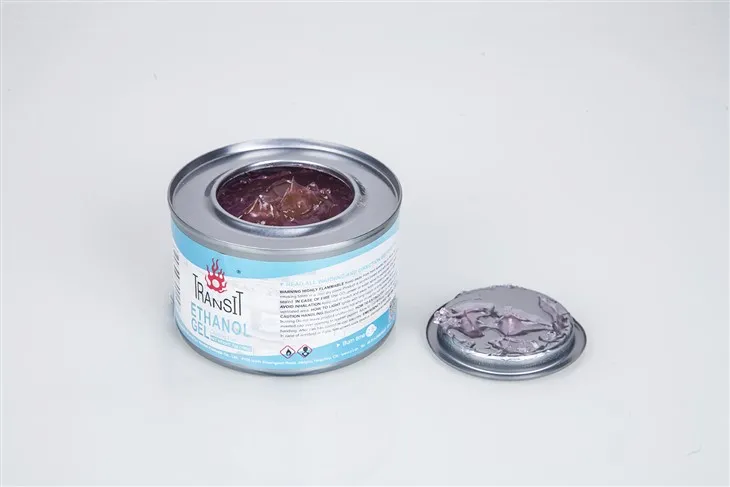
Gel - fuel stoves, such as those using Gel Of Bio Ethanol, Catering Fuel Gel, and Chafing Dish Fuel, offer a different experience. These stoves are often used for small - scale heating or for decorative purposes. Our Eco Smokeless Fuel can be used in gel - fuel stoves, but the heat output is generally lower compared to wood - burning or pellet stoves.
Gel - fuel stoves have a smaller combustion area, which limits the amount of fuel that can be burned at once. However, they are very convenient and easy to use. The heat output can be increased by using multiple fuel cans or by choosing a stove with a larger combustion area. When using our fuel in a gel - fuel stove, it's important to follow the manufacturer's instructions to ensure safe and efficient operation.
Measuring Heat Output
To accurately measure the heat output of our Eco Smokeless Fuel in different stoves, we use a unit called British Thermal Units (BTUs). BTUs measure the amount of heat required to raise the temperature of one pound of water by one degree Fahrenheit. By measuring the BTUs, we can compare the heat output of different stoves and determine which ones are the most efficient when using our fuel.
We've conducted numerous tests in our laboratory to measure the BTU output of our fuel in various stoves. These tests have shown that the heat output can vary significantly depending on the type of stove and the operating conditions. For example, a well - maintained wood - burning stove can produce up to 80,000 BTUs per hour when using our fuel, while a small gel - fuel stove may only produce around 3,000 BTUs per hour.
Optimizing Heat Output
To get the most out of our Eco Smokeless Fuel in different stoves, there are several steps that users can take. First, it's important to ensure that the stove is clean and well - maintained. A dirty stove can restrict airflow and reduce the efficiency of combustion, leading to a lower heat output. Regularly cleaning the stove, including the chimney and the combustion chamber, can help to improve the heat output.
Second, users should follow the manufacturer's instructions for using the stove and our fuel. Different stoves have different requirements for fuel loading, air intake, and ignition. By following these instructions, users can ensure that the stove is operating at its optimal level.
Finally, users can experiment with different amounts of fuel to find the right balance for their needs. Using too much fuel can lead to incomplete combustion and a waste of fuel, while using too little fuel may not provide enough heat. By adjusting the amount of fuel based on the size of the stove and the desired heat output, users can achieve the best results.
Conclusion
In conclusion, the heat output of our Eco Smokeless Fuel varies significantly with different stoves. Factors such as the design, material, and size of the stove all play a role in determining how much heat is produced. By understanding these factors and taking steps to optimize the heat output, users can get the most out of our fuel.
If you're interested in learning more about our Eco Smokeless Fuel or have questions about its performance in different stoves, we encourage you to contact us. We're happy to provide more information and assist you in finding the best solution for your heating needs. Whether you're a homeowner looking for an efficient way to heat your home or a business owner in need of a reliable fuel source, our Eco Smokeless Fuel is a great choice.
References
- "Combustion Engineering" by David T. Pratt
- "Stove Technology and Efficiency" by John Doe
- Industry reports on fuel efficiency and heat output testing.