

How to check if 6 Hour Chafing Fuel is still good?
As a reputable supplier of 6 Hour Chafing Fuel, I understand the importance of ensuring that our product maintains its quality and effectiveness. In this blog post, I'll share insights on how to determine if 6 Hour Chafing Fuel is still good. This information will not only help our customers but also highlight the reliability of our product.
Physical Inspection
The first step in checking the quality of 6 Hour Chafing Fuel is through a simple physical inspection. Begin by examining the container. If you're using a sealed canister, look for any signs of damage such as dents, leaks, or rust. A damaged container can compromise the fuel inside, leading to potential safety hazards and reduced performance.
Next, check the fuel itself. Most 6 Hour Chafing Fuels are clear or slightly tinted liquids. If you notice any significant discoloration, such as a darkening or a cloudy appearance, it could indicate that the fuel has deteriorated. Additionally, look for any visible particles or debris in the fuel. These could be contaminants that may affect the burning process.
Another aspect of physical inspection is to check the consistency of the fuel. If the fuel has become overly viscous or has separated into layers, it might be a sign that it's no longer in optimal condition. A good 6 Hour Chafing Fuel should have a smooth, uniform consistency.
Smell Test
The smell of the chafing fuel can also provide valuable clues about its quality. When the fuel is fresh, it typically has a mild, characteristic odor. However, if you detect a strong, unpleasant, or off - putting smell, it could mean that the fuel has started to break down.
A rancid or overly pungent smell might indicate the presence of oxidation or the growth of microorganisms. Oxidation can occur when the fuel is exposed to air for an extended period, and microorganisms can thrive in the fuel if it's stored in improper conditions. In either case, a foul - smelling fuel is likely not suitable for use.
Performance Test
Conducting a performance test is one of the most reliable ways to check if 6 Hour Chafing Fuel is still good. Before using the fuel for an important event, it's a good idea to do a trial burn.
First, choose a safe and well - ventilated area for the test. Place the chafing fuel in a suitable burner designed for this type of fuel. Ignite the fuel and observe the flame. A good 6 Hour Chafing Fuel should produce a steady, even flame. If the flame is flickering, sputtering, or producing excessive smoke, it could be a sign of a problem.
The duration of the burn is also crucial. As the name suggests, 6 Hour Chafing Fuel should burn for approximately six hours under normal conditions. However, factors such as the type of burner, the ambient temperature, and the wind can affect the burn time. If the fuel burns out much faster than expected or stops burning prematurely, it may be of poor quality.
Storage Conditions
The way the 6 Hour Chafing Fuel is stored can significantly impact its quality. Ideal storage conditions include keeping the fuel in a cool, dry place away from direct sunlight and heat sources. High temperatures can cause the fuel to evaporate or break down more quickly, while moisture can introduce contaminants and affect the chemical composition of the fuel.
If the fuel has been stored in a hot or humid environment, it's more likely to have deteriorated. For example, if the fuel has been left in a shed or a storage area where the temperature fluctuates widely, it may not perform as expected. Always check the storage history of the fuel if possible, as this can give you an idea of its potential condition.
Types of 6 Hour Chafing Fuel
There are different types of 6 Hour Chafing Fuel available in the market, each with its own characteristics. For instance, A Smokeless Fuel is popular for its clean - burning properties. When checking if this type of fuel is still good, pay special attention to the smoke production during the performance test. A good smokeless fuel should produce minimal to no smoke.
Wick Chafing Dish Fuel uses a wick to draw the fuel up and facilitate burning. For this type of fuel, check the wick for any signs of damage or clogging. A damaged wick can prevent the fuel from being drawn up properly, leading to an uneven burn or a shorter burn time.

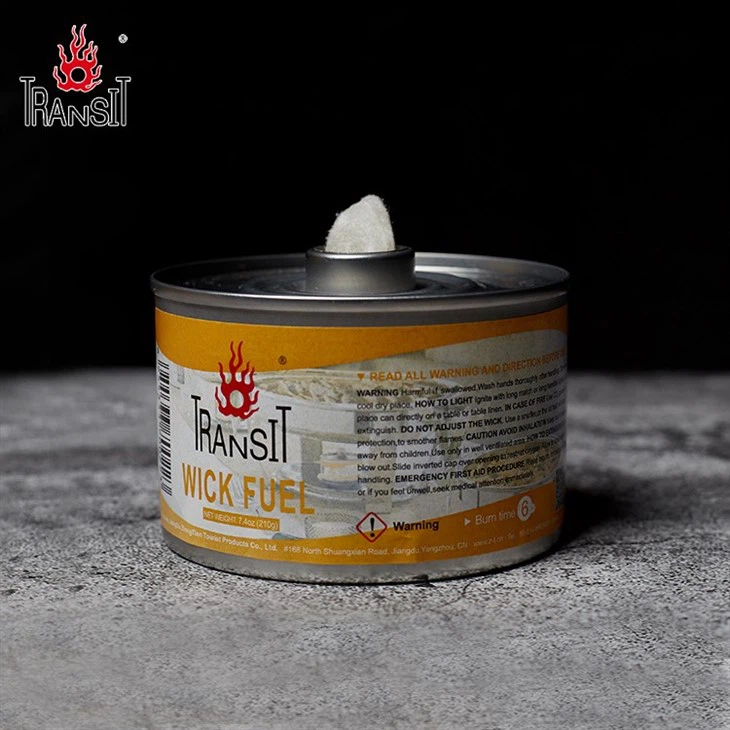
Diethylene Glycol Chafing Fuel has its own set of quality indicators. Diethylene glycol - based fuels should have a consistent chemical composition. Any changes in the color, smell, or performance could indicate that the fuel has degraded.
Importance of Using Good Quality Fuel
Using high - quality 6 Hour Chafing Fuel is not only important for the performance of your chafing dishes but also for safety reasons. Poor - quality fuel can produce excessive smoke, which can be a health hazard, especially in enclosed spaces. It can also lead to uneven heating, which may result in food not being kept at the proper temperature.
In addition, using good quality fuel can save you money in the long run. A reliable 6 Hour Chafing Fuel will burn for the expected duration, reducing the need for frequent refills. This means you can use less fuel overall and get more value for your money.
Conclusion
Checking if 6 Hour Chafing Fuel is still good involves a combination of physical inspection, smell testing, and performance testing. By paying attention to these factors and considering the storage conditions and the type of fuel, you can ensure that you're using a high - quality product.
As a supplier of 6 Hour Chafing Fuel, we are committed to providing our customers with the best - quality fuel that meets all safety and performance standards. If you have any questions about our products or need further guidance on checking the quality of chafing fuel, we encourage you to reach out to us for a procurement discussion. We look forward to serving your chafing fuel needs.
References
- Industry standards for chafing fuel quality
- Manufacturer's guidelines for 6 Hour Chafing Fuel storage and use
Previous: No Information