

Is Buffet Fuel travel - friendly?
In the dynamic landscape of the travel and hospitality industry, the quest for sustainable, efficient, and user - friendly fuel solutions is ceaseless. As a dedicated supplier of Buffet Fuel, I've delved deep into the question: Is Buffet Fuel travel - friendly? To address this, we need to explore multiple aspects, including environmental impact, safety, portability, and cost - effectiveness.
Environmental Impact
In today's world, environmental consciousness is at an all - time high. Travelers and hospitality providers alike are increasingly looking for fuel options that minimize their carbon footprint. Buffet Fuel, particularly in the form of Catering Fuel Gel, often stands out as a more eco - friendly choice.
Most Buffet Fuels are based on bioethanol, a renewable energy source. Bioethanol is produced from organic materials such as corn, sugarcane, or wheat. When burned, it releases significantly fewer greenhouse gases compared to traditional fossil fuels. For instance, a study by the Renewable Energy Association found that bioethanol - based fuels can reduce carbon dioxide emissions by up to 80% compared to conventional fuels.
In the context of travel, this is a game - changer. Whether it's a luxury cruise ship offering high - end buffets or a budget hotel in a remote location, using Buffet Fuel can contribute to a more sustainable travel experience. Tour operators can also use this as a selling point, appealing to the growing segment of eco - conscious travelers.
Safety
Safety is a paramount concern when it comes to any fuel. Buffet Fuel, especially Gel Chafing Fuel, has several safety features that make it travel - friendly.
Firstly, the gel form of the fuel reduces the risk of spills. Unlike liquid fuels, which can easily leak and cause fires or other hazards, gel fuels stay in place. This is crucial during travel, where movements such as the rocking of a ship or the vibrations of a moving vehicle can increase the likelihood of spills.
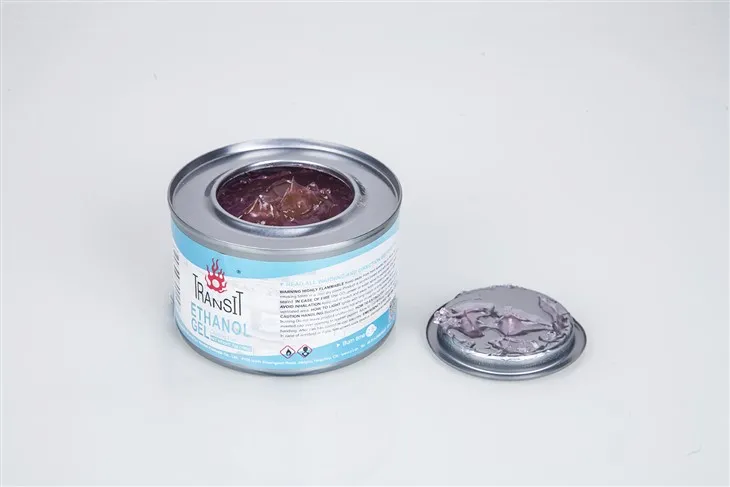

Secondly, Buffet Fuel burns cleanly and with a relatively low flame. This means there is less risk of accidental fires spreading quickly. In a travel environment, where spaces can be confined and evacuation may be challenging, such safety features are invaluable. For example, in a small airline lounge buffet or a mobile food truck, the low - risk nature of Buffet Fuel provides peace of mind for both operators and customers.
Portability
One of the key factors in determining whether a fuel is travel - friendly is its portability. Buffet Fuel scores high in this regard. It comes in compact, easy - to - carry containers. These containers are designed to be stackable, which is ideal for storage during transportation.
Whether you're transporting fuel for a large - scale event on a private jet or for a small local festival by road, the compact nature of Buffet Fuel makes it easy to handle. Additionally, the gel form of the fuel does not evaporate as quickly as liquid fuels, so it can be stored for longer periods without significant loss of volume or energy. This is particularly useful for long - haul travel or in areas where fuel replenishment may be difficult.
Cost - Effectiveness
Cost is always a consideration in the travel and hospitality industry. Buffet Fuel offers a cost - effective solution for businesses. While the initial purchase price may be slightly higher than some traditional fuels, the long - term savings are significant.
Since Buffet Fuel burns cleanly and efficiently, less fuel is required to achieve the same level of heat. This means lower fuel consumption over time. For a hotel or a cruise ship that serves buffets multiple times a day, these savings can add up quickly. Moreover, the reduced maintenance costs associated with clean - burning fuel also contribute to overall cost - effectiveness. For example, there is less soot and residue buildup on cooking equipment, which means less frequent cleaning and replacement of parts.
Challenges and Considerations
Despite its many advantages, there are some challenges to using Buffet Fuel in a travel context. One of the main issues is regulatory compliance. Different countries and regions have different regulations regarding the transportation and use of fuel. For example, some airlines may have strict rules about the quantity of fuel that can be carried on board.
Another consideration is the availability of Buffet Fuel in certain areas. While it is becoming more widely available, there may still be regions where it is difficult to source. This can be a problem for travel operators who need to ensure a continuous supply of fuel for their buffets.
Real - World Applications
To illustrate the travel - friendliness of Buffet Fuel, let's look at some real - world applications. On a luxury cruise ship, Buffet Fuel is used to keep the food warm during long voyages. The safety and portability features are crucial in this environment, where space is limited and the ship is constantly on the move.
In the tourism industry, mobile food vendors at festivals and outdoor events rely on Buffet Fuel. The compact containers are easy to transport, and the clean - burning nature of the fuel is ideal for outdoor settings where environmental concerns are high.
Conclusion
In conclusion, Buffet Fuel is indeed travel - friendly. Its environmental benefits, safety features, portability, and cost - effectiveness make it an attractive option for the travel and hospitality industry. While there are some challenges, such as regulatory compliance and availability, the overall advantages far outweigh these issues.
If you're in the travel or hospitality business and are looking for a reliable, travel - friendly fuel solution, I encourage you to consider Buffet Fuel. Whether you need Catering Fuel Gel, Gel Chafing Fuel, or Gel Of Bio Ethanol, I'm here to assist you. Reach out to discuss your specific needs and explore how Buffet Fuel can enhance your operations.
References
Renewable Energy Association. "The Environmental Benefits of Bioethanol - Based Fuels." 2023.