
Is peat a viable fireplace fuel?
Peat has been used as a fuel source for centuries, especially in regions where it is abundant. As a Fireplace Fuel supplier, I often get asked whether peat is a viable option for fireplace fuel. In this blog post, I'll explore the characteristics of peat, its advantages and disadvantages as a fireplace fuel, and compare it with other popular fireplace fuels.
What is Peat?
Peat is an accumulation of partially decayed vegetation or organic matter. It forms in wetland areas known as peatlands, bogs, mires, moors, or muskegs. Over thousands of years, dead plants, such as mosses, sedges, and shrubs, decompose very slowly in the water - logged and acidic conditions of these wetlands. The resulting material is peat, which has a high carbon content.
Advantages of Using Peat as Fireplace Fuel
1. High Energy Content
Peat has a relatively high energy content compared to some other biomass fuels. When dried properly, it can burn steadily and provide a good amount of heat. This makes it suitable for keeping a fireplace warm for a reasonable period. For instance, in areas where wood is scarce, peat can serve as an alternative heat source. It can produce a consistent flame that can radiate warmth throughout a room, much like traditional wood - burning in a fireplace.
2. Local and Renewable Resource
In regions where peat is abundant, it can be a local and renewable energy source. Unlike fossil fuels such as coal, oil, and gas, which are finite and take millions of years to form, peat can be replenished over time. Harvesting peat can support local economies, as it provides jobs in the extraction, processing, and distribution sectors. This local aspect also reduces the carbon footprint associated with transporting fuel over long distances.

3. Cultural and Traditional Significance
Peat has a long - standing cultural and traditional use in many parts of the world. In countries like Ireland, Scotland, and Finland, peat has been used for heating homes and cooking for generations. Using peat in a fireplace can be a way to connect with local heritage and traditions. It adds a unique and rustic charm to the fireplace experience, as the smell and the way it burns can evoke a sense of history and place.
Disadvantages of Using Peat as Fireplace Fuel
1. Environmental Concerns
The extraction of peat can have significant environmental impacts. Peatlands are important ecosystems that store large amounts of carbon. When peat is harvested, this carbon is released into the atmosphere, contributing to greenhouse gas emissions. Additionally, peat extraction can destroy habitats for many plant and animal species. Wetlands are home to a diverse range of wildlife, including rare birds, insects, and plants. The loss of these habitats can disrupt ecological balance and lead to a decline in biodiversity.
2. High Moisture Content
Peat often has a high moisture content when freshly harvested. This means that it requires a long drying period before it can be used effectively as a fireplace fuel. If wet peat is burned, it will produce a lot of smoke and may not burn efficiently. The high moisture also means that it takes more energy to dry the peat, which can offset some of its environmental benefits. Moreover, the extra smoke can be a nuisance and may also contribute to poor air quality in the home.
3. Ash and Residue
Peat leaves behind a relatively large amount of ash and residue after burning. This can be a hassle to clean up from the fireplace. The ash may also contain minerals and other substances that can be corrosive to the fireplace and chimney over time. Regular cleaning and maintenance are required to prevent blockages in the chimney and to ensure the safe operation of the fireplace.
Comparison with Other Fireplace Fuels
1. Wood
Wood is one of the most popular fireplace fuels. Unlike peat, wood is generally easier to dry and has a lower moisture content when properly seasoned. It also burns with a more pleasant aroma for many people. However, the availability of wood can be limited in some areas, and its harvesting can also have environmental impacts if not done sustainably. Wood can provide a bright and crackling fire, which is often associated with a cozy fireplace experience. In comparison, peat burns more steadily but may not have the same visual appeal as a wood fire.
2. Fireplace Fuel
Our Fireplace Fuel offers a clean - burning alternative to peat. It is designed to be efficient and easy to use. Unlike peat, it doesn't have the high moisture content or the large amount of ash and residue. It is also formulated to produce minimal smoke, which is better for indoor air quality. This type of fuel is convenient for those who want a hassle - free fireplace experience without the environmental concerns associated with peat extraction.
3. Tabletop Fireplace Fuel
Tabletop Fireplace Fuel is another option that provides a different kind of fireplace experience. It is typically used in smaller, more decorative fireplaces or tabletop burners. This fuel is often cleaner and more convenient than peat, as it comes in pre - measured containers and is easy to ignite. It is also designed to burn cleanly, with little to no smoke or ash. Peat, on the other hand, is more suitable for larger, traditional fireplaces but requires more preparation and maintenance.
4. Firepot Fuel Gel
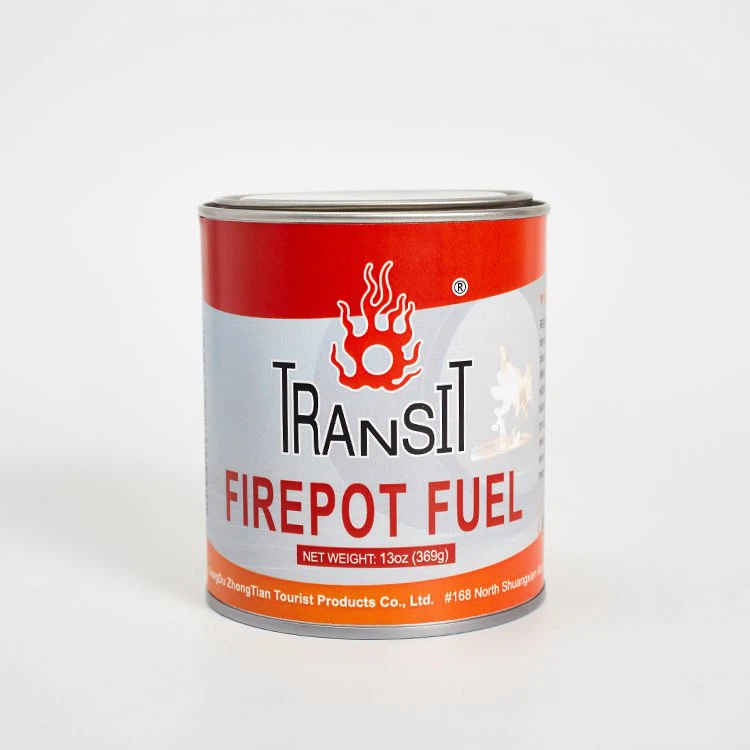
Firepot Fuel Gel is a modern alternative to traditional fireplace fuels. It is easy to use, as it can be simply poured into the fireplace or burner. The gel burns cleanly and produces a consistent flame. It doesn't have the environmental issues associated with peat extraction and is more convenient than dealing with the moisture and ash of peat. However, it may not have the same traditional charm as burning peat.
Conclusion
So, is peat a viable fireplace fuel? It depends on various factors. If you live in an area where peat is abundant, have a way to dry it properly, and are willing to deal with the environmental and maintenance issues, peat can be a viable option. It offers a unique cultural experience and can provide a good source of heat. However, considering the environmental impacts of peat extraction and the challenges associated with its use, there are other alternatives that may be more suitable for many people.
Our Fireplace Fuel, Tabletop Fireplace Fuel, and Firepot Fuel Gel offer cleaner, more convenient, and more environmentally friendly options for your fireplace. If you're interested in exploring these alternatives or have any questions about our fireplace fuels, we encourage you to reach out to us for a procurement discussion. We can provide more information on the best fuel options for your specific needs and help you make an informed decision.
References
- "Peatlands and Climate Change." IPCC Special Report on Climate Change and Land.
- "The Environmental Impact of Peat Extraction." Wetlands International.
- "Traditional Use of Peat in Northern Europe." Journal of Cultural Heritage.