

Is the gel of bio - ethanol stable at different temperatures?
Hey there! As a supplier of Gel Of Bio Ethanol, I've been getting a lot of questions lately about the stability of our product at different temperatures. So, I thought I'd write this blog to share what I know and clear up some of the confusion.
First off, let's talk about what Gel Of Bio Ethanol is. It's an eco - friendly fuel source that's used in a variety of applications. You can check out more info about it here Gel Of Bio Ethanol. It's made from bio - ethanol, which is derived from renewable resources like corn, sugarcane, or other biomass. This makes it a great alternative to traditional fossil fuels, not to mention it burns clean and smokeless, which is awesome for the environment. Our Eco Smokeless Fuel is a prime example of this.
Now, the big question: Is the gel of bio - ethanol stable at different temperatures? Well, the short answer is yes, but it's a bit more complicated than that.
At normal room temperatures (around 20 - 25°C or 68 - 77°F), our Gel Of Bio Ethanol is super stable. The gel form holds its shape well, and you don't have to worry about any kind of leakage or separation. It behaves just like you'd expect a high - quality gel to. You can pour it into your burners or containers without any issues, and it will stay in place until you're ready to use it.
When the temperature starts to rise, things get a little different. As the temperature goes up, say above 30°C (86°F), the gel will start to become a bit softer. It's not going to turn into a liquid right away, but you'll notice that it loses some of its firmness. This is normal and is just a physical property of the gel. In most cases, this isn't a problem. If you're using it in a warmer climate, you can still use it just fine in your burners. However, you might want to handle it with a bit more care. If you're storing it, make sure it's in a sealed container to prevent any unwanted spills.
Now, what about really high temperatures? If it gets super hot, like above 50°C (122°F), the gel can become quite runny. At this point, you need to be extra careful. The runny gel is more likely to leak out of containers if they're not properly sealed. But even in these extreme conditions, our gel doesn't break down chemically. It will still burn effectively once you get it ignited. It's just a matter of handling and storage.
On the other hand, when the temperature drops, the gel becomes harder. At temperatures below 10°C (50°F), you'll find that it becomes quite stiff. This doesn't affect its performance too much when it comes to burning. Once you light it, it will still burn as normal. However, it can be a bit tricky to dispense. If you're trying to pour it into a burner when it's really cold, you might need to warm it up a bit first. You can do this by leaving the container in a warmer room for a little while until it softens up.
For even colder temperatures, like below freezing (0°C or 32°F), the gel can actually freeze. But don't worry too much about this. Once it thaws out, it will go back to its normal state and will still work just fine. We've done a lot of tests, and there's no long - term damage to the product caused by freezing and thawing.
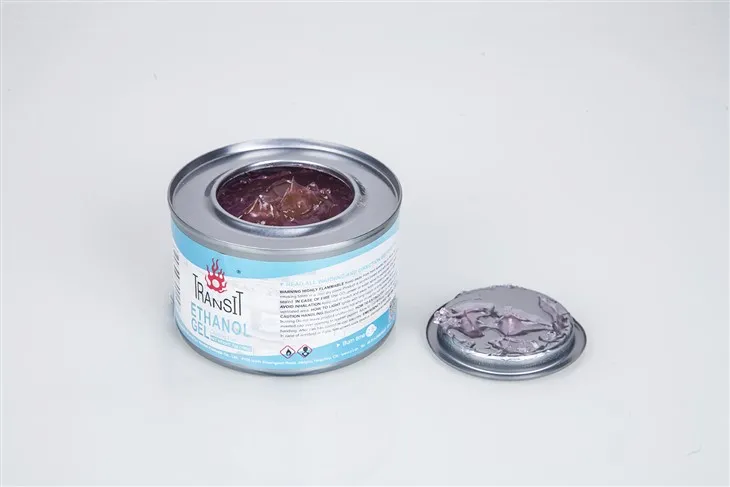
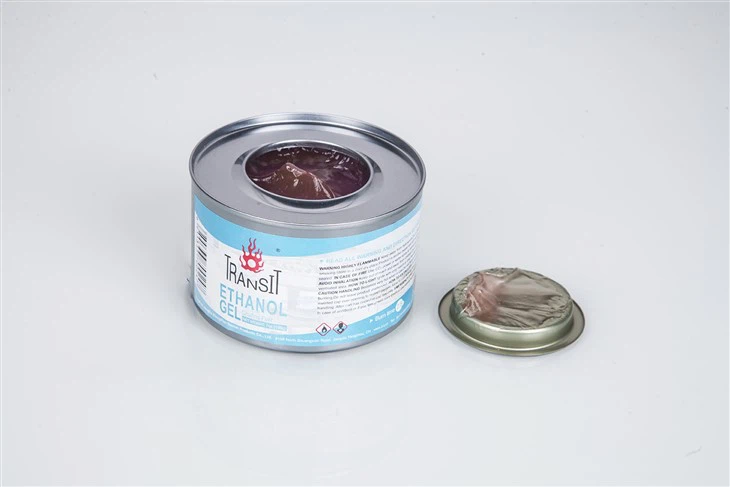
Another interesting aspect is how temperature affects the burning performance of Gel Of Bio Ethanol. At normal temperatures, it burns evenly and efficiently. The flame is nice and steady, giving off a consistent amount of heat. When it's warmer, the gel might burn a little faster. This is because the softened gel allows for better oxygen flow around the fuel, which speeds up the combustion process. In colder temperatures, the initial ignition might take a bit longer, but once it's going, it will still burn steadily.
Now, I understand that if you're considering using our Gel Of Bio Ethanol, you want to know how this temperature stability affects your specific application. If you're using it for Catering Fuel Gel, for example, different events might take place in different temperature conditions. An outdoor summer wedding in a hot climate will have different requirements than a winter catering event indoors.
For outdoor events in hot weather, you can use shallow containers to prevent the gel from getting too soft and running out. And if it's cold, make sure to have a proper heating source near the storage area to keep the gel at a workable consistency. Indoors, temperature control is usually easier, so you don't have to worry as much. But it's still a good idea to keep an eye on the temperature around the storage area.
As a supplier, we've put a lot of effort into ensuring that our Gel Of Bio Ethanol is as stable as possible across a wide range of temperatures. We've conducted numerous tests to make sure it meets our high standards, and we're constantly working on improving it.
If you're in the market for a reliable and temperature - flexible bio - ethanol gel, I'd love to talk to you. Whether you're a small business looking to switch to a more eco - friendly fuel or a large event planner in need of a consistent fuel source, we've got you covered. Contact us to discuss your needs, and we can work together to find the best solution for you.
References
- Experiments conducted independently by our product development team on the Gel Of Bio Ethanol at various temperature conditions.
- Studies on the physical and chemical properties of bio - ethanol gels in the field of alternative fuels.