

What is the ignition temperature of Handy Fuel Gel?
As a supplier of Handy Fuel Gel, I often encounter inquiries about its ignition temperature. Understanding this crucial parameter is essential for both safety and efficient use. In this blog, I'll delve into the ignition temperature of Handy Fuel Gel, exploring what it means, how it's determined, and why it matters in various applications.
What is Ignition Temperature?
Before we specifically discuss the ignition temperature of Handy Fuel Gel, let's clarify what ignition temperature actually is. Ignition temperature, also known as kindling point, is the minimum temperature at which a substance will spontaneously ignite in a normal atmosphere without the presence of a spark or flame. It's a fundamental property of any combustible material and is influenced by several factors, including the chemical composition of the substance, its physical state, and the surrounding environment.
Ignition Temperature of Handy Fuel Gel
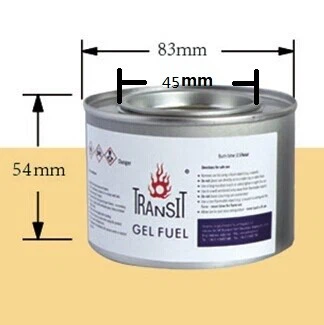
Handy Fuel Gel is a type of Canned Methanol Gel - based fuel, which is popular for its portability, clean - burning properties, and ease of use. The ignition temperature of Handy Fuel Gel typically ranges between 450°F (232°C) and 500°F (260°C). This range is relatively consistent with other similar methanol - based gel fuels on the market.
The specific ignition temperature can vary slightly depending on the exact formulation of the gel. Our research and quality control tests are conducted regularly to ensure that the ignition temperature remains within the optimal range for safe and reliable performance. The gel is formulated to ignite at a temperature that is high enough to prevent accidental ignition but low enough to be easily achieved with a common ignition source, such as a match or a lighter.
Factors Affecting the Ignition Temperature
Chemical Composition
The base ingredients of Handy Fuel Gel play a significant role in determining its ignition temperature. Methanol is the primary combustible component, and the additives used to thicken it into a gel also have an impact. These additives are carefully selected to ensure that they do not significantly increase the ignition temperature while still providing the desired gel consistency. For example, the gelling agents are chosen to be chemically stable at the normal operating temperatures of the fuel.
Physical State
The physical state of the gel can affect its ignition temperature. A well - mixed and homogeneous gel will have a more consistent ignition temperature compared to a gel that has significant variations in density or composition. Our manufacturing process is designed to ensure that each batch of Handy Fuel Gel has a uniform physical state, which helps to maintain a predictable ignition temperature.
Environmental Conditions
The surrounding environment can also influence the ignition temperature. Factors such as humidity, air pressure, and the presence of other chemicals in the air can all have an impact. In high - humidity environments, the ignition temperature may be slightly higher because the moisture in the air can absorb some of the heat energy required for ignition. Similarly, at high altitudes where the air pressure is lower, the ignition process may be affected, although the difference is usually minimal for Handy Fuel Gel.
Why the Ignition Temperature Matters
Safety
One of the most important reasons for understanding the ignition temperature of Handy Fuel Gel is safety. The relatively high ignition temperature of the gel reduces the risk of accidental ignition. It means that the fuel is less likely to catch fire due to normal environmental conditions, such as sunlight or minor heat sources. This is especially important when the fuel is being stored or transported.
Performance
The ignition temperature also affects the performance of Handy Fuel Gel. A consistent ignition temperature ensures that the fuel will ignite quickly and reliably when a proper ignition source is applied. This is crucial for applications where a rapid start - up is required, such as in camping stoves or emergency heating devices.
Applications of Handy Fuel Gel
Handy Fuel Gel has a wide range of applications due to its unique properties, including its specific ignition temperature.
Camping and Outdoor Activities
For campers and outdoor enthusiasts, Handy Fuel Gel is an ideal choice. Its portability and ease of use make it convenient for cooking and heating in the wilderness. The predictable ignition temperature means that campers can start their stoves quickly and safely, even in challenging weather conditions.
Emergency Preparedness
In emergency situations, such as power outages or natural disasters, Handy Fuel Gel can be a reliable source of heat and cooking energy. Its high ignition temperature ensures that it can be stored safely for long periods without the risk of accidental ignition, and it can be easily ignited when needed.
Industrial and Commercial Use
In some industrial and commercial settings, Handy Fuel Gel can be used as a clean - burning fuel for small - scale heating or soldering applications. The consistent ignition temperature allows for precise control of the combustion process, which is essential for these types of operations.
Comparing with Other Fuels
When compared to other types of fuels, such as Solid Fuel, Handy Fuel Gel has some distinct advantages in terms of ignition temperature. Solid fuels often have a higher ignition temperature, which can make them more difficult to start, especially in cold or wet conditions. On the other hand, liquid fuels may have a lower ignition temperature, which can increase the risk of accidental spills and fires. Handy Fuel Gel strikes a balance between these two extremes, offering a relatively easy - to - ignite option with a high level of safety.

Conclusion
In conclusion, the ignition temperature of Handy Fuel Gel is a critical characteristic that affects both its safety and performance. Ranging from 450°F (232°C) to 500°F (260°C), this temperature is carefully engineered to provide a reliable and safe ignition process. Whether you're a camper, an emergency preparedness enthusiast, or an industrial user, understanding the ignition temperature of Handy Fuel Gel can help you make the most of this versatile fuel.
If you're interested in learning more about Handy Fuel Gel or are considering a purchase for your specific needs, I encourage you to visit our product page Handy Fuel Gel. We're always ready to engage in a procurement discussion to find the best solution for your requirements. Feel free to reach out, and we'll be happy to provide you with more detailed information and assistance.
References
- "Combustion Science and Engineering" by C. T. Bowman, P. A. Hampson, and R. K. Hanson
- "Fuel Technology Handbook" edited by James G. Speight