
Are there any regulations regarding the use of 6 Hour Chafing Fuel?
If you’ve ever worked in event catering, hotel banquet services, or even run a small café that caters to occasional gatherings, you’ve definitely relied on chafing fuel to keep dishes warm during service. As someone who’s been supplying 6 Hour Chafing Fuel for over 8 years—talking to venue managers, caterers, and even freelance event planners every day—I get asked the same question a lot: “Are there any actual rules I need to follow when using this stuff?” It’s a totally fair question, too, because chafing fuel isn’t just some random household product. It’s a flammable liquid, and when you’re dealing with hundreds of people’s food safety and a crowd space that can get tight, cutting corners on regulations is a no-go.
First off, let’s be clear: not all chafing fuel is the same. The 6 Hour Chafing Fuel I supply is a liquid product, and a lot of the regulations out there tie back to the type of fuel it is. For example, we also offer Diethylene Glycol Chafing Fuel which is a common base for many liquid chafing fuels, and it’s key to note that its chemical makeup affects how it’s regulated. There’s also 4 Hour Chafing Fuel for shorter events, Handy Wick Chafing Fuel which is a solid alternative, and A Smokeless Fuel for spaces where air quality matters. Each of these has slightly different compliance checks, but the core regulations apply across the board for liquid chafing fuels used in commercial settings.
Let’s start with the most basic regulations: OSHA standards. The Occupational Safety and Health Administration doesn’t mess around with workplace flammable liquids, and chafing fuel falls right into that category. If you’re using our 6 Hour Chafing Fuel in a hotel ballroom, a wedding venue, or a restaurant back-of-house, you have to follow OSHA’s Hazard Communication Standard (HCS). That means every container of fuel has to have a clear label with the hazard class—flammable liquid, right?—plus signal words like “Danger,” hazard statements, and precautionary measures. No generic labels here; if a container doesn’t have that, you could get hit with a fine, or worse, risk a fire or explosion. Also, OSHA requires that all employees who handle chafing fuel get proper training. I’ve had a few new caterers reach out to me and say they just buy the cheapest fuel and pour it without a second thought, but that’s exactly how accidents happen. We always send a little info sheet with every bulk order, but I tell them to go through OSHA’s free online training modules to make sure their team knows what to do in case of a spill or a small fire.
Next up is fire code compliance, and this varies a bit by location, but there are national standards you have to follow. In the U.S., the National Fire Protection Association (NFPA) has NFPA 30, which covers flammable and combustible liquids, and NFPA 101, the Life Safety Code, which applies to all places where people gather—like event venues and restaurants. For 6 Hour Chafing Fuel, the key here is storage and use. If you’re storing more than, say, 5 gallons of liquid chafing fuel in a single room, you need a proper flammable liquids storage cabinet. Regular kitchen cabinets or even a closet won’t cut it because they don’t have the fire resistance to stop a fuel vapor fire. When you’re using the fuel, you can’t have any open flames nearby—no candles, no pilot lights on stoves, nothing. Also, the chafing dish itself has to be in good shape: no dented fuel cups, no cracked frames, because that can leak fuel onto the heat source and cause a flare-up. I once worked with a caterer who tried to use a chafing dish that had a rusted fuel cup, and it leaked half a gallon of our 6 Hour Chafing Fuel onto the counter. They were lucky a server didn’t bump it, but they had to get a new cup and move the fuel to a proper cabinet—all because they skipped checking their equipment against fire codes.
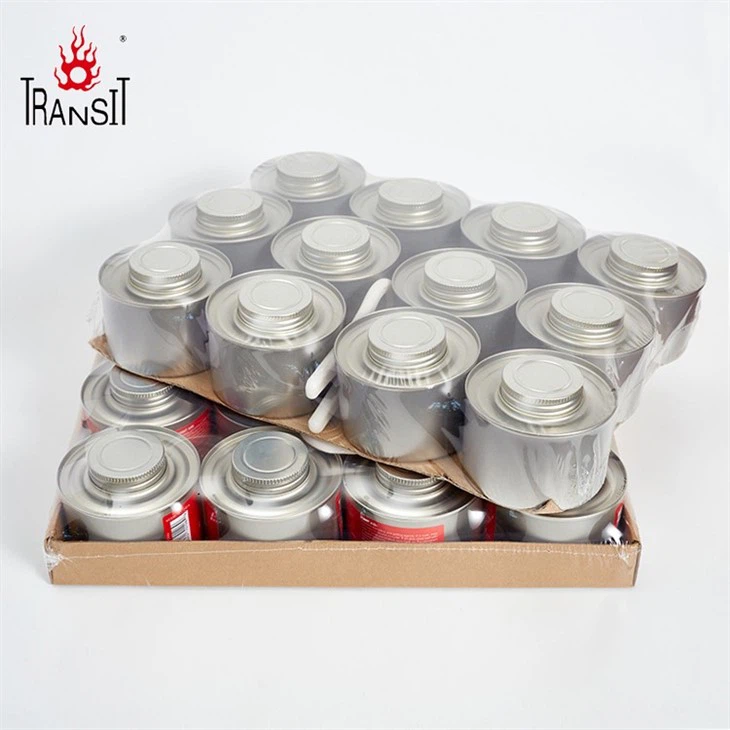

Food safety is another big one, and a lot of people don’t connect chafing fuel to this, but it’s a critical part of the regulations. The FDA’s Food Code applies to all food service establishments, and it specifically addresses equipment used to keep food warm. Chafing fuel fumes, especially from lower-quality fuels, can leave a bad taste in food—wait, no, more importantly, some fuel components are not food-safe. Our Diethylene Glycol Chafing Fuel is formulated to burn clean, so it won’t contaminate food, but if you’re using a cheap fuel that has methanol or other toxic additives, that’s a problem. The FDA requires that all chafing fuels used in food service meet certain purity standards, because when the fuel burns, any toxic fumes could get into the food. That’s why we only sell fuels that are tested to meet FDA standards, and I always tell my customers to check that too. If a fuel doesn’t have that certification, it’s not worth the risk—you could get a health inspection fail, or worse, make customers sick.
Then there’s environmental regulations, which you might not think about when you’re setting up for an event, but they matter. Spilling chafing fuel on the floor, or dumping leftover fuel down a drain, is a no-no. Chafing fuel is a petroleum-based or glycol-based product, and it can contaminate soil and water if not disposed of properly. The EPA regulates hazardous waste, and depending on the type of fuel, leftover chafing fuel might count as hazardous waste. Our 6 Hour Chafing Fuel is non-hazardous when it’s unused, but once it’s mixed with water or other contaminants, you can’t just pour it down the sink. We always tell our customers to collect leftover fuel in sealed containers and take it to a local hazardous waste disposal facility, or return unused bulk fuel to us if they have extra—we have a process for that, so they don’t have to figure it out on their own. I’ve had a few venues call me panicking after a wedding because they had 10 gallons of leftover fuel and didn’t know what to do, so it’s good to plan ahead.
Wait, let’s also talk about specific product regulations for chafing fuel, not just the use rules. In many states, there are requirements for labeling and testing of chafing fuel products. For example, California has Proposition 65, which requires that products contain chemicals that are known to cause cancer or reproductive harm to have a warning label. Some older chafing fuels had methanol, which is on Proposition 65’s list, but our fuels—including the 6 Hour Chafing Fuel and Diethylene Glycol Chafing Fuel—don’t use methanol, so they don’t need that warning. That’s a big selling point for customers in California, but it’s also a compliance thing. If you’re selling or using a fuel that doesn’t meet state-specific labeling requirements, you can get fined. I remember a customer from Texas who ordered a batch of our fuel, but they said their local fire marshal made them check the MSDS (Material Safety Data Sheet) to make sure it meets their state’s standards. The MSDS for every product we sell is available on our website, so they just pulled it up and were good to go.
A common misconception I hear is that “if it says 6 Hour Chafing Fuel, it’s the same everywhere, so the rules are the same.” That’s not entirely true. Some countries or states have stricter rules than others. For example, in the EU, chafing fuels are regulated under REACH (Registration, Evaluation, Authorization, and Restriction of Chemicals), which bans certain additives that are allowed in the U.S. But since we sell mostly in North America, I’ll stick to what I know there. One thing that’s consistent across most commercial spaces is that you can’t use chafing fuel in small, unventilated spaces. If you’re setting up chafing dishes in a closed banquet room with no windows or vents, you have to make sure the fuel is burning cleanly. That’s why many venues require smokeless fuel like A Smokeless Fuel for indoor events, because it produces less carbon monoxide and other fumes. Carbon monoxide poisoning is a real risk if you’re burning fuel in a space without proper ventilation, and OSHA has limits on how much CO can be present in a workplace, so that’s a key regulation to follow.
Let’s wrap this up with some practical tips, because no one wants to read a list of rules without knowing how to apply them. First, always buy your chafing fuel from a reputable supplier—someone who knows the regulations and sells tested, compliant products. We’ve worked with a lot of small caterers who tried to buy cheap fuel online, and they had issues with labeling or even quality. When you get your fuel, check the labels to make sure they have OSHA-compliant hazard info, and the MSDS is available. Then, store it properly: in a flammable liquids cabinet, away from heat sources, out of reach of kids or untrained staff. When using it, make sure the chafing dishes are on a stable, non-flammable surface, and never leave a burning chafing dish unattended. Dispose of leftover fuel correctly, don’t pour it down the drain.
If you’re new to using 6 Hour Chafing Fuel, or you’re planning a big event and want to make sure you’re following all the rules, don’t hesitate to reach out. I’ve been doing this long enough to help you figure out exactly what regulations apply to your specific venue and event size, whether you need a few gallons for a local café or a bulk order for a hotel chain. We also have other options if 6 Hour Chafing Fuel isn’t the right fit: 4 Hour Chafing Fuel for shorter events, Handy Wick Chafing Fuel for easier handling, and A Smokeless Fuel for indoor spaces where air quality is a concern. All of our products are tested to meet all applicable safety and food standards, so you can use them with confidence. Let’s chat about your next order, no pressure, and I can answer any questions you have about regulations or product specs.
References:
- U.S. Occupational Safety and Health Administration. (2023). Hazard Communication Standard (HCS). Retrieved from osha.gov
- National Fire Protection Association. (2022). NFPA 30: Flammable and Combustible Liquids Code.
- U.S. Food and Drug Administration. (2022). Food Code: Equipment and Utensils. Retrieved from fda.gov
- U.S. Environmental Protection Agency. (2023). Hazardous Waste Management Standards. Retrieved from epa.gov
- California Office of Environmental Health Hazard Assessment. (2023). Proposition 65 Chemicals Known to the State to Cause Cancer or Reproductive Toxicity. Retrieved from oehha.ca.gov
Previous: No Information