

How does Bio Gel Fuel compare to coal?
If you’ve ever stood near a stack of black coal at a construction site, a backyard fire pit, or even an old-fashioned home heater, you know coal has long been the backbone of how we power things—from heating buildings to cooking meals. But as the world shifts toward more sustainable energy solutions, I’ve spent years answering a question from customers, contractors, and even casual inquirers: How does bio gel fuel stack up against coal? As a bio gel fuel supplier, I’ve worked hands-on with both products, not just selling them but testing their real-world performance, safety, and environmental impact. Over the past decade, I’ve seen more businesses and homeowners move away from coal for good reason, and today I want to break down the key differences that matter most for anyone choosing an energy source.
First, let’s get clear on what each of these products is, because their core identities set the stage for every other comparison. Coal is a fossil fuel, formed over 300 million years from the buried remains of ancient plants. It’s mined from the earth, processed into various sizes (lump, bituminous, anthracite), and burns when ignited, releasing a solid ash byproduct and a long list of pollutants. Bio gel fuel, on the other hand, is a renewable energy product made primarily from organic materials—think recycled food waste, corn starch, or sugarcane residues—processed into a thick, gel-like liquid that’s 100% bio-based. Unlike coal, it’s not mined; it’s manufactured, and its entire lifecycle is tied to sustainable feedstocks.
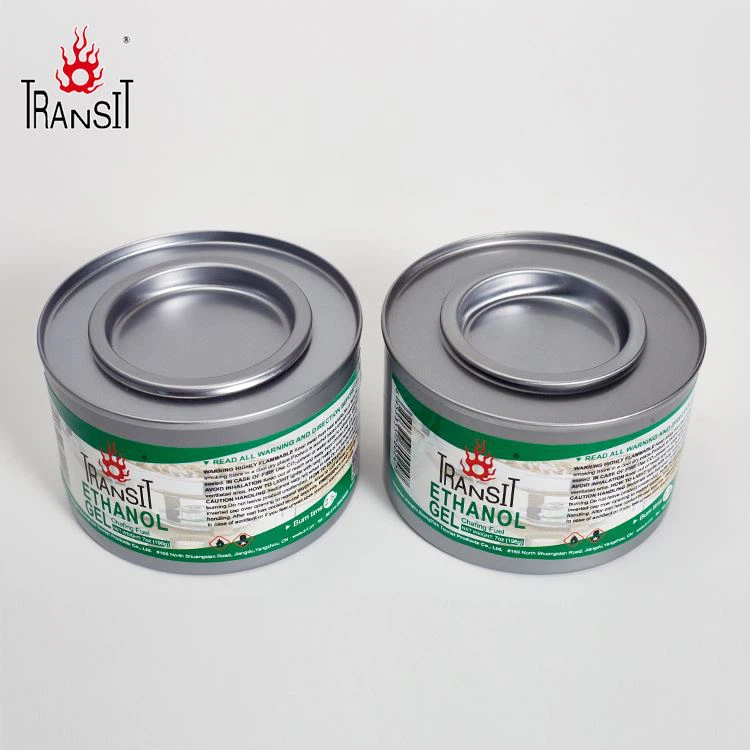
When it comes to combustion efficiency, this difference in makeup is immediately noticeable. Coal has a high energy density—meaning it packs a lot of heat per pound— but that energy comes with a catch. Most coal only burns at around 20-30% efficiency, meaning a large portion of its potential heat is lost as smoke, unused fuel, or leftover residue. For example, a typical home coal furnace might waste most of the energy produced, requiring you to buy and burn more coal to reach the same temperature as a smaller amount of a more efficient fuel. Bio gel fuel’s efficiency is much higher, hitting up to 90% in controlled applications because it burns cleaner and more steadily. I’ve seen this firsthand with our catering clients: a single can of our Canned Heat Ethanol Gel keeps a chafing dish warm for up to 6 hours, whereas a coal alternative would require frequent stoking and deliver uneven heat. For smaller, controlled uses like tabletop fire features or portable heaters, that efficiency is a game-changer—no wasting energy on smoke or partial burns.
But the biggest gap between these two fuels lies in their environmental impact, and this is where the conversation shifts from performance to responsibility. Coal is one of the largest contributors to greenhouse gas emissions globally. When burned, it releases carbon dioxide, methane, sulfur dioxide, nitrogen oxides, and even particulate matter that’s linked to asthma, heart disease, and other respiratory issues. Mining coal also destroys habitats, contaminates water supplies, and produces massive amounts of solid waste that leaches into the ground for decades. A 2022 study from the International Energy Agency (IEA) found that coal is responsible for over 30% of global carbon emissions, making it the single largest driver of climate change.
Bio gel fuel, by contrast, is carbon-neutral when sourced and produced correctly. The organic materials used to make gel absorb carbon dioxide as they grow, so when the gel burns, it releases that same amount of carbon back into the atmosphere—creating a closed loop that doesn’t add new greenhouse gases. Even better, most bio gel products like our Catering Fuel Gel or Bioethanol Fire Gel are made from waste products that would otherwise rot in landfills, releasing methane (a greenhouse gas 25 times more potent than CO2) into the air. For anyone concerned about their carbon footprint, this is a stark contrast: switching from coal to bio gel can cut emissions by 80-90% for the same application, according to a 2021 study from the European Environment Agency. And unlike coal, bio gel produces no soot, no ash, and no toxic fumes when burned—meaning no cleanup from black residue in your home, no respiratory irritation, and no harmful pollutants entering the air.
Next, let’s talk about practicality and safety, two factors that often get overlooked in energy comparisons. Coal is a solid fuel, which means it’s bulky, heavy, and requires storage space that’s dry, well-ventilated, and far from flammable materials. Storing coal also means dealing with leftover ash, which can be a fire hazard if not disposed of properly. Transporting coal is expensive, too—its weight and bulk mean higher shipping costs, especially for small-scale users like restaurants or homeowners. Bio gel fuel is a liquid gel, packaged in sealed, easy-to-handle cans that weigh a fraction of the equivalent energy from coal. Our Gel Of Bio Ethanol, for example, comes in a compact can that’s simple to store in a cabinet or pantry, no special space needed.
Safety is another critical point, especially for commercial settings like catering events or home use with children or pets. Coal burns at extremely high temperatures (up to 1,800 degrees Fahrenheit) and emits sparks and embers that can easily start fires, while bio gel fuel burns at a much lower, more controlled temperature (around 1,700 degrees Fahrenheit) and produces no embers or sparks. I’ve seen too many catering clients deal with the hassle of coal sparks damaging tablecloths or event decor, which is why so many have switched to our Chafing Dish Fuel for their events. The sealed cans of bio gel mean there’s no open solid fuel to knock over, and you can extinguish a flame instantly with a lid or a small amount of water—no waiting for a coal fire to die out. For residential users, this is a huge peace of mind; tabletop fire features with bio gel are safe for use on wooden decks, near curtains, or in small spaces where a coal fire would be a serious risk.
Cost is often the first question people ask when comparing fuels, and here the picture is a bit more nuanced, depending on how you use each product. At first glance, coal might seem cheaper per pound—anthracite coal can cost $50-$100 per ton, while bio gel might cost $2-$5 per can, with each can weighing around 12 ounces. But that’s where efficiency comes into play. Because coal is only 20-30% efficient, you need to burn 2-3 tons of coal to get the same amount of heat as 1 ton of bio gel. Add in the hidden costs: coal requires expensive furnaces or stoves with chimneys to vent toxic fumes, regular cleanup of ash and soot, and higher shipping costs because of its bulk. Bio gel doesn’t need chimneys or venting for most small applications, has no ash cleanup, and is delivered in lightweight packaging that cuts shipping costs. For small, frequent uses like catering or portable heaters, bio gel often works out to be cheaper in the long run—you buy only what you need, no waste, and no extra costs for maintenance or cleanup. For large-scale heating, coal might still seem cheaper upfront, but as more governments implement carbon taxes and regulations on fossil fuels, that gap is closing fast. Many cities now ban coal in residential areas or levy heavy taxes on coal use, making bio gel a more cost-effective, compliant choice.
Of course, no product is perfect, and bio gel fuel has limitations compared to coal. For very high-heat, large-scale applications like industrial boilers or power plants, coal still has the energy density to meet those needs at a larger scale. Bio gel isn’t designed for those uses yet, though research is underway to scale production for higher-heat applications. It also shouldn’t be confused with regular ethanol fuel, which is flammable in its liquid form; our gel formulation is thick and doesn’t pour, making it much safer to handle than liquid ethanol. Coal is also more widely available in some rural areas, where infrastructure for bio gel delivery might be less developed, though that gap is closing as demand for renewable fuels grows.
As someone who’s worked in this industry for years, I’ve seen the shift happen firsthand. Ten years ago, most of my customers were looking for cheap fuel to heat their homes or run small businesses, and coal was the default. Today, more and more people are asking about sustainable options, and bio gel has emerged as a clear alternative for many use cases. The key is matching the fuel to the application: if you need heat for a small catering event, a tabletop fire, or a portable heater, bio gel is far safer, cleaner, and more efficient than coal. If you need large-scale heat for industrial use, coal might still be a solution—but even there, the tide is turning.
For anyone looking to make the switch from coal to a more sustainable, practical fuel, it’s important to do your research and choose a reputable supplier. Not all bio gel products are the same: some are made from non-sustainable feedstocks, while others like our full line of bioethanol gels are made from 100% recycled organic materials, tested for safety and efficiency. Whether you’re a restaurant owner tired of the soot and hassle of coal for chafing dishes, a homeowner looking for a safe fire feature for your backyard, or a business owner wanting to reduce their carbon footprint, bio gel offers a compelling alternative.
If you’re ready to explore how bio gel fuel can work for your needs, reach out to our team to discuss your specific use case, request product samples, or learn more about our catering fuels, canned heat options, fire gels, and more. We’re here to help you make the switch smoothly, with solutions that are safe, affordable, and environmentally responsible.
References:

- International Energy Agency. (2022). Global Coal Report 2022: Analysis and forecast to 2025.
- European Environment Agency. (2021). Biofuels and Greenhouse Gas Emissions: Lifecycle Analysis for Transport and Energy.
- U.S. Environmental Protection Agency. (2020). Coal Combustion Residuals: Impacts on Water and Air Quality.
- Food and Agriculture Organization of the United Nations. (2021). Sustainable Bioenergy from Organic Waste: Global Potential and Best Practices.