

Can Bio Gel Fuel be used in dryers?
As a supplier of Bio Gel Fuel, I've been constantly asked about the various applications of our product. One question that has popped up frequently is: Can Bio Gel Fuel be used in dryers? This blog post aims to delve into this topic, analyzing the technical aspects, safety concerns, and practicality of using Bio Gel Fuel in dryers.
Understanding Bio Gel Fuel
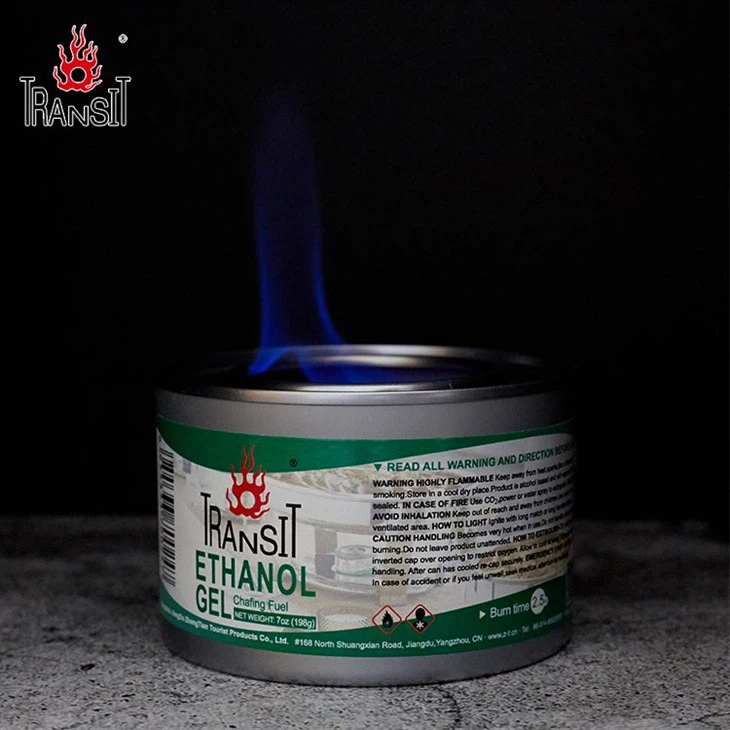
Before we discuss its use in dryers, let's first understand what Bio Gel Fuel is. Bio Gel Fuel is a type of Bio Gel Fuel that is made from renewable resources, typically bioethanol. It comes in a gel form, which makes it easier to handle and store compared to liquid fuels. The gel structure also provides a more controlled and stable burn, releasing heat gradually.
The main advantages of Bio Gel Fuel include its environmental friendliness, as it produces fewer emissions compared to traditional fossil fuels. It is also non - toxic and biodegradable, making it a safer option for both human health and the environment. Another benefit is its high energy density, which means it can produce a significant amount of heat per unit volume.
How Dryers Work
Dryers, whether they are clothes dryers or industrial dryers, work on the principle of using heat to evaporate moisture from the material being dried. In a typical clothes dryer, hot air is circulated through the drum where the wet clothes are placed. The heat from the air causes the water in the clothes to turn into vapor, which is then vented out of the dryer.
Industrial dryers are more complex and are used for drying a wide range of materials such as grains, chemicals, and wood. They often have larger heating systems and more precise temperature control mechanisms. The heat source for dryers can be electricity, natural gas, or propane.

Technical Feasibility of Using Bio Gel Fuel in Dryers
From a technical perspective, Bio Gel Fuel has the potential to be used in dryers. The high energy density of Bio Gel Fuel means that it can generate enough heat to evaporate moisture effectively. When burned, Bio Gel Fuel releases a substantial amount of thermal energy, which can be transferred to the air inside the dryer.
However, there are some technical challenges that need to be addressed. One of the main issues is the design of the burner. Traditional dryers are designed to work with specific types of fuels, such as natural gas or electricity. Adapting a dryer to use Bio Gel Fuel would require a custom - designed burner that can handle the gel form of the fuel. The burner would need to ensure a consistent and efficient combustion of the Bio Gel Fuel to maintain a stable temperature inside the dryer.
Another technical consideration is the heat transfer mechanism. In a dryer, the heat needs to be transferred from the burner to the air and then to the material being dried. Bio Gel Fuel burns differently from traditional fuels, and the heat transfer characteristics may be different. This could potentially affect the drying efficiency and the quality of the dried product.
Safety Considerations
Safety is a crucial factor when considering using Bio Gel Fuel in dryers. Bio Gel Fuel is generally considered safe to use, but there are still some risks associated with its combustion. One of the main safety concerns is the risk of fire. Since Bio Gel Fuel is flammable, proper precautions need to be taken to prevent accidental ignition.
In a dryer environment, there is also the risk of fuel spillage. If Bio Gel Fuel spills inside the dryer, it could create a fire hazard. Therefore, the dryer would need to be designed with appropriate containment and spill - prevention measures.
Another safety aspect is the emission of combustion by - products. Although Bio Gel Fuel produces fewer emissions compared to fossil fuels, it still releases some carbon dioxide and other gases during combustion. Adequate ventilation would be required to ensure that these gases are safely vented out of the dryer and the surrounding area.
Practicality and Cost - Effectiveness
In terms of practicality, using Bio Gel Fuel in dryers may have some advantages. For users who are looking for a more environmentally friendly alternative to traditional fuels, Bio Gel Fuel could be an attractive option. It is also readily available and can be stored easily in its gel form.
However, the cost - effectiveness of using Bio Gel Fuel in dryers needs to be carefully evaluated. The initial cost of adapting a dryer to use Bio Gel Fuel, including the cost of the custom - designed burner, may be relatively high. Additionally, the cost of Bio Gel Fuel itself needs to be compared with the cost of traditional fuels such as natural gas or electricity. If the cost of Bio Gel Fuel is significantly higher, it may not be a cost - effective option for long - term use.
Other Bio Gel Fuel Products
In addition to Bio Gel Fuel, our company also offers Canned Heat Ethanol Gel and Alcohol Gel Fuel. These products have similar properties to Bio Gel Fuel and can also be considered for use in dryers. Canned Heat Ethanol Gel is convenient for small - scale applications, while Alcohol Gel Fuel is known for its clean - burning characteristics.
Conclusion
In conclusion, while it is technically possible to use Bio Gel Fuel in dryers, there are several challenges that need to be overcome, including technical design, safety, and cost - effectiveness. With the right engineering solutions and proper safety measures, Bio Gel Fuel could potentially be a viable alternative to traditional fuels in dryers.
If you are interested in exploring the use of Bio Gel Fuel in your dryers or have any questions about our products, we encourage you to reach out to us. We are always ready to have in - depth discussions about the potential applications of our Bio Gel Fuel and other related products. Let's work together to find the best solutions for your drying needs.
References
- "Bioethanol and Its Blends as Alternative Fuels for Internal Combustion Engines" - A research paper on the properties and applications of bioethanol - based fuels.
- "Principles of Drying Technology" - A textbook that provides an in - depth understanding of how dryers work and the factors affecting drying efficiency.