

Is wood a good fireplace fuel?
Is Wood a Good Fireplace Fuel?
As a supplier of fireplace fuels, I've had the privilege of witnessing the diverse preferences and needs of customers when it comes to heating their homes and creating a warm, inviting atmosphere. One of the most traditional and widely debated fireplace fuels is wood. In this blog post, I'll explore the various aspects of using wood as a fireplace fuel, weighing its pros and cons to help you determine if it's the right choice for you.
Advantages of Using Wood as a Fireplace Fuel
1. Aesthetic Appeal
There's no denying the charm and ambiance that a wood - burning fireplace brings to a room. The crackling sound of the burning logs, the dancing flames, and the warm glow create a cozy and inviting atmosphere that is hard to replicate with other fuels. The sight of a wood fire can be a focal point in a living room, making it a perfect setting for relaxation, socializing, or simply enjoying a quiet evening at home.
2. Renewable and Sustainable
Wood is a renewable resource. When sourced responsibly from well - managed forests, it can be a sustainable option for heating. Trees absorb carbon dioxide from the atmosphere as they grow, and when burned, they release the same amount of carbon dioxide back into the air. As long as new trees are planted to replace the ones that are harvested, the carbon cycle remains balanced. This makes wood a more environmentally friendly choice compared to some non - renewable fossil fuels.

3. Cost - Effectiveness
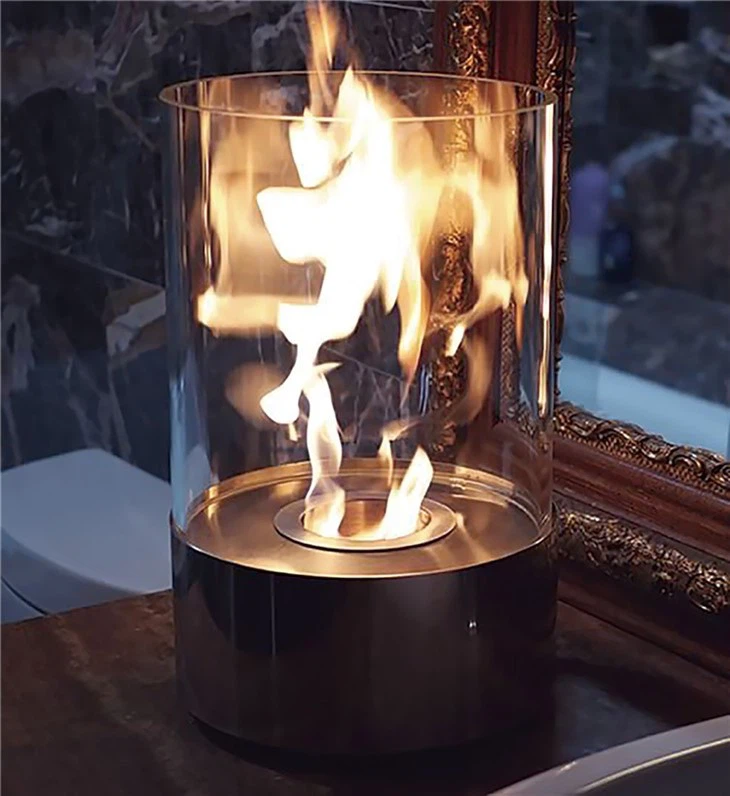
In many regions, wood can be a cost - effective fireplace fuel. If you have access to a local source of firewood, either by cutting it yourself or purchasing it in bulk, it can be significantly cheaper than some other fuels. For example, compared to Fireplace Fuel Ethanol, which often comes at a higher price per unit of energy, wood can provide a more budget - friendly heating solution in the long run.
4. High Heat Output
Well - seasoned wood can produce a substantial amount of heat. Hardwoods like oak, maple, and hickory are known for their high energy density and long - burning properties. When properly burned, they can keep a room warm for an extended period, making them ideal for cold winter nights.
Disadvantages of Using Wood as a Fireplace Fuel
1. Maintenance and Mess
Using wood as a fireplace fuel requires a significant amount of maintenance. You need to have a proper storage area for the firewood to keep it dry and seasoned. Additionally, ashes need to be regularly removed from the fireplace, and the chimney must be cleaned at least once a year to prevent the buildup of creosote, which can be a fire hazard. The process of cleaning up after a wood fire can be messy, as there may be wood chips, ash, and soot to deal with.
2. Environmental Concerns
While wood is a renewable resource, its combustion is not entirely without environmental impact. Burning wood releases particulate matter, carbon monoxide, and other pollutants into the air. In areas with poor air quality or strict air pollution regulations, burning wood can contribute to smog and other air quality issues. This is especially true if the wood is not properly seasoned or if the fireplace is not properly ventilated.
3. Inconvenience
Using wood as a fuel requires a certain level of effort and planning. You need to ensure that you have a sufficient supply of firewood on hand, and starting a wood fire can be a bit of a challenge, especially for those who are not experienced. You need to arrange the logs properly, use kindling, and often use a fire starter to get the fire going. This can be inconvenient, especially if you want to quickly start a fire on a cold day.
4. Risk of Fire Hazards
A wood - burning fireplace poses a higher risk of fire hazards compared to some other types of fireplaces. If the chimney is not properly maintained, creosote buildup can cause chimney fires. Additionally, flying embers from the wood fire can pose a risk of starting a fire inside or outside the home if proper precautions are not taken.
Comparison with Other Fireplace Fuels
1. Comparison with Firepot Fuel Gel Home Depot
Firepot fuel gel is a convenient and clean - burning alternative to wood. It comes in pre - measured containers, making it easy to use and transport. Unlike wood, it produces very little ash and does not require chimney cleaning. However, it may not provide the same level of heat output or aesthetic appeal as a wood fire.
2. Comparison with Open Fire Smokeless Fuel
Open fire smokeless fuel is designed to produce less smoke and pollutants compared to traditional wood. It burns more efficiently and can provide a consistent heat output. While it may lack the natural charm of a wood fire, it is a good option for those who are concerned about air quality and want a cleaner - burning fuel.
Is Wood the Right Choice for You?
Whether wood is a good fireplace fuel for you depends on your individual preferences and circumstances. If you value the aesthetic appeal, cost - effectiveness, and high heat output of a wood fire, and are willing to put in the effort for maintenance and deal with the potential environmental and safety concerns, then wood may be a great choice.
However, if you prefer a more convenient, clean - burning, and low - maintenance option, you may want to consider alternative fuels like Fireplace Fuel Ethanol, Firepot Fuel Gel Home Depot, or Open Fire Smokeless Fuel.
As a fireplace fuel supplier, I'm here to help you make an informed decision. If you're interested in purchasing wood or exploring other fuel options, feel free to reach out to discuss your specific needs and requirements. I can provide you with detailed information on the quality, price, and availability of different fuels.
References
- "Heating with Wood: A Guide to Choosing the Right Fireplace and Fuel", U.S. Department of Energy
- "Environmental Impacts of Wood Burning", Environmental Protection Agency
- "Fireplace Fuel Comparison: Which Is Best for You?", Home Heating Magazine