

Can catering fuel gel be transported easily?
As a supplier of Catering Fuel Gel, I've often been asked about the ease of transporting our product. This is a crucial question for both us as suppliers and our customers in the catering industry. In this blog, I'll delve into the various aspects of transporting catering fuel gel, including regulations, safety measures, and practical considerations.
Understanding Catering Fuel Gel
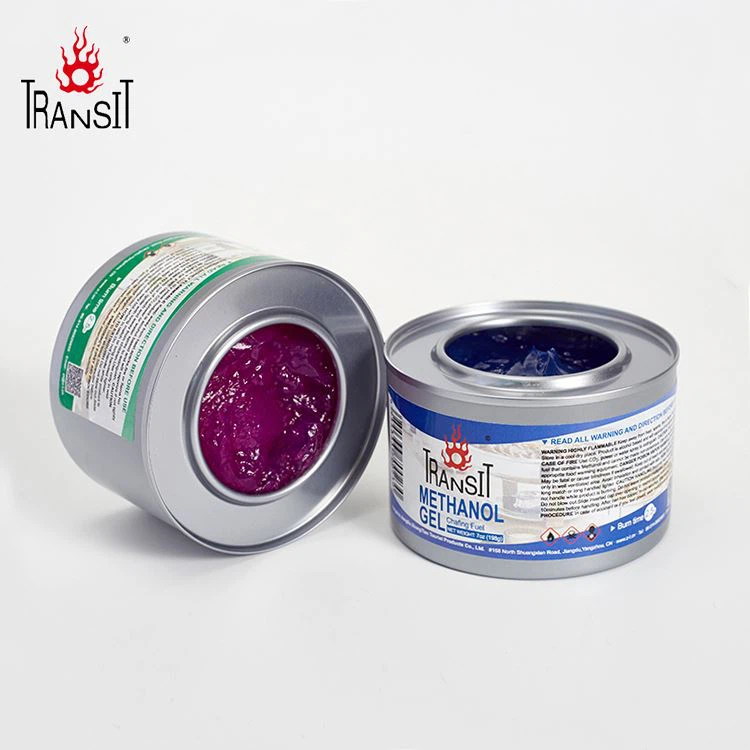
Before discussing transportation, it's essential to understand what catering fuel gel is. Catering fuel gel, such as Gel Chafing Fuel, Eco Smokeless Fuel, and Buffet Fuel, is a popular choice in the catering industry. It provides a clean, efficient, and long - lasting source of heat for keeping food warm during events, buffets, and other catering services. These gels are typically made from bioethanol or other combustible substances, which are formulated to have a gel - like consistency. This consistency makes them safer to use compared to liquid fuels as they are less likely to spill.
Regulatory Requirements
Transporting catering fuel gel is subject to a variety of regulations. These regulations are in place to ensure the safety of the public, the environment, and the transportation workers. In most countries, catering fuel gel is classified as a hazardous material due to its flammable nature.
The International Maritime Dangerous Goods (IMDG) Code regulates the transportation of hazardous materials by sea. If you're shipping catering fuel gel overseas, you must comply with these regulations. This includes proper packaging, labeling, and documentation. The packaging must be designed to prevent leakage and withstand the rigors of transportation. Labels should clearly indicate the nature of the product, including warnings about its flammability.
On land, the Department of Transportation (DOT) in the United States and similar regulatory bodies in other countries have strict rules for transporting hazardous materials. Trucks and other vehicles used for transportation must be properly equipped with safety features such as fire extinguishers and spill - containment systems. Drivers must also be trained in handling hazardous materials and be aware of the emergency procedures in case of an accident.
Packaging for Safe Transport
Proper packaging is key to ensuring the safe transportation of catering fuel gel. The packaging must be able to prevent any leakage or spillage during transit. Most catering fuel gel products are packaged in sturdy, sealed containers. These containers are often made of materials that can withstand impact and temperature changes.
For small - scale transportation, individual containers are usually placed in larger, protective outer packaging. This outer packaging can provide an additional layer of protection in case the inner container is damaged. For larger shipments, bulk containers may be used. These bulk containers are designed to be more efficient for transportation but still need to meet strict safety standards.
The packaging should also be labeled correctly. Labels should include information such as the product name, its flammable nature, and any handling instructions. This helps transportation workers and emergency responders to quickly identify the product and take appropriate action if necessary.
Temperature and Storage Considerations
Temperature can have a significant impact on the stability of catering fuel gel during transportation. Extreme heat can cause the gel to expand, which may lead to container rupture or leakage. On the other hand, extremely cold temperatures can cause the gel to become more viscous or even solidify, which can also affect the integrity of the container.
During transportation, it's important to ensure that the product is stored in a temperature - controlled environment as much as possible. For long - distance shipments, refrigerated trucks or containers may be used to maintain a stable temperature. In addition, the storage area should be well - ventilated to prevent the build - up of flammable vapors.

Safety Measures During Transport
Safety is of utmost importance when transporting catering fuel gel. Transportation companies should have strict safety protocols in place. Drivers should be trained to handle the product safely and be aware of the emergency procedures in case of a spill or fire.
In case of an accident, the transportation vehicle should be equipped with emergency response equipment. This includes fire extinguishers, spill - containment kits, and personal protective equipment (PPE) for the driver. The driver should also know how to contact the appropriate emergency services and provide them with accurate information about the product being transported.
Ease of Transport for Different Scales
The ease of transporting catering fuel gel can vary depending on the scale of the shipment. For small - scale orders, such as those for local catering businesses, the transportation process can be relatively straightforward. Local delivery services can often handle these shipments, and as long as the product is properly packaged and labeled, there are usually fewer regulatory hurdles.
However, for large - scale shipments, such as those for international distribution, the process becomes more complex. There are more regulations to comply with, and the logistics of coordinating the transportation can be challenging. But with proper planning and compliance, large - scale transportation can still be carried out safely and efficiently.
Cost Considerations
The cost of transporting catering fuel gel can be a significant factor. The cost is influenced by several factors, including the distance of transportation, the volume of the shipment, and the regulatory requirements.
Shipping overseas can be more expensive due to the additional documentation and compliance costs. The cost of packaging also adds to the overall expense. However, as a supplier, we try to optimize the transportation process to keep the costs down for our customers. This may involve consolidating shipments, choosing the most cost - effective transportation methods, and negotiating favorable rates with transportation providers.
Conclusion
In conclusion, while transporting catering fuel gel is not without its challenges, it is possible to do so safely and efficiently. By complying with regulations, using proper packaging, and implementing strict safety measures, we can ensure that our product reaches our customers in good condition.
If you're in the catering industry and are interested in purchasing our high - quality catering fuel gel products, I encourage you to contact us for a detailed discussion. We can provide you with more information about our products, the transportation process, and how we can meet your specific needs. Whether you're a small local caterer or a large - scale event organizer, we're here to support you with reliable and cost - effective catering fuel gel solutions.
References
- International Maritime Dangerous Goods (IMDG) Code
- Department of Transportation (DOT) regulations
- Industry reports on the transportation of hazardous materials