

Can I make bioethanol gel at home?
Hey there! As a bioethanol gel supplier, I often get asked if it's possible to make bioethanol gel at home. Well, let's dive right into this topic and see what's what.
First off, let's understand what bioethanol gel is. Bioethanol gel is a clean - burning fuel source that's used in various applications, like for eco - friendly fires, buffet warmers, and more. It's made from bioethanol, which is an alcohol produced from the fermentation of sugars and starches found in plants like corn, sugarcane, or wheat.
The appeal of making bioethanol gel at home might seem strong. You could potentially save some money, and there's a certain satisfaction in creating something with your own two hands. But there are a few things you need to know before you start mixing up your own batch.
The Ingredients
To make bioethanol gel, you'll need a few key ingredients. The main one, of course, is bioethanol. You can usually find denatured alcohol, which is a form of bioethanol, at hardware stores. It's important to use denatured alcohol because it has additives that make it unfit for consumption, which is a safety measure.
The other crucial ingredient is a gelling agent. One commonly used gelling agent is sodium acetate. When you mix sodium acetate with bioethanol, it causes the liquid bioethanol to turn into a gel. But here's the catch: getting the right proportions is super important. If you don't get it right, the gel might not form properly, or it could be too runny or too thick.
The Process
Making bioethanol gel at home is not a walk in the park. First, you need to heat the gelling agent in a small amount of water until it dissolves completely. This step requires careful monitoring because you don't want the mixture to overheat or boil over.
Once the gelling agent is dissolved, you slowly add the bioethanol to the solution. You have to do this slowly and stir constantly to ensure an even mixture. As you add the bioethanol, you'll start to see the gel forming. But again, the proportions matter. If you add too much bioethanol, the gel won't set, and if you add too little, it'll be too thick and might not burn properly.
Safety Concerns
Now, let's talk about safety. Bioethanol is a flammable substance, and working with it at home can be dangerous. Heating the gelling agent and mixing it with bioethanol requires an open flame in some cases, which increases the risk of fire. There's also the risk of inhaling the fumes, which can be harmful if you're not in a well - ventilated area.
If you're not careful during the mixing process, you could end up with a poorly made gel that burns unevenly or releases more fumes than normal. And let's not forget about storing the bioethanol gel. You need to store it in a cool, dry place away from any sources of heat or flame. If you store it improperly, there's a risk of the gel catching fire or exploding.
Quality and Consistency
Even if you manage to make bioethanol gel at home without any safety issues, the quality and consistency might not be up to par. As a supplier, I know that commercial bioethanol gel is produced under strict quality control measures. We test the gel to ensure that it burns cleanly, has the right consistency, and produces the right amount of heat.
When you make it at home, it's hard to replicate these standards. The gel might burn too fast or too slow, or it might not produce enough heat for your needs. For example, if you're using it for a buffet warmer, an inconsistent gel could mean that your food doesn't stay warm enough.
The Commercial Alternatives
There are some great commercial bioethanol gel products out there. For example, Eco Smokeless Fuel is a popular choice. It's designed to burn cleanly and without smoke, which is perfect for indoor use. It also has a consistent burn rate, so you can rely on it to keep your fire or warmer going for a set amount of time.
Another option is Buffet Fuel. As the name suggests, it's specifically formulated for buffet warmers. It provides a steady source of heat to keep your food at the right temperature throughout your event.
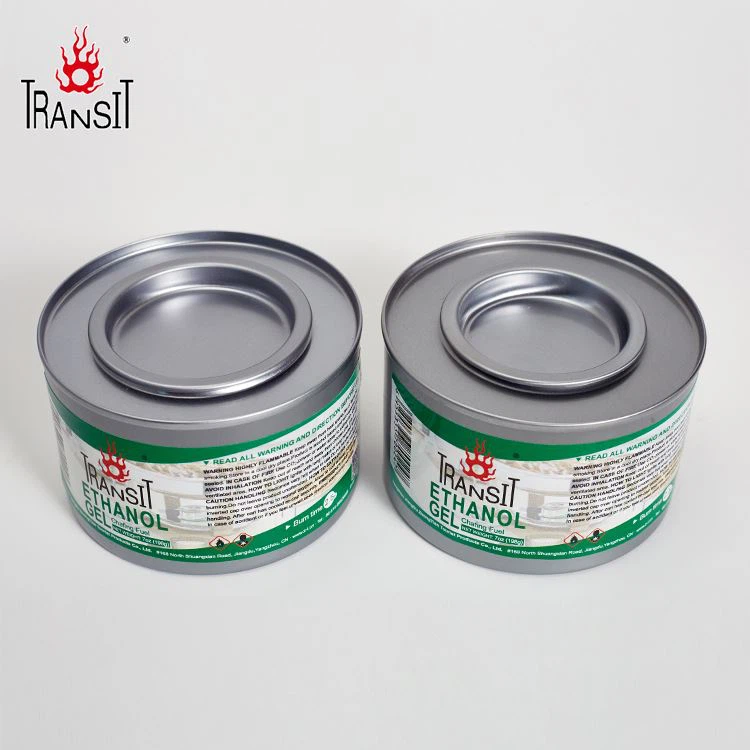
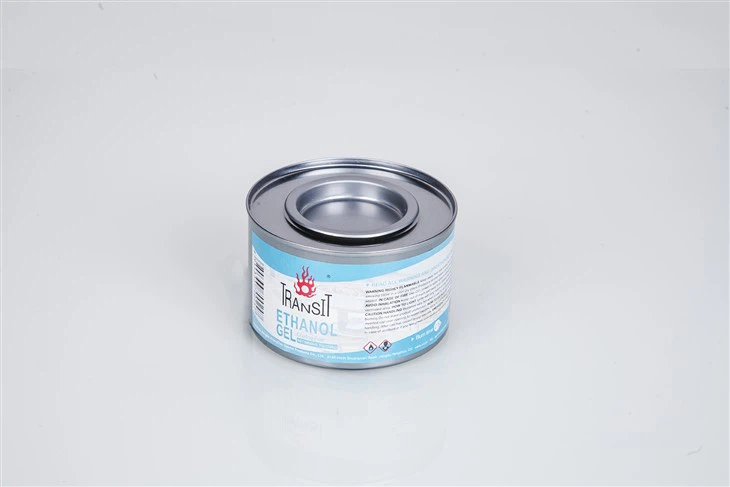
And if you're looking for a bioethanol gel for your fireplace, Bioethanol Fire Gel is a great choice. It creates a beautiful, flickering flame that looks just like a traditional wood fire, but without the mess and hassle of dealing with wood.
Why Choose Commercial Bioethanol Gel?
Commercial bioethanol gel offers a lot of advantages. First of all, it's convenient. You don't have to go through the hassle of gathering ingredients and following a complicated process. You can simply order it online or pick it up at a store and start using it right away.
Secondly, it's safe. Commercial products are tested and regulated to ensure that they meet safety standards. You don't have to worry about the risks associated with making it at home, like fire hazards or inhaling harmful fumes.
Finally, it's reliable. You can count on commercial bioethanol gel to perform consistently. Whether you're using it for a small home fire or a large buffet event, you know that it'll do the job.
Conclusion
So, can you make bioethanol gel at home? Technically, yes. But is it a good idea? In most cases, probably not. The risks, the difficulty of getting the right proportions, and the inconsistent quality make it a less than ideal option.
If you're in the market for bioethanol gel, I highly recommend checking out the commercial options available. They offer a safer, more convenient, and more reliable solution. And if you have any questions about which product is right for you, or if you're interested in purchasing in bulk for your business, feel free to reach out. I'm here to help you find the perfect bioethanol gel for your needs.
References
- "Bioethanol: Production and Utilization" by National Renewable Energy Laboratory
- "Safety Guidelines for Working with Flammable Liquids" by Occupational Safety and Health Administration