

Can I use chafing dish fuel for a chafing dish with a cast - iron frame?
When it comes to using chafing dish fuel for a chafing dish with a cast - iron frame, there are several factors to consider. As a chafing dish fuel supplier, I've encountered numerous questions from customers regarding the compatibility and safety of using our products with different types of chafing dishes, especially those with cast - iron frames.
Compatibility of Chafing Dish Fuel with Cast - Iron Frames
First and foremost, we need to understand the nature of cast - iron frames. Cast iron is a durable and heat - retaining material. It can withstand high temperatures without warping easily, which makes it a popular choice for chafing dish frames. However, not all chafing dish fuels are created equal, and their interaction with cast - iron frames can vary.
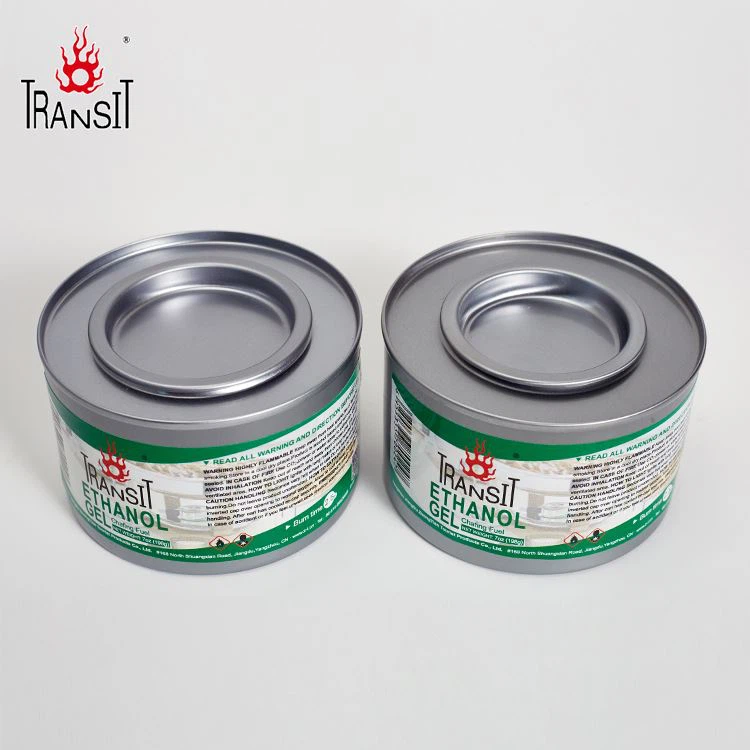
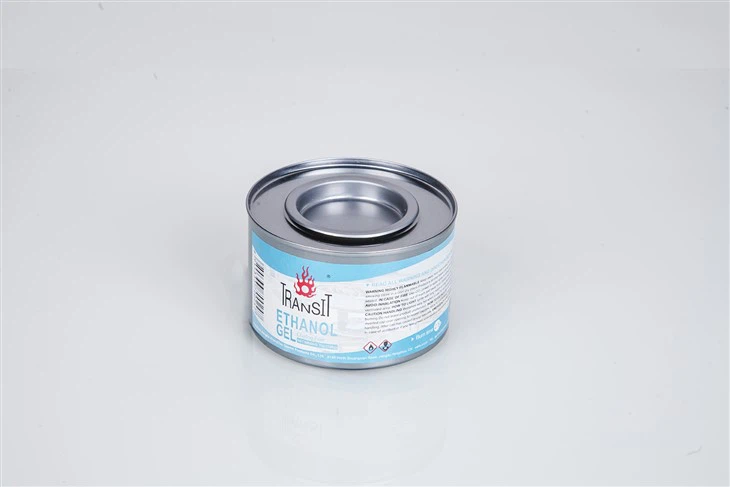
There are different types of chafing dish fuels available in the market, such as Gel Chafing Fuel, Bioethanol Fire Gel, and Buffet Fuel. Each type has its own characteristics and performance when used with a cast - iron frame.
Gel Chafing Fuel
Gel chafing fuel is a popular choice for many users. It burns cleanly and steadily, providing a consistent heat source. When used with a cast - iron frame, the gel fuel's relatively low - intensity heat can be well - tolerated by the cast iron. The slow - burning nature of the gel fuel also means that the cast - iron frame won't experience sudden temperature shocks. This is important because rapid temperature changes can cause cast iron to crack over time. The gel's sticky consistency keeps it in place within the fuel burner, reducing the risk of spills that could potentially damage the cast - iron frame.
Bioethanol Fire Gel
Bioethanol fire gel is another option. It is an eco - friendly alternative as it is made from renewable resources. When burned, it produces a bright flame and a good amount of heat. The heat output of bioethanol fire gel is generally higher than that of gel chafing fuel. A cast - iron frame can handle this heat, but it's important to ensure proper ventilation. The cast iron will absorb and radiate the heat, and if there is insufficient ventilation, the temperature around the frame can rise significantly. This may not only be a safety hazard but could also cause the cast iron to discolor or develop a patina more quickly.
Buffet Fuel
Buffet fuel is designed to provide long - lasting heat, which is ideal for extended buffet service. When used with a cast - iron frame, the long - burning time can be an advantage as the cast iron can maintain a relatively stable temperature. However, buffet fuel may burn at a higher temperature compared to gel chafing fuel. This means that the cast - iron frame needs to be of good quality and properly seasoned. A well - seasoned cast - iron frame has a protective layer that can prevent rusting and also handle the heat better.
Safety Considerations
Safety is of utmost importance when using chafing dish fuel with a cast - iron frame. Here are some key safety points to keep in mind:
Ventilation
As mentioned earlier, proper ventilation is crucial, especially when using fuels that produce high heat. A lack of ventilation can lead to the accumulation of carbon monoxide, which is a colorless and odorless gas that can be extremely dangerous. When using a chafing dish with a cast - iron frame indoors, make sure there is adequate air circulation. This can be achieved by opening windows or using exhaust fans.
Placement
The chafing dish should be placed on a stable and heat - resistant surface. A cast - iron frame can get very hot during use, and placing it on a flammable or heat - sensitive surface can pose a fire risk. Additionally, the dish should be placed away from any flammable materials such as curtains, tablecloths, or paper products.
Handling the Fuel
When handling the chafing dish fuel, always follow the manufacturer's instructions. Do not overfill the fuel burner, as this can lead to spills and potentially cause a fire. Also, make sure to extinguish the fuel properly after use. Most fuels come with specific instructions on how to extinguish them safely.
Inspection of the Cast - Iron Frame
Regularly inspect the cast - iron frame for any signs of damage, such as cracks or rust. A damaged frame can compromise the safety of the chafing dish and may also affect the performance of the fuel. If any damage is detected, the frame should be repaired or replaced before using the chafing dish again.
Performance and Efficiency
The performance and efficiency of using chafing dish fuel with a cast - iron frame are also important aspects to consider.
Heat Retention
One of the advantages of using a cast - iron frame is its excellent heat - retention properties. The cast iron will absorb the heat from the fuel and radiate it slowly over time. This means that the food in the chafing dish will stay warm for a longer period, even after the fuel has burned out. For example, if you're using a gel chafing fuel that burns for a couple of hours, the cast - iron frame will continue to keep the food warm for an additional period, reducing the need for frequent refueling.
Heat Distribution
A cast - iron frame can help distribute the heat evenly across the chafing dish. This is beneficial for ensuring that all the food in the dish is heated uniformly. Whether you're serving a large buffet or a small family meal, even heat distribution is essential for maintaining the quality of the food.
Long - Term Effects on the Cast - Iron Frame
Using chafing dish fuel with a cast - iron frame over a long period can have some effects on the frame.
Rusting
Rust is a common issue with cast iron. Although a well - seasoned cast - iron frame has some resistance to rust, the presence of moisture from the fuel's combustion process can still cause rusting over time. To prevent rust, it's important to dry the cast - iron frame thoroughly after each use. You can also apply a thin layer of oil to the frame to create a protective barrier.
Patina Formation
A patina is a thin layer that forms on the surface of the cast iron over time due to oxidation and the interaction with food and heat. While some people consider a patina to be a desirable characteristic as it gives the cast iron a unique look, excessive patina formation can affect the appearance and performance of the frame. Regular cleaning and maintenance can help control the patina formation.
Conclusion
In conclusion, it is generally safe and feasible to use chafing dish fuel for a chafing dish with a cast - iron frame. Whether you choose gel chafing fuel, bioethanol fire gel, or buffet fuel, each has its own advantages and considerations when used with a cast - iron frame. Safety should always be the top priority, and proper ventilation, placement, and handling of the fuel are essential. The performance and long - term effects on the cast - iron frame can be managed through regular inspection and maintenance.
If you're interested in purchasing high - quality chafing dish fuel for your cast - iron framed chafing dishes, we're here to assist you. Our products are carefully formulated to provide optimal performance and safety. We welcome you to contact us for more information and to discuss your specific needs. We can offer guidance on the best type of fuel for your situation and ensure that you have a great experience using our chafing dish fuels.
References
- "Chafing Dish Fuel: A Comprehensive Guide" - Industry Report
- "Properties and Maintenance of Cast Iron" - Metalworking Journal
- "Safety Standards for Chafing Dish Use" - Consumer Safety Manual