

Are there any health risks associated with using bioethanol fire gel?
Bioethanol fire gel has gained significant popularity in recent years as a convenient and eco - friendly alternative to traditional fire sources. As a supplier of Bioethanol Fire Gel, I am often asked about the potential health risks associated with its use. In this blog, we will explore the scientific aspects of bioethanol fire gel and determine if there are any real health concerns.
Understanding Bioethanol Fire Gel
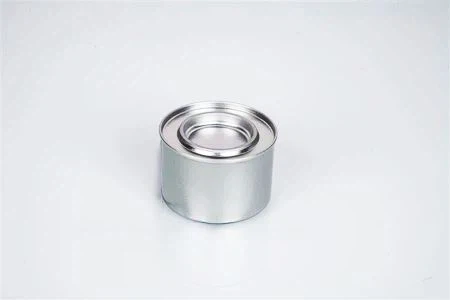
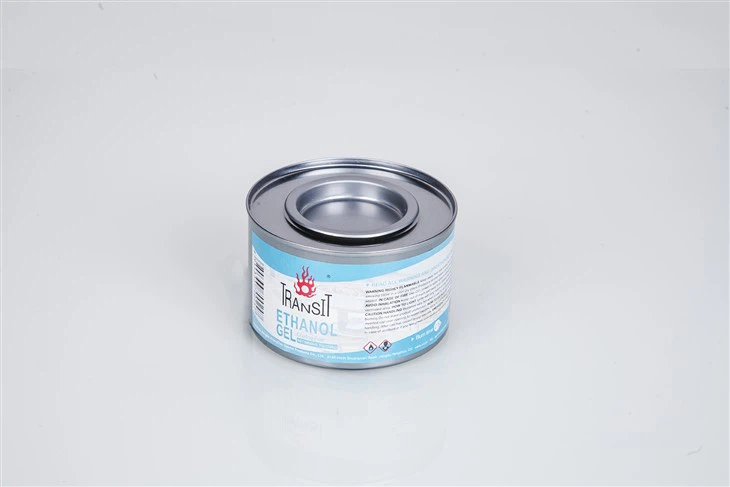
Bioethanol fire gel is a fuel source made from bioethanol, which is an alcohol produced through the fermentation of sugars and starches found in plants such as corn, sugarcane, or wheat. The gel form is created by adding thickening agents to the bioethanol, which helps to control the burning process and makes it easier to handle.
One of the main advantages of bioethanol fire gel is its clean - burning nature. When burned, bioethanol produces mainly carbon dioxide and water vapor, similar to the by - products of human respiration. This makes it a more environmentally friendly option compared to fossil fuels like coal, oil, or gas, which release large amounts of pollutants such as sulfur dioxide, nitrogen oxides, and particulate matter.
Potential Health Risks
Indoor Air Quality
One of the primary concerns when using any fuel source indoors is its impact on indoor air quality. While bioethanol fire gel is generally considered a clean - burning fuel, it still produces some carbon dioxide (CO₂) when burned. In a well - ventilated area, the amount of CO₂ produced is usually not a problem. However, in a small, enclosed space with poor ventilation, the concentration of CO₂ can increase to levels that may cause discomfort or health issues.
Exposure to high levels of CO₂ can lead to symptoms such as headaches, dizziness, shortness of breath, and increased heart rate. In extreme cases, very high concentrations of CO₂ can be life - threatening. To mitigate this risk, it is essential to ensure proper ventilation when using bioethanol fire gel indoors. Opening windows or using exhaust fans can help to maintain a healthy indoor air quality.
Volatile Organic Compounds (VOCs)
Some bioethanol fire gels may contain small amounts of volatile organic compounds (VOCs). VOCs are chemicals that can easily evaporate at room temperature and can have a variety of health effects. Short - term exposure to VOCs can cause eye, nose, and throat irritation, headaches, and nausea. Long - term exposure to certain VOCs has been linked to more serious health problems, including damage to the liver, kidneys, and central nervous system.
However, high - quality Bioethanol Fire Gel products are designed to minimize the presence of VOCs. Reputable suppliers, like us, ensure that their products meet strict quality standards and are tested for VOC emissions. By choosing a reliable brand of bioethanol fire gel, you can significantly reduce the risk of exposure to harmful VOCs.
Flammability and Burns
Bioethanol fire gel is highly flammable, which poses a risk of burns if not handled properly. Accidental spills or improper ignition can lead to fires that can cause serious injuries. It is crucial to follow the manufacturer's instructions carefully when using bioethanol fire gel. This includes using the correct ignition method, keeping the fuel away from open flames and heat sources when not in use, and storing the gel in a cool, dry place.
Mitigating Health Risks
Ventilation
As mentioned earlier, proper ventilation is key to reducing the risk of CO₂ buildup and maintaining good indoor air quality. When using bioethanol fire gel indoors, make sure there is adequate airflow. If possible, place the fire gel burner near an open window or use an exhaust fan to remove the combustion by - products from the room.
Product Selection
Choose a high - quality bioethanol fire gel from a reputable supplier. Look for products that have been tested for VOC emissions and meet safety standards. Our Eco Smokeless Fuel and Buffet Fuel are examples of products that are designed with safety and low emissions in mind.
Safety Precautions
Always follow the safety instructions provided by the manufacturer. This includes using the correct amount of fuel, not overfilling the burner, and using a proper ignition device. Keep a fire extinguisher nearby in case of emergencies and make sure everyone in the household is aware of the potential fire hazards associated with bioethanol fire gel.
Conclusion
In conclusion, while there are some potential health risks associated with using bioethanol fire gel, these risks can be effectively managed with proper precautions. When used in a well - ventilated area, with a high - quality product, and following safety guidelines, bioethanol fire gel can be a safe and enjoyable fuel source.
As a supplier of Bioethanol Fire Gel, we are committed to providing our customers with safe and reliable products. If you are interested in purchasing bioethanol fire gel for your home, business, or event, we invite you to contact us for more information and to discuss your specific needs. Our team of experts is ready to assist you in making the right choice for your fuel requirements.
References
- "Bioethanol as a Renewable Energy Source: Production and Utilization." Renewable and Sustainable Energy Reviews.
- "Indoor Air Quality Guidelines for Carbon Dioxide." World Health Organization.
- "Volatile Organic Compounds (VOCs) in Indoor Air." Environmental Protection Agency.