

Can I use coconut shells as fireplace fuel?
As a seasoned fireplace fuel supplier, I'm often bombarded with interesting questions from customers looking for innovative and sustainable fuel options. One query that has recently piqued my interest is whether coconut shells can be used as fireplace fuel. In this blog post, I'll delve into the science behind this question, weighing the pros and cons to help you decide if coconut shells are a viable choice for your fireplace.
Understanding Coconut Shells as a Fuel Source
Coconut shells, the hard outer layer of coconuts, are a by - product of the coconut industry. They are rich in carbon and have a relatively high energy content. When burned, they can produce a significant amount of heat, similar to traditional firewood. The combustion of coconut shells involves a series of chemical reactions where the organic substances in the shells react with oxygen in the air, releasing energy in the form of heat and light.
Advantages of Using Coconut Shells as Fireplace Fuel
Renewable and Sustainable
One of the most significant benefits of coconut shells is their renewability. Coconuts are harvested in large quantities around the world, and using their shells as fuel provides an eco - friendly alternative to fossil fuels. By choosing coconut shells, you're contributing to a more sustainable cycle by utilizing a waste product that would otherwise end up in landfills.
High Heat Output
Coconut shells have a high calorific value, which means they can generate a substantial amount of heat when burned. This makes them a suitable option for heating your home during the colder months. Compared to some other types of biomass fuels, coconut shells burn longer and more steadily, providing a consistent source of warmth.
Aromatic Burn
When coconut shells burn, they release a pleasant, natural aroma. This can enhance the ambiance of your living space, creating a more inviting and relaxing environment. The aroma is a natural by - product of the combustion process and adds an extra sensory element to your fireplace experience.
Cost - Effective
In regions where coconuts are abundant, coconut shells can be a cost - effective fuel option. Since they are a by - product, the cost of sourcing them is often lower than traditional firewood or other commercial fireplace fuels. This can lead to significant savings over time, especially for those who rely on their fireplace for regular heating.
Disadvantages of Using Coconut Shells as Fireplace Fuel
Availability
The availability of coconut shells can be a major limitation. They are primarily found in tropical regions where coconuts are grown, such as Southeast Asia, the Pacific Islands, and parts of Africa and South America. If you live in a region far from these areas, sourcing a consistent supply of coconut shells can be challenging and may incur higher transportation costs.
Ash and Residue
Coconut shells produce a relatively large amount of ash when burned. This can require more frequent cleaning of your fireplace and chimney to prevent blockages and ensure proper ventilation. Additionally, the ash may contain certain minerals that could potentially cause corrosion if not properly maintained.
Moisture Content
The moisture content of coconut shells can vary significantly, depending on how they are stored and processed. If the shells are too moist, they will not burn efficiently, producing more smoke and less heat. It's essential to dry the coconut shells thoroughly before using them as fuel to ensure optimal combustion.
Fireplace Compatibility
Not all fireplaces are designed to burn coconut shells. Some older or specialized fireplaces may require certain types of fuel to operate safely and efficiently. Before using coconut shells in your fireplace, it's important to consult the manufacturer's guidelines or a professional fireplace technician to ensure compatibility.
How to Use Coconut Shells as Fireplace Fuel
Preparation
First, you need to ensure that the coconut shells are clean and dry. Remove any remaining coconut flesh or husk from the shells and let them dry in a well - ventilated area for at least a few weeks. This will reduce the moisture content and improve the burning efficiency.
Ignition
To ignite the coconut shells, you can use a small amount of kindling, such as dried twigs or newspaper. Place the kindling at the bottom of the fireplace and stack the coconut shells on top. Use a fire starter or a long - stemmed match to light the kindling. Once the kindling is burning, the heat will gradually ignite the coconut shells.
Maintenance
As mentioned earlier, regular cleaning of the fireplace and chimney is crucial when using coconut shells as fuel. Remove the ash after each fire to prevent it from building up and causing blockages. Additionally, have your chimney inspected and cleaned by a professional at least once a year to ensure safe operation.
Other Fireplace Fuel Options
If coconut shells aren't the right fit for your needs, there are other excellent fireplace fuel options available. You can explore Fireplace Fuel Ethanol, which is a clean - burning and environmentally friendly option. It produces a bright flame with minimal smoke and ash, making it ideal for indoor use.
Fireplace Fuel comes in various forms, including traditional firewood, compressed logs, and pellets. These fuels offer a range of heat outputs and burning characteristics to suit different fireplace types and user preferences.
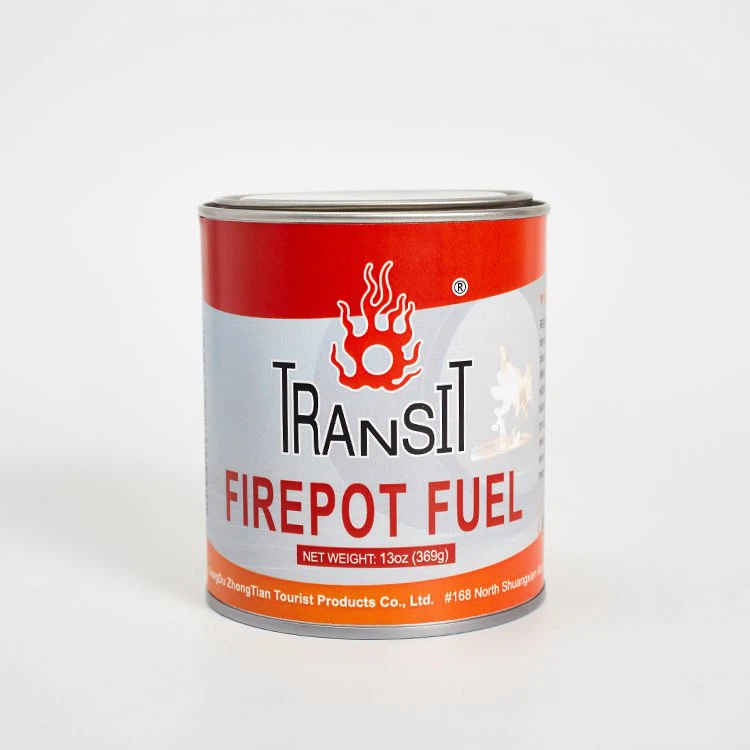
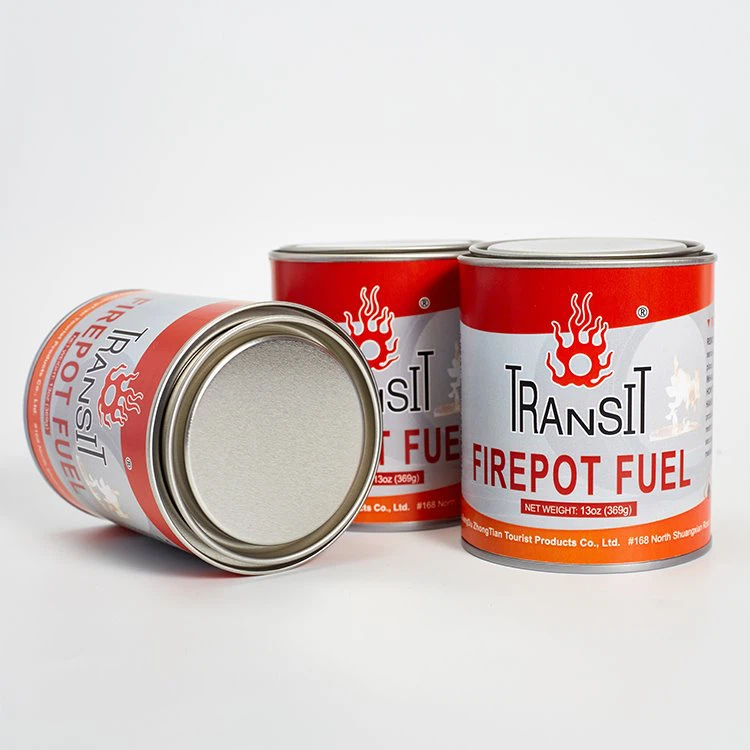
Another option is Firepot Fuel Gel, which is easy to use and provides a convenient way to start and maintain a fire. It burns cleanly and can be easily stored without taking up much space.
Conclusion
In conclusion, coconut shells can be a viable option for fireplace fuel, offering a renewable, sustainable, and aromatic alternative to traditional fuels. However, their use comes with some challenges, such as availability, ash production, and moisture content. Before deciding to use coconut shells in your fireplace, carefully consider these factors and ensure that your fireplace is compatible.
If you're interested in exploring different fireplace fuel options or have any questions about our products, I encourage you to reach out for a procurement discussion. We're here to help you find the best fuel solution for your needs and ensure a warm and cozy fireplace experience.
References
- "Biomass Energy: Principles and Applications" by John Reilly, Cambridge University Press
- "The Handbook of Sustainable Energy" by Tim Jacobson, Earthscan Publications
- Various scientific studies on the combustion properties of coconut shells from academic databases.