

Can the gel of bio - ethanol be reused?
Hey there! As a supplier of Gel Of Bio Ethanol, I often get asked a bunch of questions. One that pops up quite frequently is, "Can the gel of bio - ethanol be reused?" Well, let's dive right into this topic and find out.
First off, let's understand what bio - ethanol gel is. Bio - ethanol gel is a type of fuel made from renewable sources. It's a clean - burning fuel that's great for a variety of applications. You can use it for things like Eco Smokeless Fuel, Chafing Dish Fuel, and Gel Chafing Fuel. It's popular because it doesn't produce a lot of smoke or harmful emissions, making it an eco - friendly choice.
Now, onto the big question: can it be reused? The answer isn't a simple yes or no. It depends on a few factors.
Factors Affecting Reusability
1. Burn Conditions
How the bio - ethanol gel was burned in the first place matters a lot. If it was burned under optimal conditions, with a good air supply and a proper burner setup, there's a higher chance that some of the unburned gel might still be usable. For example, if you were using it in a chafing dish and the flame was steady and even, there could be a small amount of gel left at the bottom that might potentially be reused.
On the other hand, if the burn was uneven or there were issues with the burner, like a blockage in the air intake, the gel might have burned inefficiently. This could leave behind a lot of residue that's not suitable for reuse. The residue might contain impurities or by - products of incomplete combustion that could affect the performance if you try to use it again.
2. Contamination
Contamination is another major factor. If the gel has been exposed to dirt, water, or other foreign substances, it's probably not a good idea to reuse it. Water, for instance, can dilute the bio - ethanol in the gel. This will lower its energy content and make it burn less effectively. Dirt or other solid particles can clog the burner and prevent proper combustion.
Let's say you were using the gel outdoors, and some dust got into the container. That contaminated gel might not burn well the second time around. So, keeping the gel clean and free from contaminants is crucial if you're thinking about reusing it.
3. Chemical Changes
Over time, the chemical composition of the bio - ethanol gel can change. When it burns, some of the ethanol in the gel is converted into carbon dioxide and water. But there are also other chemical reactions happening. Oxidation can occur, especially if the gel is exposed to air for a long time. These chemical changes can affect the properties of the gel, such as its viscosity and flammability.
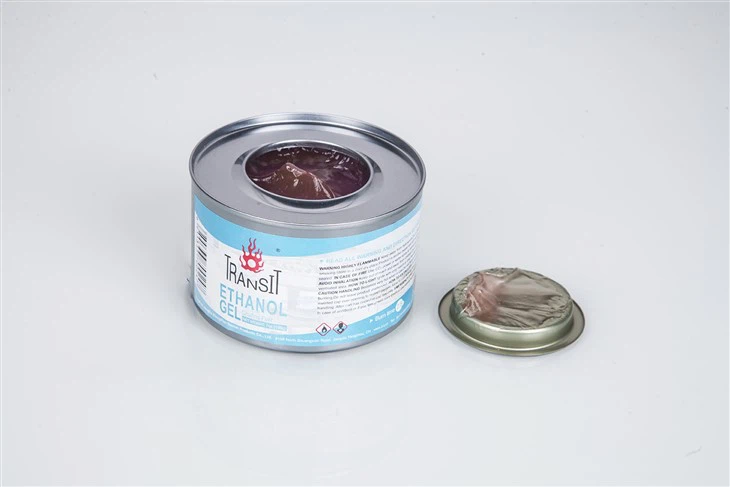
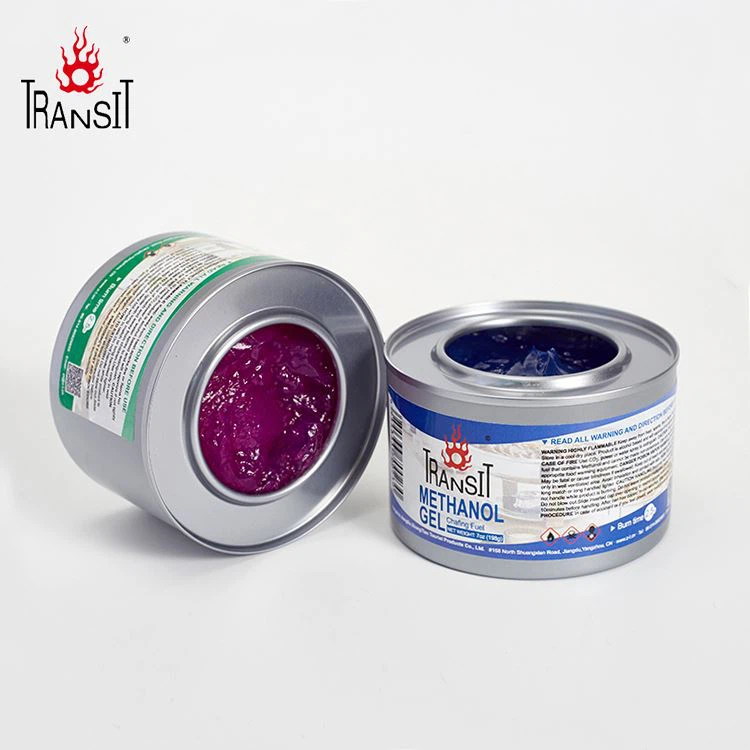
If the gel has undergone significant chemical changes, it might not burn as efficiently or might not burn at all when you try to reuse it. So, the age of the gel and how it's been stored also play a role in its reusability.
The Reuse Process
If you think your bio - ethanol gel might be reusable, here's a rough process you can follow.
First, you need to inspect the gel carefully. Look for any signs of contamination, like dirt, water, or discoloration. If you see any of these, it's best to discard the gel.
Next, check the consistency of the gel. If it's become too thin or too thick, it might not burn properly. A good bio - ethanol gel should have a semi - solid consistency that allows it to hold its shape but also burn evenly.
If the gel passes these initial checks, you can try to reuse it in a small, controlled test. Use a small amount of the potentially reusable gel in a burner and see how it burns. If it burns steadily and produces a clean flame, you might be able to use the rest of it. But if the flame is weak, flickers a lot, or produces a lot of smoke, it's probably not worth reusing.
Advantages of Reusing
If you can successfully reuse the bio - ethanol gel, there are some benefits.
Cost - Savings: Reusing the gel means you don't have to buy new fuel as often. This can save you some money in the long run, especially if you use bio - ethanol gel regularly for things like chafing dishes at events.
Environmental Benefits: By reusing the gel, you're reducing waste. Since bio - ethanol is a renewable resource, reusing it helps to make the most of this resource and reduces the overall environmental impact of fuel production and disposal.
Disadvantages of Reusing
However, there are also some downsides to consider.
Safety Risks: Reusing contaminated or chemically changed gel can pose safety risks. If the gel doesn't burn properly, it could lead to a build - up of unburned fuel, which might cause a sudden flare - up or explosion. So, it's really important to be cautious when reusing the gel.
Inconsistent Performance: The performance of reused gel can be inconsistent. You might not get the same heat output or burn time as you would with fresh gel. This can be a problem, especially in applications where a consistent heat source is required, like in a chafing dish at a catering event.
Conclusion
So, can the gel of bio - ethanol be reused? It's possible, but it's not always straightforward. You need to consider factors like burn conditions, contamination, and chemical changes. If you're careful and follow the proper inspection and testing procedures, you might be able to reuse the gel and enjoy some cost - savings and environmental benefits. But you also need to be aware of the safety risks and the potential for inconsistent performance.
If you're interested in learning more about bio - ethanol gel or are looking to purchase our high - quality products, feel free to reach out. We're here to answer any questions you might have and help you find the right fuel for your needs. Whether it's Eco Smokeless Fuel, Chafing Dish Fuel, or Gel Chafing Fuel, we've got you covered.
References
- "Bio - Ethanol as a Renewable Energy Source" - Journal of Renewable Energy Studies
- "The Chemistry of Bio - Ethanol Combustion" - Chemical Science Reviews