

How do I light chafing dish fuel?
Lighting chafing dish fuel properly is crucial for a safe and enjoyable dining experience. As a supplier of high - quality chafing dish fuels, I'm here to share detailed insights on how to light different types of chafing dish fuels, including the popular Eco Smokeless Fuel, Gel Chafing Fuel, and Bio Gel Fuel.
Understanding Chafing Dish Fuels
Before we dive into the lighting process, it's essential to understand the different types of chafing dish fuels available in the market. Chafing dish fuels are designed to provide a steady and controlled heat source to keep food warm during events, parties, or buffets. The most common types are liquid fuels, gel fuels, and solid fuels.
- Liquid Fuels: These are typically alcohol - based and burn cleanly. They offer a high heat output and are often used in professional catering settings. However, they can be more volatile and require careful handling.
- Gel Fuels: Gel chafing fuels, such as Gel Chafing Fuel and Bio Gel Fuel, are popular for their ease of use and safety. They are less likely to spill compared to liquid fuels and provide a consistent heat source. The gel consistency also makes them more stable and less prone to splashing or splattering.
- Solid Fuels: Solid chafing dish fuels are usually made of compressed materials. They burn slowly and steadily, making them ideal for longer events. However, they may take a bit longer to light compared to liquid or gel fuels.
Safety Precautions
Safety should always be the top priority when working with chafing dish fuels. Here are some essential safety precautions to follow:
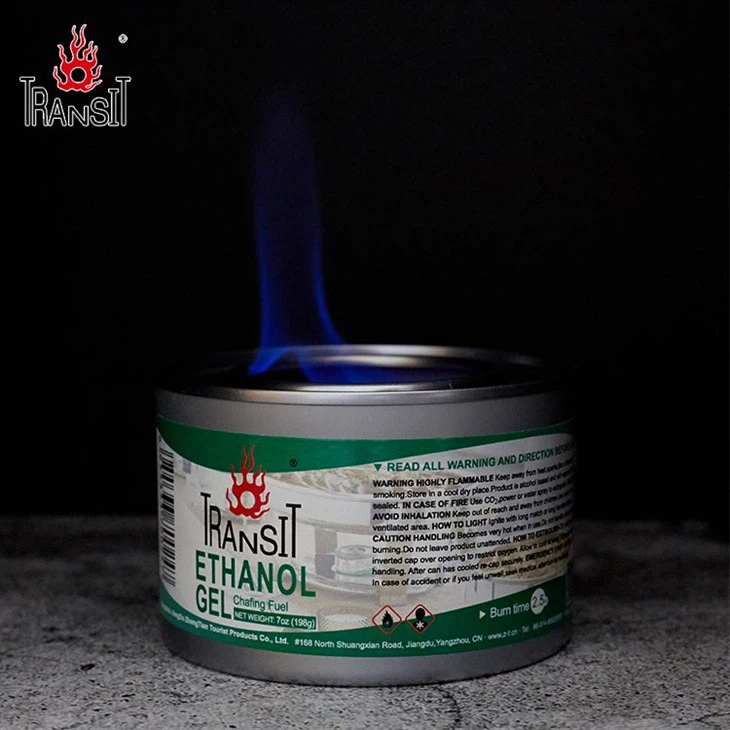

- Read the Instructions: Before using any chafing dish fuel, carefully read the manufacturer's instructions. Each type of fuel may have specific requirements and safety guidelines.
- Use in a Well - Ventilated Area: Chafing dish fuels produce carbon monoxide and other combustion by - products. Always use them in a well - ventilated area to prevent the buildup of harmful gases.
- Keep Away from Flammable Materials: Ensure that the area around the chafing dish is clear of any flammable materials, such as paper, curtains, or tablecloths. Keep a safe distance from other heat sources as well.
- Use the Right Tools: Use a long - handled lighter or a match to light the fuel. Avoid using your fingers or any other objects that may come into direct contact with the flame.
- Supervise at All Times: Never leave a lit chafing dish unattended. Keep an eye on the flame and make sure it burns steadily.
Lighting Gel Chafing Fuels
Gel chafing fuels are among the most user - friendly options available. Here's a step - by - step guide on how to light them:
- Prepare the Chafing Dish: Place the chafing dish on a stable and heat - resistant surface. Make sure the dish is clean and dry before adding the fuel.
- Insert the Fuel Canister: Open the canister of Gel Chafing Fuel or Bio Gel Fuel. Carefully place the canister in the designated fuel holder of the chafing dish. Ensure that the canister is seated properly and is not tilted or unstable.
- Remove the Seal: Most gel fuel canisters come with a protective seal. Use a knife or a similar tool to carefully remove the seal from the top of the canister.
- Light the Fuel: Take a long - handled lighter or a match and hold it close to the surface of the gel fuel. Apply the flame to the center of the gel. You may need to hold the flame in place for a few seconds until the gel catches fire. Once the gel starts to burn, you should see a steady, blue flame.
- Adjust the Flame (if necessary): Some gel fuel canisters may have adjustable vents or lids that allow you to control the flame intensity. If your canister has this feature, you can adjust it to increase or decrease the heat output according to your needs.
Lighting Liquid Chafing Fuels
Liquid chafing fuels require a bit more caution due to their volatility. Here's how to light them safely:
- Prepare the Chafing Dish and Fuel Container: Similar to gel fuels, place the chafing dish on a stable surface. Pour the liquid fuel into a suitable fuel container. Make sure the container is designed for use with liquid chafing fuels and has a proper lid or cap.
- Check for Leaks: Before lighting the fuel, carefully inspect the fuel container for any leaks or cracks. If you notice any damage, do not use the fuel and replace the container immediately.
- Position the Container: Place the fuel container in the designated fuel holder of the chafing dish. Ensure that it is secure and will not tip over.
- Light the Fuel: Use a long - handled lighter or a match to light the liquid fuel. Hold the flame close to the surface of the fuel, but be careful not to get too close. The liquid fuel should ignite quickly, producing a bright flame.
- Monitor the Flame: Once the fuel is lit, keep a close eye on the flame. If the flame appears too large or unsteady, you may need to adjust the amount of fuel or the ventilation around the chafing dish.
Lighting Solid Chafing Fuels
Solid chafing fuels are known for their long - burning time but may take a bit more effort to light. Here's how to do it:
- Place the Solid Fuel in the Holder: Put the solid chafing fuel block or tablet in the designated fuel holder of the chafing dish. Make sure it is centered and stable.
- Use an Ignition Aid (optional): Some solid fuels may come with an ignition aid, such as a special wick or a pre - treated surface. If your fuel has this feature, follow the manufacturer's instructions to use it.
- Light the Fuel: Hold a long - handled lighter or a match close to the solid fuel. Apply the flame to the ignition point or the center of the fuel block. It may take a few seconds or even a minute for the fuel to catch fire. Be patient and keep the flame in place until the fuel starts to burn.
- Wait for the Flame to Stabilize: Once the solid fuel starts to burn, it may take a little time for the flame to stabilize. Do not move the chafing dish or the fuel holder during this time.
Troubleshooting
Sometimes, you may encounter issues when lighting chafing dish fuels. Here are some common problems and their solutions:
- Fuel Won't Light: If the fuel doesn't light, check if the ignition source is working properly. Make sure you are using a long - enough lighter or match and that the flame is strong enough. If the problem persists, there may be an issue with the fuel itself. Check the expiration date and the storage conditions of the fuel.
- Flame is Too Small or Unsteady: A small or unsteady flame may be due to insufficient ventilation or a clogged fuel container. Check the vents on the chafing dish and make sure they are clear. If using a liquid fuel, check for any blockages in the fuel container.
- Flame is Too Large: A large flame can be dangerous and may cause the food to overheat. If the flame is too large, adjust the ventilation or the amount of fuel. For gel fuels, you can try closing the vents slightly to reduce the oxygen supply.
Conclusion
Lighting chafing dish fuels correctly is essential for a successful and safe dining experience. Whether you're using Eco Smokeless Fuel, Gel Chafing Fuel, or Bio Gel Fuel, following the proper safety precautions and lighting procedures is crucial.
As a supplier of high - quality chafing dish fuels, we are committed to providing you with the best products and support. If you have any questions about our fuels or need further guidance on lighting them, please don't hesitate to contact us. We look forward to discussing your fuel needs and helping you make the right choice for your events.
References
- Manufacturer's instructions of chafing dish fuels.
- Safety guidelines for using chafing dish fuels from industry standards.