

How do I transport methanol gel fuel?
Hey there! I'm a supplier of methanol gel fuel, and I often get asked about how to transport this stuff safely and efficiently. So, I thought I'd share my experiences and some tips on how to handle the transportation of methanol gel fuel.
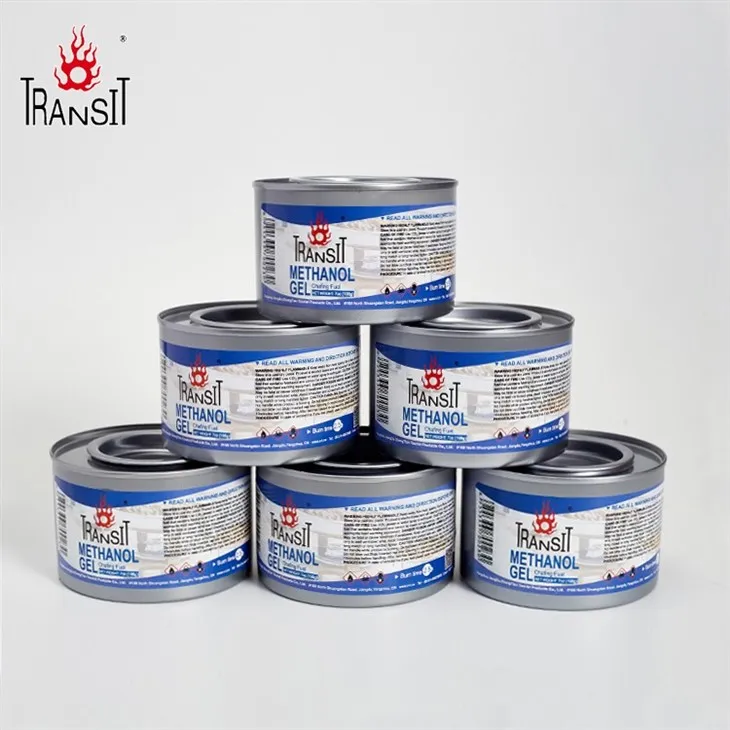
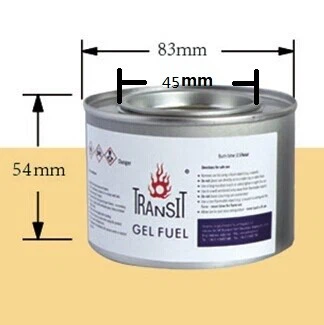
First off, let's talk about what methanol gel fuel is. It's a type of fuel that's made by mixing methanol with a gelling agent. This creates a thick, jelly - like substance that burns cleanly and can be used for various purposes, such as heating, cooking, or in some decorative fireplaces. We offer different types of methanol gel fuel products, like Handy Fuel Gel, Smokeless Solid Fuel, and Jelled Methanol Warming Fuel.
Understanding the Risks
Before we dive into the transportation methods, it's crucial to understand the risks associated with methanol gel fuel. Methanol is a flammable liquid, and even though it's in gel form, it still poses a fire hazard. It can also be toxic if ingested or inhaled in large quantities. That's why all transportation processes need to be carefully planned to minimize these risks.
Packaging
The first step in transporting methanol gel fuel is proper packaging. You can't just throw it in any old box and ship it off. The containers used for methanol gel fuel need to be made of materials that are resistant to the corrosive nature of methanol. Plastic containers with tight - fitting lids are a common choice. They should be labeled clearly with the contents, any hazard warnings, and handling instructions.
It's also a good idea to use secondary containment. This means placing the primary containers inside a larger, more robust container. For example, if you're shipping multiple small plastic bottles of methanol gel fuel, you can put them in a sturdy cardboard box lined with a plastic liner. This provides an extra layer of protection in case the primary containers leak.
Choosing the Right Carrier
When it comes to transporting methanol gel fuel, not all carriers are created equal. You need to find a carrier that has experience in handling hazardous materials. Many major shipping companies have specific departments or procedures for shipping flammable substances.
Before you choose a carrier, make sure they are licensed to transport methanol gel fuel. They should have the necessary safety equipment and training to handle such cargo. You can ask them about their safety records and what steps they take to ensure the safe transportation of hazardous materials.
Documentation
Documentation is a big deal when shipping methanol gel fuel. You'll need to fill out various forms that provide information about the cargo. This includes details like the quantity of the fuel, its chemical composition, and any safety precautions.
One of the most important documents is the Material Safety Data Sheet (MSDS). This sheet provides detailed information about the properties of methanol gel fuel, including its hazards, first - aid measures, and proper handling procedures. Make sure you have an up - to - date MSDS for every shipment.
Ground Transportation
If you're transporting methanol gel fuel locally or over short distances, ground transportation is a common option. Trucks are often used for this purpose. When using a truck, it's important to secure the cargo properly. The containers should be placed in a way that they won't shift during transit.
You can use straps or other securing devices to keep the containers in place. The truck should also be equipped with fire - fighting equipment, such as fire extinguishers, in case of an emergency. And of course, the driver should be trained in handling hazardous materials and know what to do in case of a spill or fire.
Air Transportation
Air transportation is a bit more complicated when it comes to methanol gel fuel. Airlines have strict regulations regarding the transportation of flammable substances. You need to follow all the International Air Transport Association (IATA) regulations.
The packaging requirements for air transportation are even more stringent. The containers need to be able to withstand the changes in pressure and temperature during a flight. You'll also need to provide additional documentation to the airline, and they may conduct their own inspections before allowing the cargo on board.
Storage During Transit
During transit, proper storage is essential. If the methanol gel fuel is being stored in a warehouse or a shipping container before reaching its final destination, it should be kept in a cool, dry place away from sources of heat and ignition. The storage area should be well - ventilated to prevent the build - up of fumes.
It's also important to keep the fuel away from other incompatible materials. For example, it shouldn't be stored near oxidizing agents, as this could increase the risk of a fire or explosion.
Monitoring
Throughout the transportation process, it's a good idea to monitor the cargo. You can use temperature sensors to make sure the fuel isn't being exposed to extreme temperatures. If the temperature rises too high, it could increase the risk of a fire.
You can also use tracking devices to keep an eye on the location of the shipment. This way, you'll know if there are any delays or if the cargo has deviated from its intended route.
Emergency Preparedness
No matter how careful you are, emergencies can still happen. That's why it's important to have an emergency plan in place. All personnel involved in the transportation process should be trained on what to do in case of a spill, fire, or other incident.
The emergency plan should include procedures for containing spills, extinguishing fires, and notifying the appropriate authorities. You should also have access to emergency response equipment, such as spill kits and personal protective equipment (PPE).
Conclusion
Transporting methanol gel fuel is a complex process that requires careful planning and attention to detail. From proper packaging to choosing the right carrier, every step is crucial in ensuring the safe and efficient delivery of the product.
If you're interested in purchasing our high - quality methanol gel fuel products like Handy Fuel Gel, Smokeless Solid Fuel, or Jelled Methanol Warming Fuel, feel free to reach out to us for a purchase and to discuss your specific needs. We're here to help you with all your methanol gel fuel requirements.
References
- International Air Transport Association (IATA) Dangerous Goods Regulations
- Department of Transportation (DOT) Hazardous Materials Regulations