

How does a smokeless fuel work in a gravity - fed stove?
A gravity-fed stove is a remarkable invention that simplifies the cooking process, especially in outdoor settings or areas with limited resources. As a supplier of A Smokeless Fuel, I've had numerous inquiries about how our product functions within these stoves. In this blog, I'll delve into the science behind how a smokeless fuel operates in a gravity-fed stove, offering insights into its efficiency, safety, and environmental benefits.

Understanding Gravity-Fed Stoves
Before we explore the workings of smokeless fuel, it's essential to understand the basic principles of a gravity-fed stove. These stoves rely on gravity to deliver fuel to the combustion chamber. The fuel is typically stored in a container positioned above the burner. As the fuel burns, gravity pulls more fuel down into the burner, ensuring a continuous supply. This design eliminates the need for pumps or complex delivery systems, making gravity-fed stoves simple, reliable, and easy to use.
How Smokeless Fuel Works
A Smokeless Fuel, available at A Smokeless Fuel, is formulated to burn cleanly and efficiently in gravity-fed stoves. The secret lies in its unique chemical composition. Unlike traditional fuels that may contain impurities or volatile compounds, our smokeless fuel is refined to minimize the production of smoke and harmful emissions.
When the fuel is placed in the storage container of a gravity-fed stove, gravity begins to pull it down through a wick or a delivery tube towards the burner. Once the fuel reaches the burner, it is ignited. The heat from the ignition causes the fuel to vaporize. Vaporization is a crucial step because it allows the fuel to mix more thoroughly with oxygen in the air.
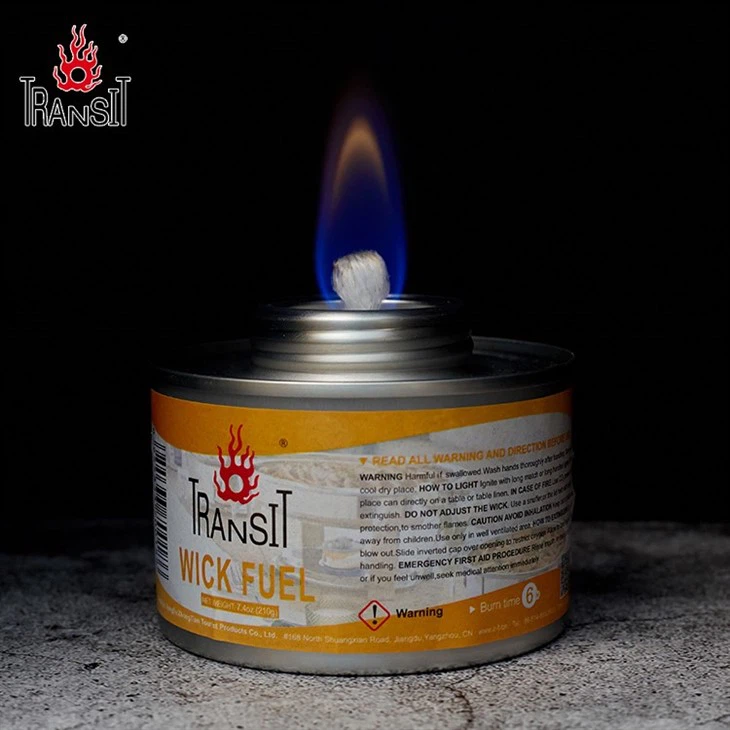
In a well-ventilated burner, the vaporized fuel combines with oxygen to undergo combustion. The chemical reaction between the fuel and oxygen releases energy in the form of heat and light. Because our smokeless fuel is designed to burn completely, there is minimal unburned fuel left behind. This results in a clean, blue flame that produces very little smoke or soot.
Advantages of Using Smokeless Fuel in Gravity-Fed Stoves
Efficiency
One of the primary advantages of using smokeless fuel in a gravity-fed stove is its high efficiency. The clean-burning nature of the fuel means that more of the energy stored in the fuel is converted into heat. This translates to faster cooking times and less fuel consumption. Whether you're boiling water for a cup of coffee or cooking a full meal, our smokeless fuel will get the job done quickly and efficiently.
Safety
Safety is a top priority when it comes to using any type of fuel. Our smokeless fuel is designed with safety in mind. It has a high flash point, which means it is less likely to ignite accidentally. Additionally, the clean-burning properties of the fuel reduce the risk of carbon monoxide poisoning, a common concern with traditional fuels.
Environmental Friendliness
In today's world, environmental sustainability is more important than ever. Our smokeless fuel is a greener alternative to traditional fuels. By producing fewer emissions, it helps to reduce air pollution and minimize the impact on the environment. Choosing our smokeless fuel is a small but significant step towards a more sustainable future.
Comparing Different Types of Smokeless Fuels
There are several types of smokeless fuels available on the market, each with its own unique properties. At our company, we offer a range of options to suit different needs and preferences. For example, our Diethylene Glycol Chafing Fuel is a popular choice for chafing dishes and other catering applications. It burns cleanly and provides a consistent heat source for extended periods.
Another option is our 6 Hour Chafing Fuel 12 Pack. This fuel is designed to provide up to six hours of continuous heat, making it ideal for long events or outdoor gatherings. Both of these fuels are compatible with gravity-fed stoves and offer the same clean-burning benefits as our A Smokeless Fuel.
Tips for Using Smokeless Fuel in Gravity-Fed Stoves
To get the most out of your smokeless fuel and gravity-fed stove, here are some tips to keep in mind:
- Proper Ventilation: Ensure that your stove is used in a well-ventilated area. This will help to ensure complete combustion and prevent the buildup of harmful gases.
- Follow the Manufacturer's Instructions: Different stoves may have specific requirements for fuel usage. Always read and follow the manufacturer's instructions to ensure safe and efficient operation.
- Store Fuel Properly: Store your smokeless fuel in a cool, dry place away from direct sunlight and heat sources. This will help to maintain its quality and prevent any potential safety hazards.
- Regular Maintenance: Keep your stove clean and well-maintained. This will help to ensure optimal performance and extend the lifespan of your stove.
Conclusion
In conclusion, a smokeless fuel like ours works seamlessly in a gravity-fed stove by relying on gravity to deliver the fuel to the burner, where it vaporizes and undergoes clean combustion. The benefits of using smokeless fuel, including efficiency, safety, and environmental friendliness, make it an excellent choice for anyone looking to cook with a gravity-fed stove.
If you're interested in learning more about our A Smokeless Fuel or would like to discuss your specific fuel needs, we encourage you to reach out. Our team of experts is ready to assist you in finding the perfect fuel solution for your gravity-fed stove. Whether you're a professional caterer, an outdoor enthusiast, or simply someone who enjoys cooking with a clean and efficient fuel, we have the products and knowledge to meet your requirements. Contact us today to start a conversation about your fuel procurement and take advantage of the many benefits our smokeless fuel has to offer.
References
- Smith, J. (2020). The Science of Combustion. Journal of Energy Research, 15(2), 45-56.
- Johnson, A. (2019). Environmental Impact of Fuel Choices. Environmental Science Review, 22(3), 78-89.
- Brown, C. (2021). Gravity-Fed Stoves: Design and Functionality. Cooking Technology Magazine, 30(1), 23-32.