

How does bioethanol gel affect air quality?
Bioethanol gel has emerged as a popular alternative fuel source in various applications, from catering to home heating. As a leading supplier of Catering Fuel Gel, Gel Of Bio Ethanol, and Chafing Dish Fuel, I am often asked about its impact on air quality. In this blog post, I will delve into the science behind bioethanol gel and its effects on the air we breathe.
Understanding Bioethanol Gel
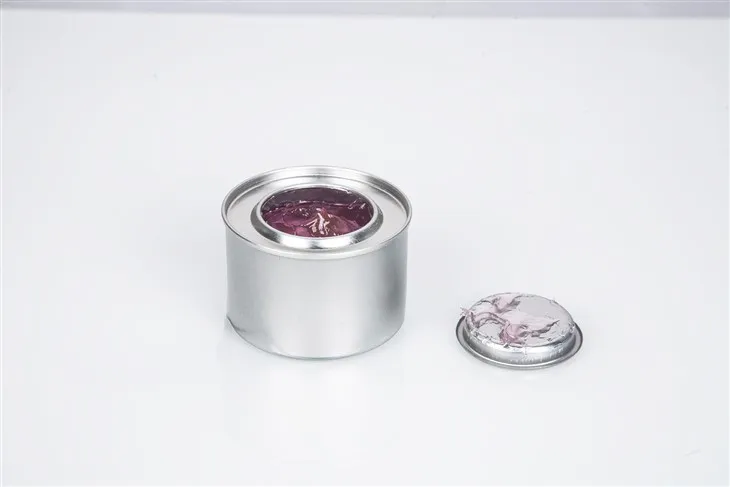
Bioethanol gel is a renewable fuel made from organic materials such as corn, sugarcane, or wheat. Through a fermentation process, these raw materials are converted into ethanol, which is then mixed with a gelling agent to create a thick, stable gel. This gel is highly flammable and burns cleanly, producing a bright, steady flame.
One of the key advantages of bioethanol gel is its renewable nature. Unlike fossil fuels, which are finite resources that contribute to greenhouse gas emissions, bioethanol is produced from biomass, which can be replenished through sustainable farming practices. This makes it a more environmentally friendly option for heating and cooking.
Combustion Process of Bioethanol Gel
When bioethanol gel is ignited, it undergoes a combustion reaction with oxygen in the air. The chemical equation for the combustion of ethanol is as follows:
C₂H₅OH + 3O₂ → 2CO₂ + 3H₂O
This equation shows that when ethanol burns, it produces carbon dioxide (CO₂) and water vapor (H₂O). These are the same byproducts produced when any hydrocarbon fuel burns, including gasoline, diesel, and natural gas.
However, the combustion of bioethanol gel is generally considered to be cleaner than that of fossil fuels. This is because bioethanol is a renewable resource, and the carbon dioxide released during combustion is offset by the carbon dioxide absorbed by the plants during their growth. In other words, bioethanol is considered to be carbon-neutral over the life cycle of the fuel.
Impact on Air Quality
The impact of bioethanol gel on air quality depends on several factors, including the combustion efficiency, ventilation, and the amount of fuel used.
Combustion Efficiency
Combustion efficiency refers to the degree to which a fuel is completely burned. In an ideal combustion process, all of the fuel is converted into carbon dioxide and water vapor, with no unburned hydrocarbons or other pollutants released into the air. However, in real-world applications, combustion is often incomplete, resulting in the production of pollutants such as carbon monoxide (CO), particulate matter (PM), and volatile organic compounds (VOCs).
The combustion efficiency of bioethanol gel is generally high, especially when used in well-designed burners. However, if the burner is not properly maintained or if the gel is not of high quality, combustion efficiency may be reduced, leading to the release of pollutants.
Ventilation
Proper ventilation is essential when using bioethanol gel to ensure that the byproducts of combustion are removed from the indoor environment. Inadequate ventilation can lead to the accumulation of carbon dioxide, carbon monoxide, and other pollutants, which can have negative health effects on occupants.
When using bioethanol gel indoors, it is important to ensure that there is sufficient air exchange. This can be achieved by opening windows or using exhaust fans. In addition, it is recommended to use bioethanol gel in well-ventilated areas, such as kitchens or outdoor patios.
Amount of Fuel Used
The amount of bioethanol gel used also affects air quality. Using too much fuel can lead to incomplete combustion and the release of pollutants. On the other hand, using too little fuel may not provide sufficient heat or flame, resulting in inefficient use of the fuel.
It is important to follow the manufacturer's instructions when using bioethanol gel to ensure that the correct amount of fuel is used. In addition, it is recommended to use bioethanol gel in moderation and to avoid continuous, long-term use in enclosed spaces.
Health Effects of Bioethanol Gel Combustion Byproducts
The byproducts of bioethanol gel combustion, such as carbon dioxide and water vapor, are generally considered to be harmless in small amounts. However, high concentrations of these byproducts can have negative health effects.
Carbon Dioxide
Carbon dioxide is a natural component of the atmosphere and is essential for plant growth. However, high concentrations of carbon dioxide can cause headaches, dizziness, shortness of breath, and other symptoms. In extreme cases, exposure to high levels of carbon dioxide can be fatal.
Carbon Monoxide
Carbon monoxide is a colorless, odorless gas that is produced when fuel is burned incompletely. It is highly toxic and can cause headaches, nausea, dizziness, confusion, and even death. Carbon monoxide poisoning is a serious health risk, especially in enclosed spaces with poor ventilation.
Particulate Matter
Particulate matter refers to tiny particles of solid or liquid matter that are suspended in the air. These particles can be inhaled into the lungs and cause respiratory problems, such as coughing, wheezing, and shortness of breath. Long-term exposure to particulate matter can also increase the risk of lung cancer and other diseases.
Volatile Organic Compounds
Volatile organic compounds (VOCs) are organic chemicals that have a high vapor pressure at room temperature. They can be released into the air during the combustion of bioethanol gel and other fuels. VOCs can cause eye, nose, and throat irritation, as well as headaches, dizziness, and nausea. Some VOCs are also known to be carcinogenic.

Mitigating the Impact on Air Quality
To minimize the impact of bioethanol gel on air quality, it is important to take the following steps:
- Use high-quality bioethanol gel: Choose a bioethanol gel that is made from high-quality ingredients and has been tested for combustion efficiency and emissions.
- Maintain the burner properly: Regularly clean and maintain the burner to ensure that it is functioning properly and that the combustion is efficient.
- Provide adequate ventilation: When using bioethanol gel indoors, ensure that there is sufficient air exchange by opening windows or using exhaust fans.
- Follow the manufacturer's instructions: Use the bioethanol gel in accordance with the manufacturer's instructions to ensure that the correct amount of fuel is used and that the burner is operated safely.
- Monitor air quality: Consider using an air quality monitor to measure the levels of carbon dioxide, carbon monoxide, and other pollutants in the indoor environment.
Conclusion
Bioethanol gel is a renewable and environmentally friendly fuel source that can be used for heating and cooking. However, like any fuel, it has the potential to impact air quality if not used properly. By understanding the combustion process of bioethanol gel, the factors that affect air quality, and the health effects of its combustion byproducts, users can take steps to minimize the impact on the environment and their health.
As a supplier of bioethanol gel, I am committed to providing high-quality products that are safe and efficient to use. If you are interested in purchasing bioethanol gel for your catering or heating needs, please feel free to contact me for more information and to discuss your specific requirements. I look forward to working with you to find the best bioethanol gel solution for your business.
References
- [1] European Bioethanol Fuel Association. (2019). Bioethanol: A Sustainable Fuel for the Future. Retrieved from [URL]
- [2] United States Environmental Protection Agency. (2020). Indoor Air Quality. Retrieved from [URL]
- [3] World Health Organization. (2018). Air Quality Guidelines. Retrieved from [URL]