

How does bioethanol gel compare to ethanol fuel for vehicles in terms of energy?
As a supplier of Bioethanol Gel, I've been closely observing the energy market and the various fuel options available, especially when it comes to comparing bioethanol gel with traditional ethanol fuel for vehicles. In this blog, I'll delve into the energy - related aspects of these two fuel types to help you understand their differences and potential applications.
Energy Density
Energy density is a crucial factor when evaluating fuels. It refers to the amount of energy stored in a given volume or mass of the fuel. Ethanol fuel, which is commonly used in vehicles, has a well - established energy density. Pure ethanol has an energy density of approximately 26.8 megajoules per liter (MJ/L). When blended with gasoline, as is often the case in flex - fuel vehicles, the energy density varies depending on the blend ratio. For example, E10 (10% ethanol and 90% gasoline) has an energy density slightly lower than pure gasoline due to the lower energy content of ethanol.
On the other hand, bioethanol gel has a different energy density profile. The gel form is created by adding gelling agents to bioethanol, which can affect its overall energy - storing capacity. Generally, the energy density of bioethanol gel is lower than that of liquid ethanol fuel. The gelling agents add mass without significantly contributing to the energy output, and the gel structure may also limit the efficient release of energy during combustion. However, the exact energy density of bioethanol gel can vary depending on the specific formulation and the quality of the gelling agents used.
Combustion Efficiency
Combustion efficiency is another important aspect of fuel performance. Ethanol fuel burns relatively cleanly compared to some other fossil fuels, but its combustion efficiency can be influenced by factors such as the air - fuel ratio, engine design, and the presence of impurities. In modern engines optimized for ethanol - gasoline blends, the combustion process can be quite efficient, leading to good power output and relatively low emissions.
Bioethanol gel combustion efficiency is a bit more complex. The gel structure can make it more challenging for oxygen to penetrate and mix with the fuel, which may result in incomplete combustion. However, some advanced bioethanol gel formulations are designed to improve oxygen diffusion and combustion stability. For instance, certain gelling agents can create a more porous gel structure that allows for better air - fuel mixing. When properly formulated and used in suitable combustion devices, bioethanol gel can achieve reasonable combustion efficiency, although it may still be slightly lower than that of liquid ethanol fuel in typical vehicle engines.
Energy Release Rate
The rate at which energy is released during combustion affects the power delivery of the fuel. Ethanol fuel in vehicles provides a relatively fast energy release rate, which is essential for quick acceleration and maintaining high - speed driving. The liquid form of ethanol allows it to be easily injected into the engine cylinders and mix with air, enabling rapid combustion.
Bioethanol gel has a slower energy release rate compared to liquid ethanol fuel. The gel state restricts the flow and mixing of the fuel, causing a more gradual release of energy. This slower energy release can be an advantage in some applications where a steady, long - lasting heat source is required, such as in some portable heating devices. But for vehicle applications, where quick power surges are often needed, the slower energy release rate of bioethanol gel can be a drawback.

Environmental Impact
Both bioethanol gel and ethanol fuel are considered more environmentally friendly than many fossil fuels. Ethanol is a renewable fuel that can be produced from biomass such as corn, sugarcane, or cellulosic materials. When burned, it produces fewer greenhouse gas emissions compared to gasoline, especially if the biomass used for production is sustainably sourced.
Bioethanol gel also has environmental benefits. Since it is based on bioethanol, it is a renewable fuel source. Additionally, some bioethanol gel products, like Bio Gel Fuel, are formulated to be eco - friendly. They produce fewer particulate emissions and have a lower carbon footprint compared to traditional solid fuels. Moreover, Eco Smokeless Fuel is designed to burn cleanly, reducing air pollution and making it a more sustainable option for various heating applications.
Safety and Handling
Safety is a significant concern when dealing with fuels. Ethanol fuel is a flammable liquid, and proper storage and handling procedures are required to prevent spills, fires, and explosions. In vehicle applications, strict safety standards are in place for fuel tanks, fuel lines, and refueling systems.
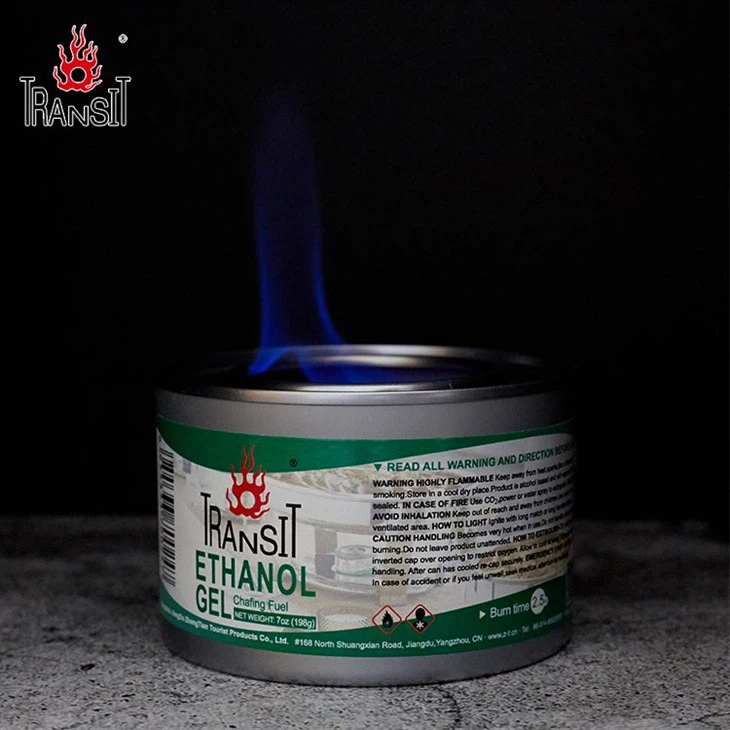
Bioethanol gel offers some safety advantages. Its gel form makes it less likely to spill compared to liquid ethanol fuel. In case of a fire, the gel burns more slowly and is easier to control than a liquid fuel fire. This makes bioethanol gel a safer option for some consumer applications, such as in home heating or outdoor cooking. For example, Alcohol Gel Fuel is designed with safety in mind, making it suitable for use in various non - vehicle settings.
Applications and Market Potential
Ethanol fuel has a well - established market in the automotive industry. Many countries have implemented ethanol - gasoline blend mandates to reduce dependence on fossil fuels and lower emissions. Flex - fuel vehicles are becoming more common, and the infrastructure for distributing ethanol fuel is continuously expanding.
Bioethanol gel, on the other hand, has a different market focus. Its unique properties, such as its slow - burning nature and safety features, make it suitable for applications such as portable heaters, camping stoves, and decorative fireplaces. While it may not be a direct replacement for vehicle ethanol fuel in the near future, there is a growing market for bioethanol gel in the consumer and hospitality sectors.
Conclusion
In conclusion, bioethanol gel and ethanol fuel for vehicles have distinct characteristics in terms of energy. Ethanol fuel has higher energy density, faster energy release rate, and generally better combustion efficiency in vehicle engines. However, bioethanol gel offers advantages in terms of safety, environmental friendliness in certain applications, and a slower, more controlled energy release.
As a supplier of bioethanol gel, I believe that there is great potential for this product in non - vehicle markets. The unique properties of bioethanol gel make it a versatile and sustainable fuel option for a variety of consumer and commercial applications. If you are interested in exploring the possibilities of using bioethanol gel for your specific needs, I encourage you to contact me for a detailed discussion on product specifications, pricing, and procurement. Let's work together to make the most of this innovative and eco - friendly fuel.
References
- Brown, R. C. (2014). Thermochemical Conversion of Biomass: A Review. Chemical Reviews, 114(2), 1778 - 1809.
- Demirbas, A. (2009). Biofuels Sources, Biofuel Policy, Biofuel Economy and Global Biofuel Projections. Energy Conversion and Management, 50(6), 1479 - 1484.
- Wang, M., & Saricks, C. (2008). Well - to - Wheels Energy Use and Greenhouse Gas Emissions of Advanced Vehicle - Fuel Systems: A North American Study. Argonne National Laboratory.