

How does catering fuel gel affect food taste?
As a catering fuel gel supplier, I've witnessed firsthand the impact our product has on the culinary world. Catering fuel gel is a crucial element in maintaining the warmth and quality of food at events, from small gatherings to large banquets. However, a question that often arises is: How does catering fuel gel affect food taste? In this blog, I'll explore the science behind catering fuel gel and its influence on the flavor of the food it keeps warm.
Understanding Catering Fuel Gel
Catering fuel gel is a popular choice for keeping food warm in various catering settings. It offers several advantages over traditional fuels, such as being clean-burning, odorless, and easy to use. The gel form allows for controlled burning, ensuring a consistent heat source that can be adjusted as needed.
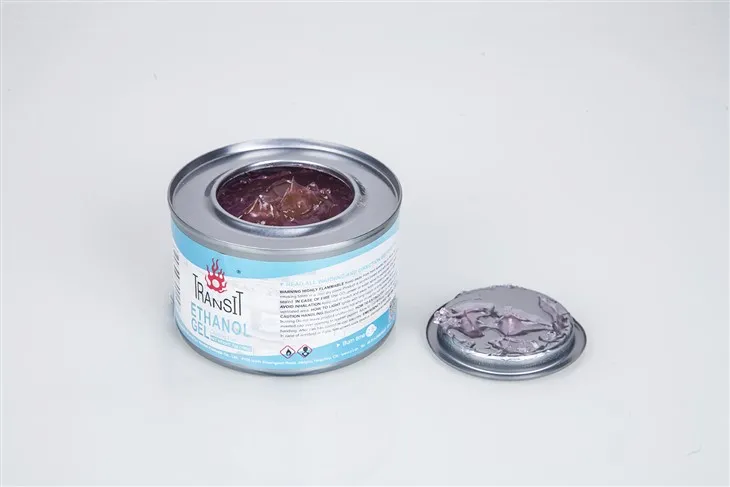
There are different types of catering fuel gels available on the market, each with its own unique properties. One common type is Gel Of Bio Ethanol, which is made from renewable resources and is considered an environmentally friendly option. Bioethanol gel burns cleanly, producing minimal smoke and emissions, which is ideal for indoor use.
Another type is Chafing Dish Fuel, specifically designed for use in chafing dishes. These fuels are formulated to provide a steady and long-lasting heat source, ensuring that food remains at the optimal serving temperature for extended periods.
Buffet Fuel is also a popular choice for buffets and self-service events. It offers a convenient and efficient way to keep a variety of hot dishes warm, allowing guests to enjoy their meals at the right temperature.
The Science of Heat and Flavor
To understand how catering fuel gel affects food taste, it's important to first understand the role of heat in cooking and flavor development. Heat plays a crucial role in transforming the chemical and physical properties of food, influencing its texture, color, and flavor.
When food is heated, a series of chemical reactions occur, known as the Maillard reaction and caramelization. The Maillard reaction is a complex chemical reaction between amino acids and reducing sugars, which results in the browning and development of rich, savory flavors. Caramelization, on the other hand, is the process of heating sugars until they break down and form new compounds, creating a sweet and nutty flavor.
In addition to these reactions, heat also affects the texture of food. It can cause proteins to denature and coagulate, making them firmer, and it can break down starches, making them more digestible. These changes in texture can have a significant impact on the overall eating experience.
Impact of Catering Fuel Gel on Food Taste
Now that we understand the science of heat and flavor, let's explore how catering fuel gel specifically affects food taste.
1. Consistent Heat Source
One of the key benefits of catering fuel gel is its ability to provide a consistent heat source. Unlike traditional fuels, which may fluctuate in temperature, catering fuel gel burns steadily, ensuring that food is heated evenly. This consistency is crucial for maintaining the quality and flavor of the food.
When food is heated unevenly, it can result in overcooking in some areas and undercooking in others. Overcooked food can become dry, tough, and lose its flavor, while undercooked food may be raw or have a unpleasant texture. By providing a consistent heat source, catering fuel gel helps to prevent these issues, ensuring that food is cooked to perfection.
2. Minimal Odor and Smoke
Another advantage of catering fuel gel is its clean-burning properties. Most catering fuel gels are odorless and produce minimal smoke, which means that they do not impart any unwanted flavors or aromas to the food.
In contrast, some traditional fuels, such as charcoal or wood, can produce strong odors and smoke that can seep into the food, altering its taste. This can be particularly problematic in indoor settings, where the smell of smoke can be overwhelming. Catering fuel gel eliminates this issue, allowing the natural flavors of the food to shine through.
3. No Contamination
Catering fuel gel is typically stored in sealed containers, which helps to prevent contamination. This is important because any contaminants in the fuel can potentially transfer to the food, affecting its taste and safety.
In addition, catering fuel gel is designed to burn cleanly, leaving behind no residue or ash. This means that there is no risk of food being contaminated by particles or debris from the fuel.
4. Extended Shelf Life of Food
By maintaining a consistent and appropriate temperature, catering fuel gel can help to extend the shelf life of food. When food is kept at the right temperature, it is less likely to spoil or develop harmful bacteria, which can affect its taste and quality.
This is particularly important for events where food needs to be kept warm for an extended period of time. Catering fuel gel ensures that food remains fresh and flavorful, allowing guests to enjoy their meals without any concerns about food safety.
Factors to Consider
While catering fuel gel generally has a positive impact on food taste, there are a few factors to consider to ensure the best results.
1. Quality of the Fuel
The quality of the catering fuel gel can have a significant impact on its performance and the taste of the food. It's important to choose a high-quality fuel that is specifically designed for catering use. Look for fuels that are made from pure ingredients and have been tested for safety and performance.
2. Proper Use and Handling
Proper use and handling of the catering fuel gel are also crucial for maintaining the quality of the food. Follow the manufacturer's instructions carefully when lighting and extinguishing the fuel, and make sure to use the appropriate containers and equipment.
In addition, it's important to monitor the temperature of the food regularly to ensure that it remains at the optimal serving temperature. If the food starts to cool down, adjust the heat source as needed.
3. Type of Food
The type of food being served can also affect how it is impacted by the catering fuel gel. Some foods, such as delicate seafood or vegetables, may be more sensitive to heat and require a lower temperature to prevent overcooking. Others, such as meats or stews, may require a higher temperature to ensure that they are cooked thoroughly.
It's important to consider the specific requirements of the food when choosing the appropriate catering fuel gel and adjusting the heat source.
Conclusion
In conclusion, catering fuel gel plays a crucial role in maintaining the warmth and quality of food at events. Its ability to provide a consistent heat source, minimal odor and smoke, and no contamination makes it an ideal choice for catering settings. By ensuring that food is heated evenly and at the right temperature, catering fuel gel helps to preserve the natural flavors and textures of the food, enhancing the overall eating experience.
If you're in the market for high-quality catering fuel gel, I invite you to reach out to me. As a supplier, I can offer you a wide range of products to meet your specific needs. Whether you're hosting a small dinner party or a large corporate event, I can provide you with the fuel gel solutions that will ensure your food stays warm and delicious. Contact me to start a discussion about your catering fuel requirements and let's work together to make your next event a success.
References
- "The Science of Cooking: Everything You Need to Know to Be a Great Cook" by Michael Ruhlman and Brian Polcyn
- "Flavor Bible: The Essential Guide to Culinary Creativity, Based on the Wisdom of America's Most Imaginative Chefs" by Karen Page and Andrew Dornenburg
- "On Food and Cooking: The Science and Lore of the Kitchen" by Harold McGee