

How does Eco Smokeless Fuel perform in cold weather?
As a supplier of Eco Smokeless Fuel, I've received numerous inquiries about how our product performs in cold weather. In this blog, I'll share some in - depth insights based on scientific knowledge and practical experience.
Understanding the Composition of Eco Smokeless Fuel
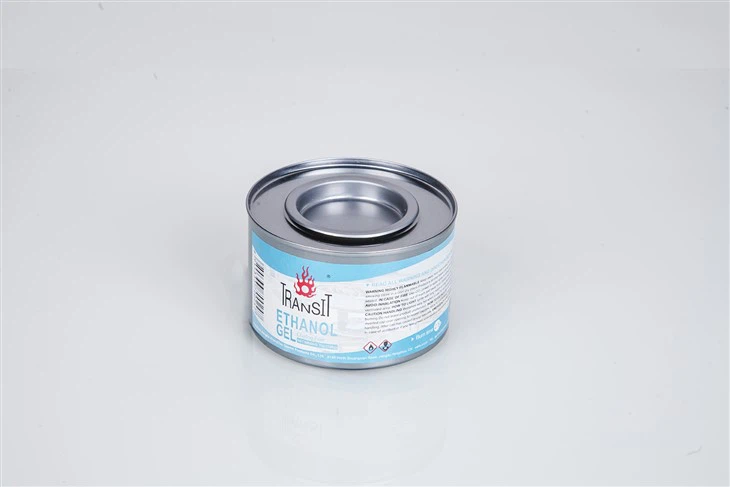
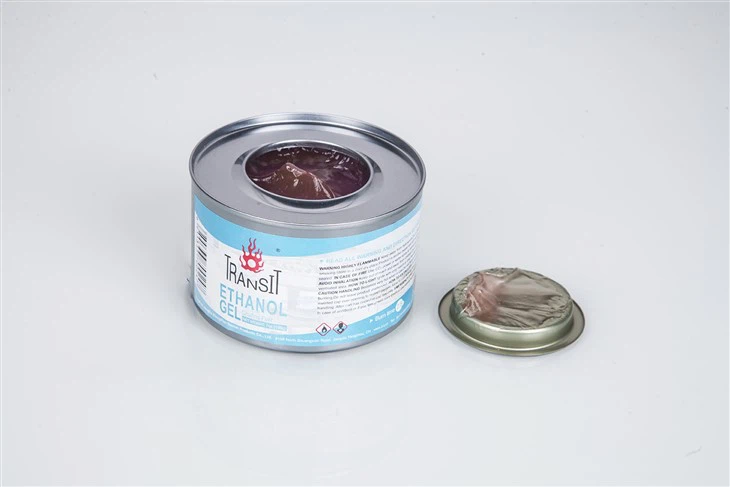
Before delving into its cold - weather performance, it's essential to understand what makes up Eco Smokeless Fuel. Our Eco Smokeless Fuel is primarily made from bioethanol gel. Bioethanol is a renewable energy source derived from plant materials such as corn, sugarcane, or wheat. The gel form is created by adding thickening agents to the bioethanol, which gives it a stable and easy - to - handle consistency.
The properties of bioethanol play a crucial role in how the fuel behaves in different temperatures. Bioethanol has a relatively low freezing point compared to some traditional fuels. The freezing point of pure ethanol is around - 114°C (- 173°F). However, when it's in a gel form with additives, the freezing point can change slightly, but it still remains quite low.
Ignition in Cold Weather
One of the key concerns in cold weather is whether the fuel can be easily ignited. In general, our Eco Smokeless Fuel has good ignition properties even in colder conditions. The gel structure helps to hold the heat generated during the ignition process, allowing the bioethanol to vaporize and start burning.
When the temperature drops, the viscosity of the gel may increase slightly. This means that the fuel becomes a bit thicker, which can slow down the rate of vaporization to some extent. However, with a proper ignition source, such as a long - reach lighter or a match, the fuel can still be ignited. The heat from the ignition source overcomes the initial resistance caused by the increased viscosity, and the fuel starts to burn steadily.
It's important to note that in extremely cold temperatures, it might take a few extra seconds for the fuel to reach a full - flame state compared to warmer conditions. But once ignited, the flame will gradually strengthen and provide a consistent heat output.
Heat Output in Cold Weather
Another important aspect is the heat output of the Eco Smokeless Fuel in cold weather. The heat output of a fuel depends on its combustion efficiency. In cold weather, the air density is higher, which means there is more oxygen available per unit volume. This can potentially enhance the combustion process and lead to a more efficient burn.
Our Eco Smokeless Fuel is designed to have a high - quality combustion reaction. In cold conditions, the increased oxygen availability can help the bioethanol in the fuel to burn more completely, resulting in a relatively stable heat output. Although the initial ignition might be slightly affected by the cold, once the fuel is burning, it can still provide a significant amount of heat.
The heat output is also affected by the amount of fuel used. In colder weather, you may need to use a bit more fuel to maintain the desired level of warmth. For example, if you are using the fuel for a small chafing dish to keep food warm, you might increase the amount of fuel by about 10 - 15% compared to normal temperatures.
Flame Stability in Cold Weather
Flame stability is crucial for the safe and effective use of the fuel. In cold weather, the wind can be more of a factor, which can potentially affect the flame. However, the gel nature of our Eco Smokeless Fuel provides some natural protection against wind.
The gel holds the fuel in place, preventing it from being easily blown away by the wind. Additionally, the combustion process of bioethanol is relatively stable, and the flame is less likely to flicker or go out compared to some other types of fuels.
To further enhance flame stability in cold and windy conditions, you can use a windscreen. A simple windscreen can block the wind and create a more sheltered environment for the fuel to burn. This helps to maintain a consistent flame and ensures that the heat is directed where it's needed.
Comparing with Other Fuels in Cold Weather
Let's compare our Eco Smokeless Fuel with some other common fuels in cold - weather performance.
Gel Chafing Fuel: Gel Chafing Fuel is another type of fuel often used for chafing dishes. While it also has a gel structure, the composition may vary. Our Eco Smokeless Fuel generally has better cold - weather performance in terms of ignition and heat output. The bioethanol in our fuel has a lower freezing point and better combustion characteristics, allowing it to perform more reliably in colder temperatures.
Bioethanol Fire Gel: Bioethanol Fire Gel is used for decorative fireplaces and similar applications. Our Eco Smokeless Fuel shares some similarities with bioethanol fire gel in terms of the main ingredient (bioethanol). However, our product is specifically formulated for applications where heat output and stability are important, such as in food warming. In cold weather, it can provide a more consistent heat source for these practical uses.
Tips for Using Eco Smokeless Fuel in Cold Weather
Here are some practical tips to ensure the best performance of our Eco Smokeless Fuel in cold weather:
- Store the fuel properly: Keep the fuel in a warm place before use. This can help to maintain its viscosity at an optimal level for easier ignition.
- Use a proper ignition source: As mentioned earlier, a long - reach lighter or a match can be effective. Make sure to hold the ignition source close to the fuel for a few seconds to ensure a proper start.
- Adjust the amount of fuel: Consider using a slightly larger amount of fuel in colder weather to compensate for any potential loss of heat due to the cold environment.
- Protect from the wind: Use a windscreen to create a more stable burning environment. This can improve flame stability and heat output.
Conclusion
In conclusion, our Eco Smokeless Fuel performs well in cold weather. Its unique composition of bioethanol gel allows it to be ignited relatively easily, provide a stable heat output, and maintain a consistent flame even in colder temperatures. While there may be some minor differences in performance compared to warmer conditions, with the right techniques and precautions, it can meet the needs of various applications.
If you are interested in purchasing our Eco Smokeless Fuel or have any further questions about its performance in different conditions, please feel free to contact us for more information and to start a procurement discussion.
References
- Principles of Combustion, Third Edition, by Richard A. Strehlow
- Bioethanol as a Renewable Energy Source: Production and Utilization, edited by K. Rajeshwar and S. Sampath