

Is chafing dish fuel environmentally friendly?
Hey there! As a supplier of chafing dish fuel, I often get asked whether our product is environmentally friendly. It's a hot topic these days, and rightly so. With more and more people becoming conscious of their environmental impact, it's crucial to understand where our products stand in terms of sustainability. So, let's dive right in and explore the environmental friendliness of chafing dish fuel.
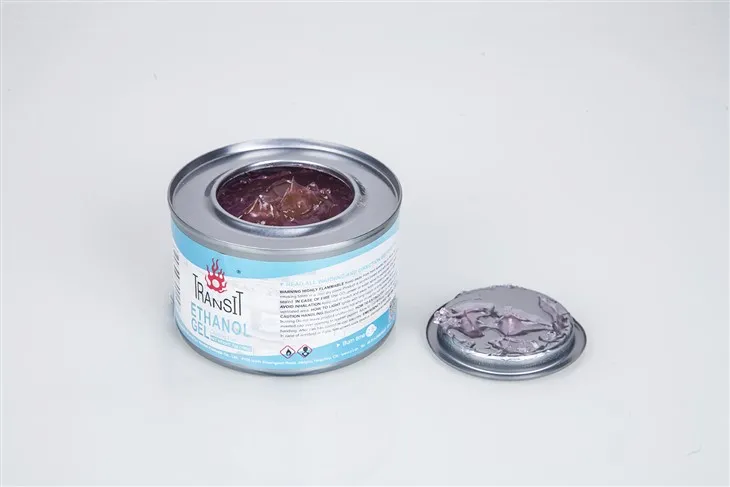
First off, let's talk about what chafing dish fuel is. Chafing dish fuel is used to keep food warm in chafing dishes, those fancy setups you often see at buffets and catered events. There are different types of chafing dish fuels out there, but in our business, we mainly deal with Catering Fuel Gel, Gel Of Bio Ethanol, and Bio Gel Fuel. These fuels are popular because they burn cleanly, are easy to use, and provide a consistent heat source.
One of the key factors in determining whether a fuel is environmentally friendly is its source. Our bio - based fuels are made from renewable resources. Bioethanol, for example, is typically produced from plant materials such as corn, sugarcane, or wheat. These plants absorb carbon dioxide from the atmosphere during their growth. When the bioethanol is burned, it releases carbon dioxide back into the air. However, since the carbon dioxide was originally taken from the atmosphere by the plants, it's considered a part of the natural carbon cycle. This is in contrast to fossil fuels like coal, oil, and gas, which release carbon dioxide that has been stored underground for millions of years. Burning fossil fuels adds extra carbon dioxide to the atmosphere, contributing to global warming.
Another aspect to consider is the emissions produced when the fuel is burned. Our chafing dish fuels burn cleanly. They produce very low levels of harmful pollutants such as carbon monoxide, particulate matter, and sulfur dioxide. Carbon monoxide is a colorless and odorless gas that can be extremely dangerous if inhaled in large quantities. Particulate matter can cause respiratory problems, and sulfur dioxide is a major contributor to acid rain. With our bio - based fuels, you don't have to worry about these issues. They are much safer for both the environment and the people using them.
Let's also talk about the waste generated. Our fuels come in easy - to - handle containers. Once the fuel is used up, the containers can often be recycled. This reduces the amount of waste that ends up in landfills. In addition, the by - products of the combustion process are minimal and non - toxic. So, there's no need to worry about any harmful residues being left behind after the fuel has burned.
But it's not all sunshine and rainbows. There are some potential drawbacks to using bio - based chafing dish fuels. One concern is the land use associated with growing the crops for bioethanol production. If large areas of land are converted from natural habitats to agricultural fields for biofuel crops, it can lead to deforestation, loss of biodiversity, and soil degradation. However, many producers, including us, are committed to sustainable sourcing practices. We work with farmers who use responsible farming methods, such as crop rotation and reduced pesticide use. This helps to minimize the negative impacts on the environment.
Another issue is the energy required to produce the biofuels. Growing the crops, harvesting them, and processing them into fuel all require energy. If this energy comes from fossil fuels, then the overall environmental benefit of using biofuels may be reduced. But more and more biofuel producers are using renewable energy sources in their production processes. For example, some facilities use solar panels or wind turbines to power their operations. This further enhances the environmental friendliness of the biofuels.
Now, let's compare our chafing dish fuels with other types of fuels commonly used in catering. Traditional fuels like sterno, which is a jellied alcohol fuel made from methanol, are not as environmentally friendly. Methanol is often derived from natural gas, a fossil fuel. It also produces higher levels of emissions compared to our bio - based fuels. Another option is butane or propane gas. While these gases burn relatively cleanly, they are also fossil fuels. Their extraction and production can have significant environmental impacts, such as oil spills during extraction and greenhouse gas emissions during production.
In conclusion, our chafing dish fuels, including Catering Fuel Gel, Gel Of Bio Ethanol, and Bio Gel Fuel, are a more environmentally friendly option compared to many other types of fuels. They are made from renewable resources, produce low emissions, and generate minimal waste. However, like any product, there are some areas where improvements can be made. We are constantly working on research and development to make our fuels even more sustainable.
If you're in the catering business or are planning an event and need a reliable and environmentally friendly chafing dish fuel, we'd love to have a chat with you. We can provide you with more information about our products, their benefits, and how they can fit into your needs. Whether you're a small - scale caterer or a large - scale event planner, we have the right solution for you. So, don't hesitate to reach out and start a conversation about your chafing dish fuel needs.

References:
- "Renewable Energy: Sources for Fuels and Electricity" by Godfrey Boyle
- "Biofuels: Environmental Consequences and Sustainability" by Timothy Searchinger et al.
- "The Carbon Footprint of Biofuels" by David Tilman et al.