

Are there any alternatives to chafing dish fuel?
As a supplier of chafing dish fuel, I've had numerous inquiries about alternatives to traditional chafing dish fuel. The search for alternatives often stems from concerns about environmental impact, cost, and ease of use. In this blog, I'll explore several potential alternatives, their pros and cons, and how they stack up against the traditional chafing dish fuels we supply.
1. Bioethanol - Based Fuels
Bioethanol is a renewable energy source made from fermented plant materials such as corn, sugarcane, or wheat. It has gained popularity as an alternative to traditional chafing dish fuels due to its clean - burning properties.
Bioethanol Fire Gel
One option is Bioethanol Fire Gel. This gel - based bioethanol fuel offers several advantages. Firstly, it burns cleanly, producing minimal smoke and odor. This is a significant benefit, especially in indoor settings where ventilation may be limited. Secondly, it is relatively safe to use. The gel form reduces the risk of spills and splashes compared to liquid fuels. It also burns at a relatively low temperature, which can be a safety advantage in a busy catering environment.
However, there are some drawbacks. Bioethanol Fire Gel can be more expensive than traditional chafing dish fuels. The production process of bioethanol itself requires a significant amount of agricultural resources, which may raise concerns about land use and food security if large - scale production is not managed properly.
Catering Fuel Gel
Catering Fuel Gel is another bioethanol - based alternative. It is specifically formulated for catering purposes. It provides a consistent and long - lasting heat source, which is essential for keeping food warm during events. The gel form makes it easy to handle and store, and it can be extinguished easily by covering the flame source.
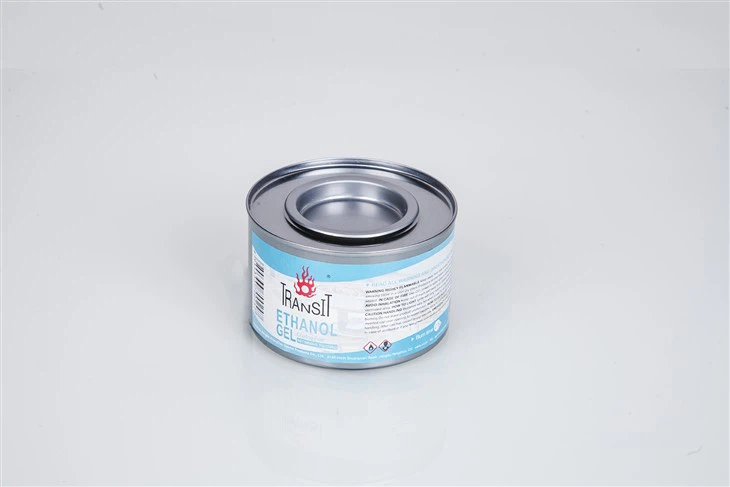
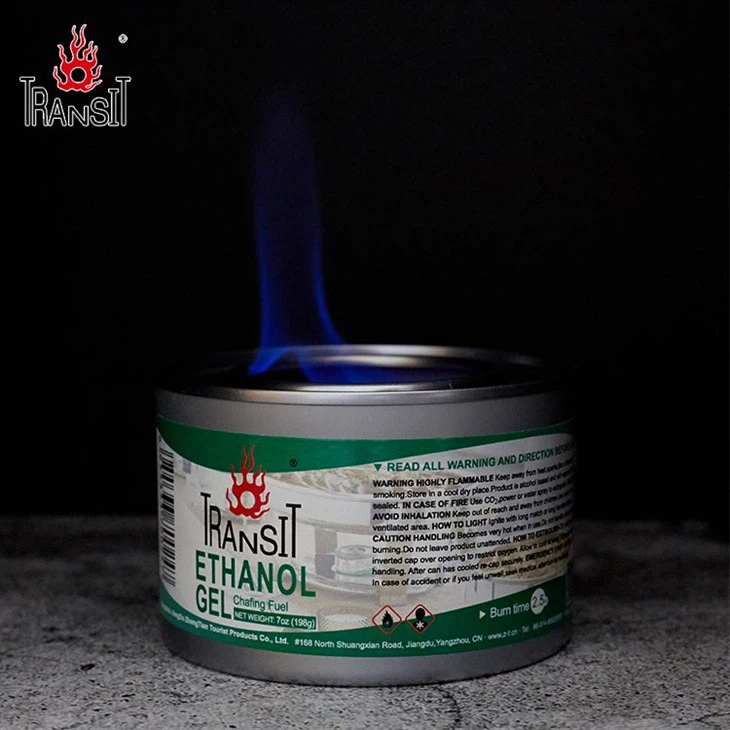
But similar to Bioethanol Fire Gel, the cost can be a deterrent for some customers. Additionally, the availability of catering fuel gel may be limited in certain regions, which can pose challenges for large - scale catering operations.
2. Propane
Propane is a well - known alternative to chafing dish fuel. It is a fossil fuel, but it burns cleaner than some other fossil fuels such as coal or oil.
Advantages
Propane provides a high - intensity heat source, which can quickly heat up chafing dishes. It is also readily available in most areas, and there are many suppliers of propane cylinders. Propane burners are often portable and easy to set up, making them a popular choice for outdoor events or mobile catering services.
Disadvantages
Propane is a non - renewable resource, and its production and use contribute to greenhouse gas emissions. Safety is also a concern. Propane cylinders need to be stored and handled carefully to prevent leaks and explosions. In addition, the initial cost of purchasing a propane burner and cylinders can be relatively high.
3. Electric Heating Elements
Electric heating elements are becoming an increasingly popular alternative to traditional chafing dish fuels.
Benefits
Electric chafing dishes are very convenient. They can be plugged into a standard electrical outlet, eliminating the need for fuel storage and handling. They are also easy to control, with adjustable temperature settings. Electric heating elements are generally safer than fuel - based systems, as there is no risk of fire from an open flame or fuel spills.
Drawbacks
The main limitation is the dependence on a power source. This can be a problem in outdoor or remote locations where electricity is not readily available. Electric chafing dishes may also consume a significant amount of electricity, which can increase operating costs, especially for long - term or large - scale use.
4. Bio Gel Fuel
Bio Gel Fuel is a unique alternative that combines the benefits of bioethanol and a gel form. It is a more environmentally friendly option compared to traditional fossil - based fuels.
Positive Aspects
Bio Gel Fuel burns cleanly, with low emissions of pollutants. It is easy to use, as it comes in a pre - measured container, and it can be easily extinguished. The gel form also provides a stable and consistent heat source, ensuring that food stays at the right temperature.
Negative Aspects
Similar to other bioethanol - based products, the cost of Bio Gel Fuel can be higher. There may also be some variability in the quality of different brands of bio gel fuel, which can affect the performance and reliability of the chafing dishes.
Comparison with Traditional Chafing Dish Fuels
Traditional chafing dish fuels, such as Sterno - type fuels, have been used for a long time and have their own set of advantages. They are relatively inexpensive and widely available. They also provide a reliable heat source for keeping food warm.
However, they have some significant drawbacks. Traditional fuels often produce smoke and odor, which can be unpleasant in indoor settings. They can also be a fire hazard if not used and stored properly. In addition, many traditional chafing dish fuels are made from non - renewable resources, which is a concern in today's environmentally conscious world.
Conclusion
In conclusion, there are several alternatives to chafing dish fuel, each with its own set of pros and cons. Bioethanol - based fuels like Bioethanol Fire Gel, Catering Fuel Gel, and Bio Gel Fuel offer clean - burning and relatively safe options, but they can be more expensive. Propane provides a high - intensity heat source but has environmental and safety concerns. Electric heating elements are convenient and safe but are limited by the availability of electricity.
As a supplier of chafing dish fuel, I understand that different customers have different needs. Whether you are looking for an environmentally friendly option, a cost - effective solution, or a high - performance heat source, there is an alternative that may suit your requirements. If you are interested in exploring these alternatives or have questions about our chafing dish fuel products, I encourage you to reach out to me for a detailed discussion and potential procurement. We can work together to find the best solution for your catering needs.
References
- Brown, J. (2020). "Renewable Energy Sources for Catering: A Review". Journal of Catering Science, 15(2), 45 - 56.
- Green, A. (2021). "Safety Considerations in Using Alternative Chafing Dish Fuels". Safety in the Hospitality Industry, 22(3), 78 - 85.
- White, S. (2019). "Cost - Benefit Analysis of Different Chafing Dish Heating Options". Hospitality Economics, 12(4), 112 - 123.