

How does methanol gel fuel compare to gasoline?
In the realm of energy sources, the comparison between methanol gel fuel and gasoline is a topic of increasing significance. As a supplier of methanol gel fuel, I am well - versed in the characteristics of both fuels and eager to share insights on how they stack up against each other.
1. Composition and Physical Properties
Gasoline is a complex mixture of hydrocarbons obtained from the fractional distillation of crude oil. It is a volatile liquid at room temperature, with a relatively low viscosity. This volatility allows it to vaporize easily, which is crucial for its combustion in internal combustion engines. The chemical composition of gasoline can vary depending on the source of the crude oil and the refining process, but it typically contains a range of alkanes, cycloalkanes, and aromatic hydrocarbons.
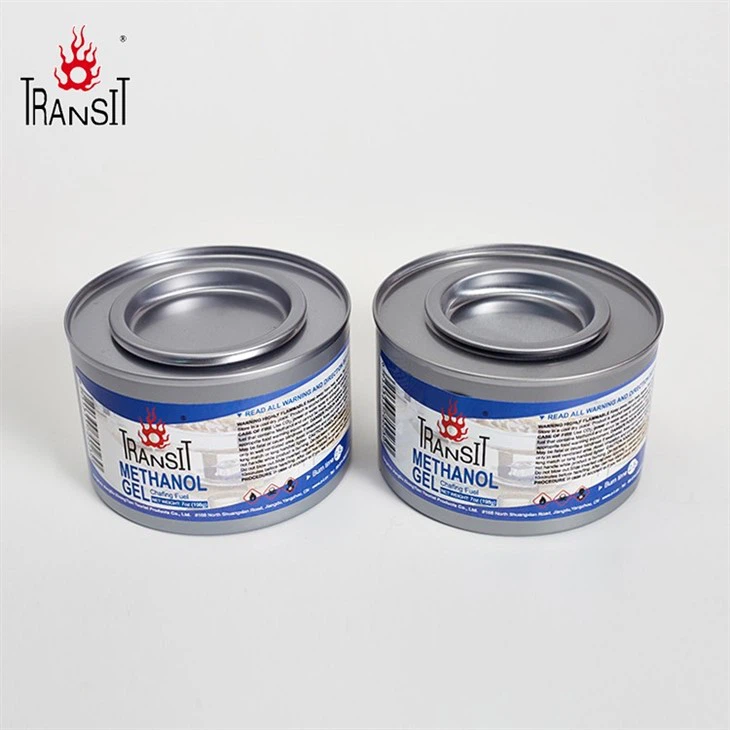
On the other hand, methanol gel fuel is primarily composed of methanol, a simple alcohol with the chemical formula CH₃OH. The gel form is achieved by adding gelling agents to methanol, which thicken the liquid into a semi - solid state. This gel structure gives methanol gel fuel several unique physical properties. Unlike gasoline, it is non - volatile in its gel form, which means it is less likely to evaporate quickly. This also makes it safer to handle and store, as there is a reduced risk of flammable vapors accumulating in enclosed spaces.
2. Energy Density
Energy density is a key factor when comparing fuels. Gasoline has a relatively high energy density, typically around 34.2 megajoules per liter (MJ/L). This high energy density is one of the main reasons why gasoline has been the dominant fuel for transportation for so long. It allows vehicles to travel long distances on a relatively small volume of fuel.
Methanol gel fuel, however, has a lower energy density compared to gasoline. Methanol itself has an energy density of about 15.6 MJ/L, and the addition of gelling agents further reduces the overall energy - carrying capacity of the gel fuel. This means that for the same volume, gasoline can provide more energy for powering engines or heating applications. But it's important to note that the lower energy density of methanol gel fuel doesn't necessarily make it a less viable option in all scenarios.

3. Combustion Characteristics
3.1 Flame and Heat Output
When it comes to combustion, gasoline burns with a relatively intense and hot flame. In internal combustion engines, this high - temperature combustion is used to generate mechanical power efficiently. The heat output from gasoline combustion is sufficient to drive pistons, power turbines, and perform other work - related functions.
Methanol gel fuel burns with a cleaner and more controlled flame. The gel structure helps to regulate the rate of combustion, resulting in a steadier and more even heat output. This makes it ideal for applications where a consistent and gentle heat source is required, such as in camping stoves or small - scale heating devices. The flame of methanol gel fuel is also less likely to cause flare - ups or sudden changes in heat intensity, providing a safer and more predictable burning experience.
3.2 Emissions
One of the significant advantages of methanol gel fuel over gasoline is its lower emissions profile. Gasoline combustion releases a variety of pollutants, including carbon monoxide (CO), nitrogen oxides (NOₓ), particulate matter (PM), and volatile organic compounds (VOCs). These pollutants contribute to air pollution, smog formation, and have negative impacts on human health.
Methanol gel fuel, on the other hand, burns more cleanly. When methanol burns, it primarily produces carbon dioxide (CO₂) and water vapor. The levels of CO, NOₓ, and PM emissions are significantly lower compared to gasoline. Additionally, methanol gel fuel is often formulated to be smokeless, which is a major benefit in indoor or confined - space applications. For example, our Handy Fuel Gel and Smokeless Solid Fuel are designed to provide a clean - burning option for various heating needs.
4. Safety
Safety is a critical consideration when choosing a fuel. Gasoline is highly flammable and volatile. It has a low flash point, which means it can ignite easily when exposed to an open flame, spark, or high - temperature source. The vapors of gasoline are also heavier than air, which can lead to the accumulation of flammable mixtures in low - lying areas. This poses a significant risk of fire and explosion, especially in poorly ventilated spaces.
Methanol gel fuel, due to its gel form, is much safer to handle. The gel structure reduces the risk of spills and splashes, and it is less likely to spread quickly in case of an accident. The non - volatile nature of the gel also means that there is a lower risk of flammable vapors being released. In addition, methanol gel fuel has a higher flash point compared to gasoline, making it more resistant to accidental ignition. Our 2 Hour Methanol Gel is formulated with safety in mind, providing a reliable and secure fuel option for consumers.
5. Cost and Availability
The cost of gasoline is subject to fluctuations in the global oil market. Factors such as geopolitical events, supply and demand dynamics, and refining costs can all impact the price of gasoline. In general, gasoline is widely available at gas stations around the world, which makes it convenient for consumers, especially for transportation purposes.
Methanol gel fuel, on the other hand, has a more stable cost structure. The production of methanol can be sourced from a variety of feedstocks, including natural gas, coal, and biomass. This diversity in feedstock sources helps to insulate the cost of methanol gel fuel from the volatility of the oil market. However, the availability of methanol gel fuel may be more limited compared to gasoline, especially in regions where there is less demand for alternative fuels.
6. Applications
Gasoline's high energy density and compatibility with internal combustion engines make it the fuel of choice for most motor vehicles, including cars, trucks, and motorcycles. It is also used in some small - engine equipment, such as lawnmowers and chainsaws.
Methanol gel fuel has a different set of applications. It is commonly used in camping stoves, where its clean - burning and easy - to - handle properties are highly valued. It is also suitable for indoor heating in small spaces, such as cabins or tents, due to its low emissions and smokeless operation. In addition, methanol gel fuel can be used in some industrial processes where a controlled and clean heat source is required.
7. Conclusion and Call to Action
In conclusion, both methanol gel fuel and gasoline have their own unique advantages and disadvantages. Gasoline excels in applications that require high energy density and high - power output, such as transportation. However, it comes with significant environmental and safety concerns. Methanol gel fuel, on the other hand, offers a cleaner, safer, and more stable - cost alternative, especially for applications where a consistent and low - emission heat source is needed.
If you are in the market for a reliable and environmentally friendly fuel source, I encourage you to consider our methanol gel fuel products. Whether you are a camping enthusiast, a small - scale business owner, or someone looking for a clean indoor heating solution, our range of methanol gel fuels can meet your needs. We are committed to providing high - quality products and excellent customer service. If you are interested in learning more about our products or would like to discuss a potential purchase, please reach out to us for further details and to start a procurement negotiation.
References
- "Fundamentals of Combustion Processes" by K. K. Kuo
- "Alternative Fuels and Advanced Vehicle Technologies for Improved Environmental Performance" by U.S. Department of Energy
- "The Chemistry of Fuels and Their Combustion" by J. M. Thomas and W. J. Thomas