
How does the burning rate of Eco Smokeless Fuel change with different altitudes?
Hey there! I'm an eco smokeless fuel supplier, and I've been getting a lot of questions lately about how the burning rate of our eco smokeless fuel changes with different altitudes. So, I thought I'd dive into this topic and share what I've learned.
First off, let's talk a bit about our eco smokeless fuel. It's a great alternative to traditional fuels. We've put a lot of effort into developing a product that burns cleanly, without all the harmful smoke and pollutants. Whether you're using it for heating, cooking, or just for a cozy fire in your backyard, our fuel is a reliable and eco - friendly choice.
Now, onto the main question: how does altitude affect the burning rate? Well, altitude plays a crucial role in the combustion process because it directly impacts the air pressure and oxygen availability. As you go higher in altitude, the air pressure decreases, and there's less oxygen in the air.
At lower altitudes, the air pressure is higher, and there's more oxygen. This means that when our eco smokeless fuel burns, it has access to a greater supply of oxygen. Oxygen is essential for combustion. The more oxygen there is, the more efficiently the fuel can burn. So, at lower altitudes, our fuel tends to burn at a relatively stable and often faster rate. The chemical reactions that occur during combustion happen more readily because there are more oxygen molecules available to react with the fuel.
On the other hand, at higher altitudes, things change. The lower air pressure and reduced oxygen levels make it more challenging for the fuel to burn. The combustion process becomes less efficient. The fuel might take longer to ignite, and once it's burning, the burning rate is slower. The flames might also be smaller and less intense compared to when the fuel is burned at lower altitudes.
Let's take a more in - depth look at the science behind this. Combustion is a chemical reaction between a fuel and oxygen. For our eco smokeless fuel, when it's exposed to a heat source (like a match or a lighter), the fuel molecules start to break apart. These broken - down molecules then react with oxygen in the air to produce heat, light, carbon dioxide, and water vapor.
At higher altitudes, the reduced oxygen concentration means that there are fewer oxygen molecules available to react with the fuel molecules. This slows down the rate of the chemical reactions. It's like trying to have a party with fewer guests. The action just doesn't happen as quickly.
Another factor to consider is the vaporization of the fuel. Our eco smokeless fuel needs to vaporize before it can burn. At lower altitudes, the higher air pressure helps to keep the fuel in a more concentrated state, making it easier for it to vaporize and burn. At higher altitudes, the lower air pressure can cause the fuel to vaporize more slowly, further contributing to the slower burning rate.
I've had some customers who've taken our fuel on camping trips to high - altitude areas. They've reported that they need to use a bit more fuel to get the same amount of heat compared to when they use it at home, which is usually at a lower altitude. This is because of the slower burning rate.
Now, you might be wondering if there are any ways to optimize the burning of our eco smokeless fuel at different altitudes. Well, one thing you can do is to make sure that the fuel has good ventilation. Even at higher altitudes, if you can provide a steady supply of fresh air to the burning fuel, it can help improve the combustion process. You can also use a larger heat source to start the ignition. A stronger initial heat can help the fuel vaporize more quickly and kick - start the combustion.
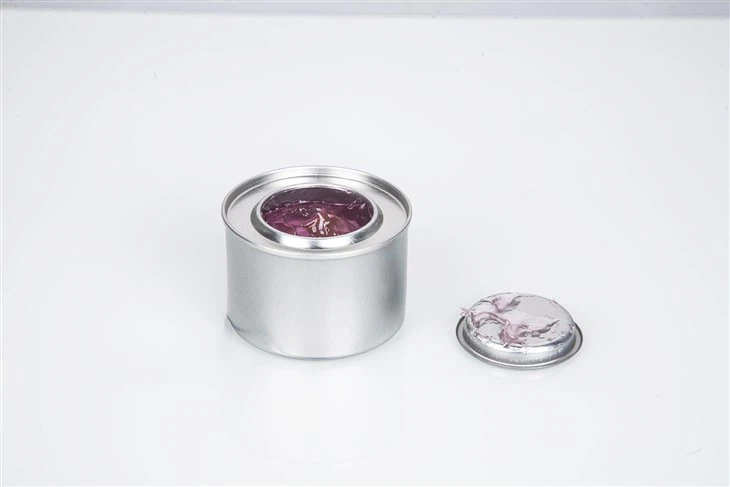
If you're interested in other types of eco - friendly fuels, we also offer Alcohol Gel Fuel, Gel Of Bio Ethanol, and Canned Heat Ethanol Gel. These fuels also have their own unique characteristics and can be great options depending on your needs.
As an eco smokeless fuel supplier, I'm always looking for ways to improve our products. We're constantly researching and testing to see how we can make our fuel perform better at different altitudes. We understand that our customers use our fuel in a variety of settings, and we want to make sure it works well no matter where they are.
If you're in the market for eco - friendly fuel, whether for personal use or for a business, I'd love to talk to you. We can discuss your specific requirements, and I can help you figure out the best fuel option for your situation. Our eco smokeless fuel is not only great for the environment but also offers a consistent and reliable source of heat.
In conclusion, altitude has a significant impact on the burning rate of our eco smokeless fuel. Lower altitudes provide a more favorable environment for combustion, with higher air pressure and more oxygen, resulting in a faster burning rate. Higher altitudes, with their lower air pressure and reduced oxygen levels, slow down the burning process. But with a few simple adjustments, you can still get great performance from our fuel at any altitude.
If you have any questions or if you're interested in purchasing our eco smokeless fuel or any of our other products, don't hesitate to reach out. We're here to help you make the best choice for your fuel needs.

References
- Principles of Combustion by Turns, S. R.
- Combustion Science and Engineering by Glassman, I.