

How does the handling safety of Eco Smokeless Fuel compare to other fuels?
Hey there! As a supplier of Eco Smokeless Fuel, I've been getting a lot of questions lately about how its handling safety stacks up against other fuels. So, I thought I'd take a deep dive into this topic and share some insights with you all.

Let's start by talking about what makes handling safety so important. When we're dealing with fuels, whether it's for home heating, cooking, or other applications, safety is always the top priority. A fuel that's difficult or dangerous to handle can pose serious risks to users, their property, and the environment. That's why understanding the handling safety of different fuels is crucial for making informed decisions.
First up, let's look at traditional fossil fuels like coal and oil. These fuels have been around for ages and have been used in a wide range of applications. However, they come with a host of handling safety issues. Coal, for example, produces a lot of dust when it's handled, which can be a respiratory hazard. The dust can also be flammable, increasing the risk of explosions in enclosed spaces. Oil, on the other hand, is a liquid that can spill easily. Spilled oil can contaminate soil and water, and it's also a fire hazard. Plus, the fumes from oil can be toxic, especially if inhaled in large quantities.
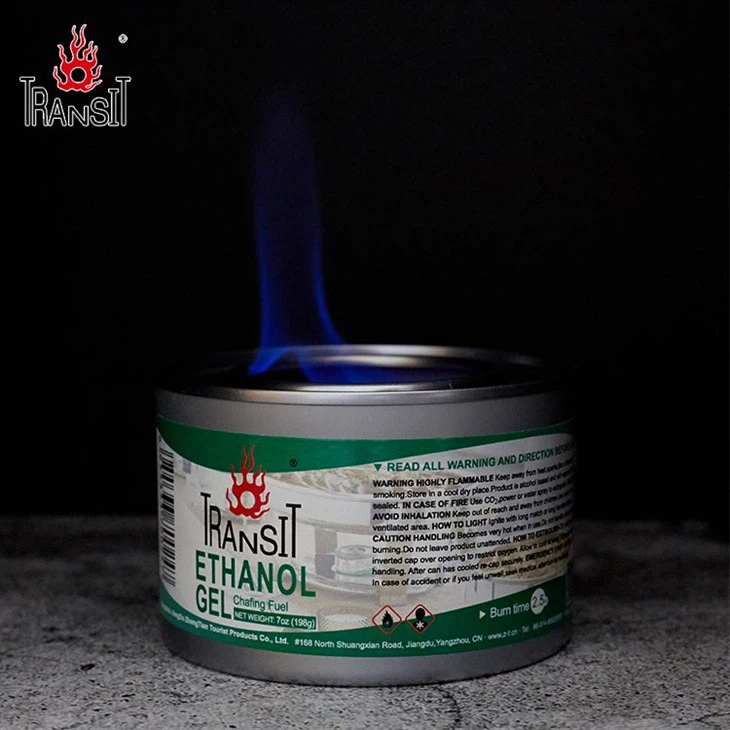
Now, let's move on to some alternative fuels. One popular option is Bio Gel Fuel. Bio Gel Fuel is a type of bioethanol gel that's often used in fireplaces and other heating applications. It's considered a relatively clean and eco - friendly fuel. However, when it comes to handling, there are still some things to watch out for. Bio Gel Fuel is flammable, so it needs to be stored and handled with care. If it's spilled, it can create a fire risk, especially if there are any open flames or heat sources nearby. Also, the gel can be sticky and difficult to clean up if it gets on surfaces.
Another alternative is Bioethanol Fire Gel. Similar to Bio Gel Fuel, Bioethanol Fire Gel is made from bioethanol and is used for creating flames in fireplaces and decorative fire features. The main handling concern with this fuel is its flammability. When the gel is ignited, it burns with a relatively clean flame, but if it's mishandled during the refilling process, there's a risk of accidental ignition. Also, like other bioethanol - based fuels, it can release some fumes when burned, which might be a concern for people with respiratory sensitivities.
Alcohol Gel Fuel is also in the same category. It's commonly used in small portable stoves and heaters. While it's convenient because it's easy to carry around, it's highly flammable. The gel form can make it a bit tricky to pour accurately, and if it spills, it can quickly catch fire. Additionally, the alcohol in the gel can evaporate over time, which means proper storage is essential to maintain its effectiveness.
So, where does Eco Smokeless Fuel fit into all of this? Well, one of the biggest advantages of Eco Smokeless Fuel is its low dust production. Unlike coal, which can create a cloud of dust when handled, our Eco Smokeless Fuel is designed to minimize dust emissions. This not only makes it safer for the user's respiratory system but also reduces the risk of dust - related fires and explosions.
In terms of flammability, Eco Smokeless Fuel has a more controlled burn rate compared to some of the other fuels we've discussed. It doesn't ignite as easily as highly flammable liquids or gels, which gives users more time to react in case of an accidental spill or mishandling. This makes it a much safer option, especially for households with children or pets.
Another great thing about Eco Smokeless Fuel is its ease of storage. It comes in a compact and stable form, which means it can be stored safely in a dry place without the risk of spillage or leakage. Unlike oil, which needs to be stored in special containers to prevent spills, our fuel is less likely to cause environmental damage if stored properly.
When it comes to transportation, Eco Smokeless Fuel is also a breeze. It doesn't require the same level of special handling as some of the more volatile fuels. You don't have to worry about the fuel leaking during transit or creating a fire hazard on the road.
And let's not forget about the environmental aspect. Eco Smokeless Fuel produces significantly fewer emissions compared to traditional fossil fuels. This means that not only are you reducing your risk of handling a dangerous fuel, but you're also doing your part for the environment.
In conclusion, when you compare the handling safety of Eco Smokeless Fuel to other fuels, it really stands out as a safer option. It addresses many of the common handling issues associated with traditional and alternative fuels, such as dust production, flammability, and ease of storage.
If you're interested in learning more about our Eco Smokeless Fuel or would like to discuss a potential purchase, I'd love to hear from you. Whether you're a homeowner looking for a safe and eco - friendly heating solution or a business in need of a reliable fuel source, we're here to help. Reach out to us, and let's start a conversation about how our Eco Smokeless Fuel can meet your needs.
References
- General knowledge about fuel safety and characteristics from industry experience.
- Information on alternative fuels from industry research and product specifications.