

How is the gel of bio - ethanol made?
Bio - ethanol gel is a revolutionary product that has gained significant popularity in recent years, especially in the fields of home heating, catering, and decorative fires. As a prominent supplier of Gel Of Bio Ethanol, I am often asked about the process of making this remarkable gel. In this blog, I will take you through the detailed steps of how the gel of bio - ethanol is made.
Understanding the Basics of Bio - Ethanol
Before delving into the gel - making process, it's essential to understand what bio - ethanol is. Bio - ethanol is a renewable, clean - burning fuel produced from the fermentation of sugars and starches found in plants such as corn, sugarcane, and wheat. Unlike traditional fossil fuels, bio - ethanol is a sustainable energy source that emits fewer greenhouse gases when burned. This makes it an environmentally friendly alternative for various applications.
Raw Materials Required
The production of bio - ethanol gel requires several key raw materials:
- Bio - Ethanol: As the primary component, high - purity bio - ethanol is essential. It typically has an alcohol content of around 95% or higher. The quality of the bio - ethanol directly affects the performance of the final gel product.
- Gelling Agents: These are substances that transform the liquid bio - ethanol into a gel form. Common gelling agents include sodium stearate, carboxymethyl cellulose (CMC), and fumed silica. Each gelling agent has its unique properties, and the choice depends on the desired characteristics of the gel, such as consistency, stability, and burning rate.
- Additives: Various additives can be incorporated to enhance the performance and safety of the bio - ethanol gel. For example, flame retardants can be added to control the burning rate and prevent excessive flames. Fragrances can also be added to give the gel a pleasant smell when burned.
The Gel - Making Process
The process of making bio - ethanol gel can be divided into several main steps:
Step 1: Preparation of the Gelling Agent Solution
The first step is to prepare a solution of the gelling agent. This involves dissolving the gelling agent in a suitable solvent, usually water or a mixture of water and alcohol. The amount of gelling agent used depends on the desired consistency of the final gel. For example, if a thicker gel is required, a higher concentration of the gelling agent will be used.
The gelling agent is slowly added to the solvent while stirring continuously. The mixture is then heated gently to facilitate the dissolution process. Once the gelling agent is completely dissolved, the solution is allowed to cool to room temperature.
Step 2: Mixing with Bio - Ethanol
After the gelling agent solution has cooled, it is slowly added to the bio - ethanol while stirring vigorously. The bio - ethanol should be in a clean and dry container. The mixing process is crucial as it ensures that the gelling agent is evenly distributed throughout the bio - ethanol, resulting in a homogeneous gel.
During the mixing process, the viscosity of the mixture gradually increases as the gelling agent interacts with the bio - ethanol. The stirring should be continued until the desired gel consistency is achieved. This may take several minutes to an hour, depending on the type and amount of gelling agent used.
Step 3: Addition of Additives
Once the basic gel structure is formed, additives can be incorporated into the mixture. Flame retardants are added in a specific proportion to control the burning rate of the gel. These additives are carefully measured and added to the gel while stirring.
Fragrances, if desired, can also be added at this stage. They are typically added in small amounts to avoid overpowering the natural smell of the bio - ethanol. The mixture is then stirred for a few more minutes to ensure that the additives are evenly distributed.
Step 4: Quality Control and Packaging
After the gel is fully prepared, it undergoes a series of quality control tests. These tests include checking the consistency, burning rate, and stability of the gel. Samples are taken and tested in a controlled environment to ensure that the product meets the required standards.
Once the gel passes the quality control tests, it is ready for packaging. The gel is usually packaged in containers made of plastic or metal, depending on the intended use. The containers are sealed tightly to prevent leakage and evaporation of the bio - ethanol.
Applications of Bio - Ethanol Gel
Bio - ethanol gel has a wide range of applications:
- Home Heating and Decoration: It can be used in bio - ethanol fireplaces, which provide a clean and convenient source of heat. These fireplaces are also popular for their decorative value, as they create a warm and inviting atmosphere. You can learn more about Bioethanol Fire Gel on our website.
- Catering: Bio - ethanol gel is an excellent fuel for catering purposes. It is commonly used in Catering Fuel Gel for keeping food warm in chafing dishes. The gel burns cleanly and evenly, ensuring that the food remains at the desired temperature without any unpleasant odors.
- Outdoor Activities: It is also suitable for outdoor activities such as camping and picnics. Portable bio - ethanol gel stoves are lightweight and easy to use, making them a popular choice for outdoor enthusiasts.
Advantages of Bio - Ethanol Gel
There are several advantages to using bio - ethanol gel:
- Environmental Friendliness: As mentioned earlier, bio - ethanol is a renewable energy source that produces fewer emissions compared to fossil fuels. This makes bio - ethanol gel a more sustainable option for heating and cooking.
- Safety: Bio - ethanol gel is relatively safe to use. It has a lower risk of spillage and fire compared to liquid fuels, as it is in a gel form. Additionally, the addition of flame retardants further enhances its safety.
- Convenience: The gel is easy to store and transport. It can be simply placed in a container and used whenever needed. There is no need for complex fuel systems or refilling procedures.
Conclusion
The production of bio - ethanol gel is a carefully controlled process that involves the use of high - quality raw materials and precise manufacturing techniques. As a supplier of Gel Of Bio Ethanol, we are committed to providing our customers with the best - quality products that meet their specific needs.
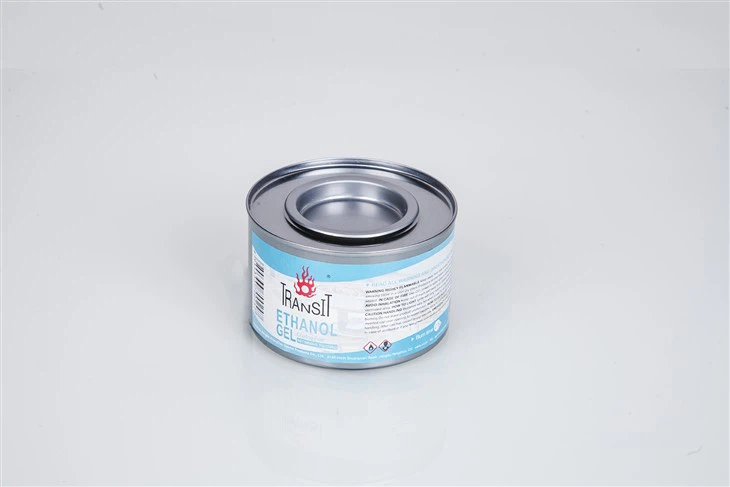
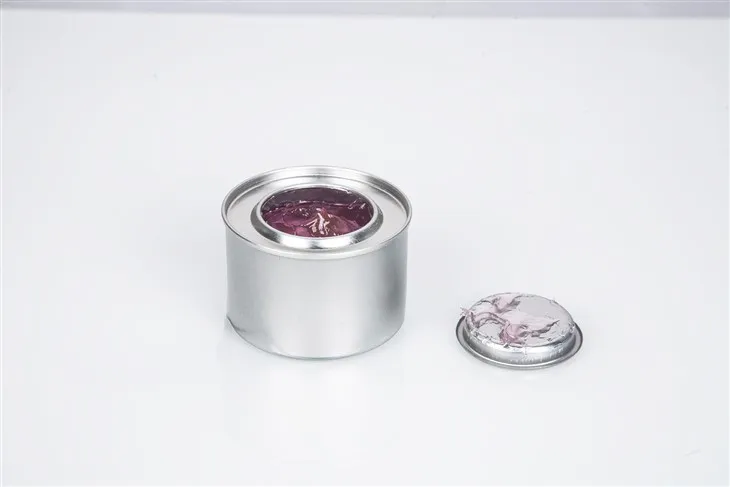
Whether you are looking for a clean and efficient fuel for your home fireplace, catering business, or outdoor activities, bio - ethanol gel is an excellent choice. If you are interested in purchasing our bio - ethanol gel products or have any questions about our offerings, please feel free to contact us for a detailed discussion. We look forward to serving you and helping you find the perfect bio - ethanol gel solution for your requirements.
References
- Smith, J. (2020). Bio - Ethanol: A Renewable Energy Source. Journal of Sustainable Energy, 15(2), 45 - 52.
- Brown, A. (2019). The Chemistry of Gelling Agents in Bio - Ethanol Products. Chemical Review, 22(3), 78 - 85.
- Green, C. (2021). Applications of Bio - Ethanol Gel in Modern Society. Energy and Environment Journal, 30(1), 12 - 20.