

How should I store Eco Smokeless Fuel?
As a supplier of Eco Smokeless Fuel, I understand the importance of proper storage to maintain the quality and safety of the product. In this blog post, I will share some essential guidelines on how to store Eco Smokeless Fuel effectively.
Understanding Eco Smokeless Fuel
Eco Smokeless Fuel is a clean - burning alternative to traditional fuels. It is designed to produce minimal smoke and pollutants, making it an environmentally friendly choice for various heating applications. This fuel is often used in fireplaces, stoves, and outdoor heating devices. Its composition typically includes a blend of bio - based materials and additives that enhance its combustion properties.
Ideal Storage Conditions
Temperature
The storage temperature plays a crucial role in preserving the quality of Eco Smokeless Fuel. The ideal temperature range for storing this fuel is between 10°C and 30°C (50°F - 86°F). Extreme temperatures can have a negative impact on the fuel.

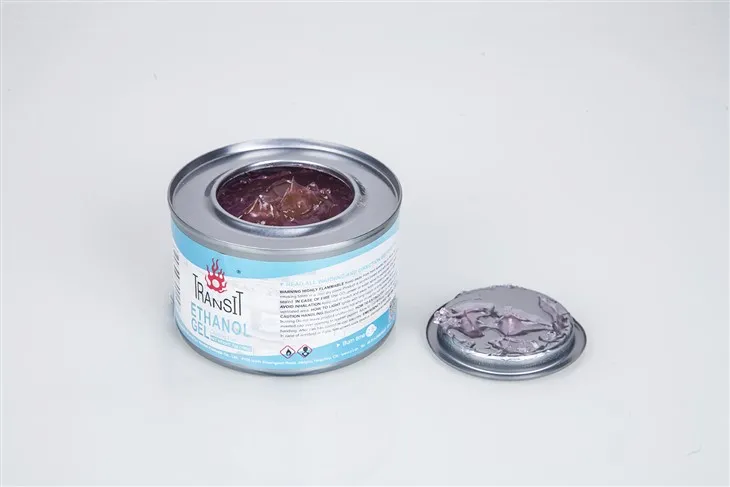
If the temperature is too low, below 10°C, the fuel may become more viscous. This can make it difficult to ignite and may also affect its combustion efficiency. On the other hand, if the temperature exceeds 30°C, there is a risk of the fuel evaporating more quickly, leading to a loss of volume and potentially reducing its energy content.
Humidity
Humidity levels should be kept relatively low. High humidity can cause the fuel to absorb moisture, which can lead to clumping. Clumped fuel is not only difficult to handle but also burns less efficiently. Aim for a humidity level of less than 60%. To control humidity in the storage area, you can use dehumidifiers if necessary.
Ventilation
Proper ventilation is essential when storing Eco Smokeless Fuel. Good ventilation helps to prevent the buildup of any potentially harmful vapors that may be released from the fuel. It also helps to maintain a stable temperature and humidity within the storage area.
A well - ventilated storage space should have air exchange at least every few hours. You can achieve this by installing vents or fans in the storage room. However, make sure that the ventilation system does not create drafts that could blow dust or debris onto the fuel.
Storage Containers
The choice of storage container is critical for keeping the fuel in good condition.
Material
Use containers made of high - density polyethylene (HDPE) or metal. HDPE containers are lightweight, resistant to corrosion, and can prevent the fuel from leaking. Metal containers, on the other hand, are more durable and can offer better protection against physical damage. Avoid using containers made of materials that are prone to chemical reactions with the fuel, such as some types of plastic that may dissolve or degrade over time.
Sealing
The containers must have a tight - fitting lid to prevent air, moisture, and dust from entering. A good seal also helps to reduce the risk of evaporation. Before storing the fuel in the container, make sure the lid is clean and free of any debris that could prevent a proper seal.
Labeling
Each container should be clearly labeled with the name of the fuel, the date of storage, and any relevant safety information. This makes it easier to manage the inventory and ensures that users are aware of the contents and potential hazards.
Storage Location
Indoor vs. Outdoor
Indoor storage is generally preferred for Eco Smokeless Fuel. Indoor locations offer better protection from the elements, such as rain, snow, and extreme temperature fluctuations. However, if you choose to store the fuel outdoors, make sure it is in a covered and well - ventilated area, such as a shed or a storage cabinet.
Away from Ignition Sources
Keep the fuel storage area at least 10 feet away from any ignition sources, including heaters, open flames, electrical appliances, and smoking areas. This reduces the risk of accidental ignition and potential fires.
Elevated Position
Store the containers on an elevated platform or rack. This helps to prevent the fuel from coming into contact with any water that may accumulate on the floor. It also makes it easier to inspect the containers for leaks and to move them around if necessary.
Safety Precautions
Fire Safety
Install fire extinguishers in the storage area. Make sure they are appropriate for fighting fuel - related fires, such as Class B fire extinguishers. Regularly check the fire extinguishers to ensure they are in working condition.
Spill Containment
Have spill - containment materials on hand, such as absorbent pads or sand. In case of a spill, quickly contain the fuel to prevent it from spreading and causing a fire hazard. Clean up the spill immediately and dispose of the contaminated materials properly.
Personal Protective Equipment (PPE)
When handling the fuel, wear appropriate PPE, such as gloves and safety glasses. This protects you from potential skin and eye irritation caused by the fuel.
Related Products and Their Storage
In addition to Eco Smokeless Fuel, we also offer other related products such as Canned Heat Ethanol Gel, Gel Of Bio Ethanol, and Chafing Dish Fuel.
These products also require proper storage. Similar to Eco Smokeless Fuel, they should be stored in a cool, dry, and well - ventilated place. However, they may have specific storage requirements due to their different compositions. For example, ethanol - based products are more flammable, so extra care should be taken to keep them away from ignition sources.
Contact for Purchase and Discussion
If you are interested in purchasing our Eco Smokeless Fuel or any of our related products, or if you have any questions about storage or other aspects of our products, please feel free to reach out. We are always ready to have in - depth discussions with you to meet your specific needs.
References
- "Fuel Storage Guidelines", National Fire Protection Association.
- "Best Practices for Bio - Based Fuel Storage", Environmental Protection Agency.