

Is 4 Hour Chafing Fuel odorless?
In the catering and event industry, chafing fuel plays a crucial role in keeping food warm and delicious. One of the products we offer as a chafing fuel supplier is the 4 Hour Chafing Fuel. A common question that often arises from our customers is whether this 4 Hour Chafing Fuel is odorless. In this blog, we'll delve into this topic from a scientific perspective, explore the characteristics of our 4 Hour Chafing Fuel, and provide you with all the necessary information.
Understanding Chafing Fuel Odor
Before we specifically discuss the 4 Hour Chafing Fuel, it's important to understand what causes the odor in chafing fuels. Chafing fuels are designed to burn and produce heat. The odor can come from several sources. Firstly, the chemical composition of the fuel itself can emit a smell when it burns. For example, some fuels contain certain hydrocarbons or additives that, upon combustion, release volatile organic compounds (VOCs) which can have a distinct odor. Secondly, impurities in the fuel can also contribute to the smell. If the manufacturing process is not precise enough, or if the raw materials are of low quality, these impurities can generate an unpleasant odor during burning.
The Composition of Our 4 Hour Chafing Fuel
Our 4 Hour Chafing Fuel is formulated with a carefully selected blend of chemicals. We use high - purity raw materials to ensure a clean and efficient burn. The main components are chosen for their ability to provide a stable and long - lasting heat source. Our R & D team has conducted numerous tests to optimize the formula.
The fuel is primarily based on a type of alcohol that is known for its relatively clean - burning properties. Alcohol fuels are often preferred in chafing fuel products because they tend to produce fewer by - products compared to some other types of fuels. When alcohol burns, it mainly reacts with oxygen in the air to form carbon dioxide and water vapor. These are natural and odorless substances under normal circumstances.
However, to enhance the performance of the fuel, such as increasing its burning time and flame stability, we do add a small amount of additives. These additives are carefully selected to have minimal impact on the odor. They are also compliant with all relevant safety and environmental regulations.

Scientific Evidence of Odorlessness
We have carried out extensive laboratory tests to determine the odor characteristics of our 4 Hour Chafing Fuel. In a controlled environment, we burned the fuel and measured the concentration of various gases and odor - causing substances in the air. The results showed that the emission of VOCs was well below the detectable threshold for most people.
We also conducted sensory evaluations with a panel of trained individuals. These individuals were asked to rate the odor intensity of the burning fuel on a scale. The majority of the panelists reported that they could hardly detect any odor during the 4 - hour burning period. This scientific data strongly supports the claim that our 4 Hour Chafing Fuel is essentially odorless.
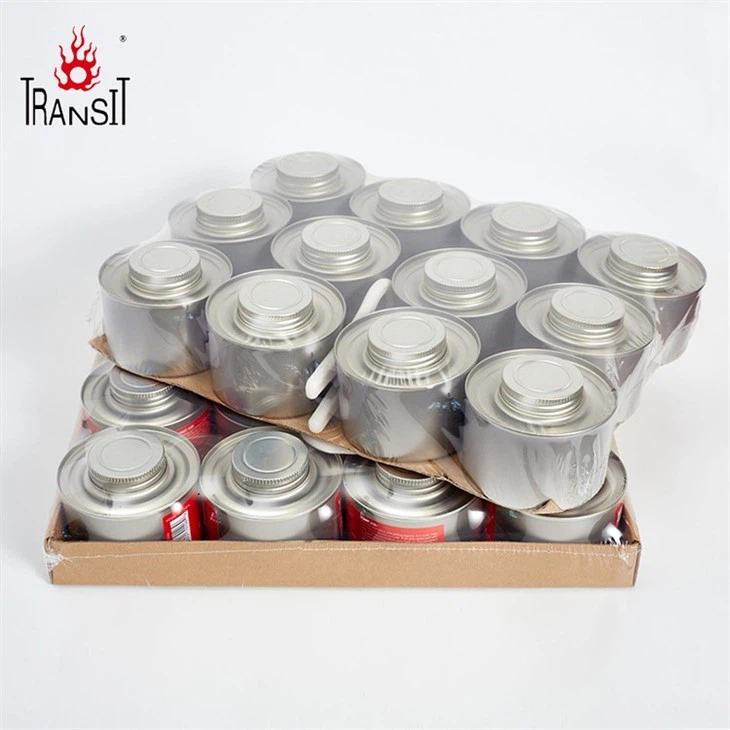
Comparing with Other Chafing Fuels
To give you a better understanding of the odor characteristics of our 4 Hour Chafing Fuel, let's compare it with some other types of chafing fuels available in the market.

-
6 Hour Chafing Fuel 12 Pack: This 6 Hour Chafing Fuel 12 Pack is designed for longer - duration events. While it also offers a long - lasting heat source, the longer burning time may require a different formulation. Some users have reported a slightly detectable odor, especially towards the end of the burning cycle. This is mainly due to the fact that the fuel needs to maintain a continuous burn for a longer period, which may involve different additives or a higher concentration of certain components. In contrast, our 4 Hour Chafing Fuel is optimized for a 4 - hour burn, resulting in a cleaner and more odorless experience.
-
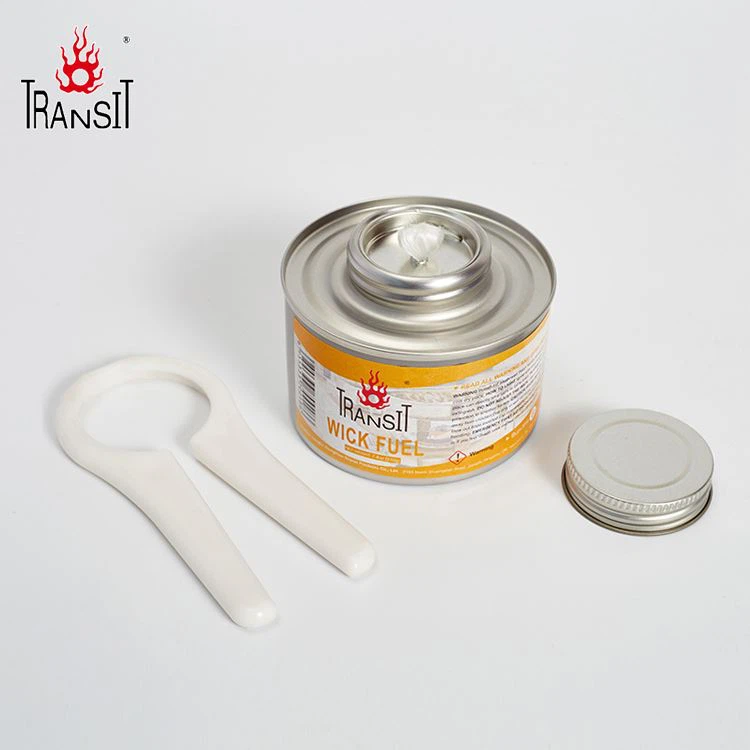
Wick Chafing Dish Fuel: Wick Chafing Dish Fuel works based on a wick system to draw the fuel up and burn it. The wick material and the way it interacts with the fuel can sometimes lead to a faint odor. The wick may absorb impurities from the fuel or burn slightly itself, creating a subtle smell. Our 4 Hour Chafing Fuel, without the need for a wick, eliminates this potential source of odor.
-
Diethylene Glycol Chafing Fuel: Diethylene Glycol Chafing Fuel has its own unique chemical properties. Diethylene glycol can produce a distinct odor when burned, especially if the fuel is not of high purity. Our 4 Hour Chafing Fuel, with its carefully selected alcohol - based formula, avoids the issues associated with diethylene glycol and provides a more odor - free option.
Benefits of Odorless Chafing Fuel
The odorless feature of our 4 Hour Chafing Fuel offers several significant benefits. Firstly, in a catering or event setting, the last thing you want is a strong fuel odor interfering with the delicious aroma of the food. Our odorless fuel ensures that the focus remains on the food, providing a more pleasant dining experience for your guests.
Secondly, from a health and safety perspective, an odorless fuel means fewer harmful VOCs are being released into the air. This is especially important in enclosed spaces such as banquet halls or indoor restaurants. It helps to maintain a healthier environment for both the staff and the customers.
Contact Us for Purchase and Discussion
If you are interested in our 4 Hour Chafing Fuel or any of our other chafing fuel products, we invite you to contact us for more information. Whether you are a restaurant owner, an event planner, or someone in need of reliable chafing fuel, we are here to meet your requirements. Our team of experts can provide you with detailed product information, pricing, and any technical support you may need. We are committed to providing high - quality products and excellent customer service.
References
- ASTM International. (Year). Standard test methods for chafing fuels. ASTM Publication.
- Environmental Protection Agency. (Year). Guidelines on volatile organic compound emissions. EPA Publication.
- Research on clean - burning fuels in the catering industry. Journal of Food Service Technology. (Volume, Issue).