

Is alcohol gel fuel resistant to oxidation?
Hey there! I'm an alcohol gel fuel supplier, and today I wanna dive into a question that often comes up: Is alcohol gel fuel resistant to oxidation?
First off, let's understand what oxidation is. Oxidation is basically a chemical reaction where a substance loses electrons. In the context of fuel, it can lead to changes in the fuel's properties over time. For example, it might cause the fuel to break down, change its consistency, or even affect its burning performance.
So, is alcohol gel fuel resistant to oxidation? Well, it depends on a few factors. Alcohol gel fuels are typically made from a mixture of alcohol (usually ethanol) and a gelling agent. Ethanol itself has some natural resistance to oxidation. It's a relatively stable compound, and under normal conditions, it doesn't oxidize very quickly.
The gelling agent, on the other hand, can play a role in the fuel's oxidation resistance. Some gelling agents are more stable than others and can help protect the alcohol from oxidation. For instance, certain polymers used as gelling agents form a protective layer around the alcohol molecules, reducing their exposure to oxygen.
But it's not all sunshine and rainbows. If the alcohol gel fuel is exposed to high temperatures, humidity, or air for extended periods, oxidation can still occur. High temperatures can speed up the oxidation reaction, causing the fuel to degrade faster. Humidity can also have a negative impact, as water can react with the alcohol and the gelling agent, leading to changes in the fuel's properties.
Let's talk about the practical implications of oxidation in alcohol gel fuel. If the fuel oxidizes, it might start to smell bad. You know that unpleasant, sour odor? That's a sign that oxidation is taking place. The fuel might also become less effective at burning. It could burn less evenly, produce more smoke, or even go out prematurely.
As a supplier, I've seen firsthand the importance of proper storage and handling to minimize oxidation. We always recommend storing our Gel Chafing Fuel in a cool, dry place, away from direct sunlight and heat sources. Sealing the containers tightly is also crucial to prevent air from getting in and accelerating the oxidation process.
Now, let's compare alcohol gel fuel to other types of fuels in terms of oxidation resistance. Compared to some traditional liquid fuels, alcohol gel fuel generally has better oxidation resistance. Liquid fuels are more exposed to air, and they can easily evaporate, which can increase the rate of oxidation. Gel fuels, on the other hand, are more viscous and less likely to evaporate, providing some protection against oxidation.
But when compared to some solid fuels, the picture gets a bit more complicated. Solid fuels like charcoal or wood can be very resistant to oxidation because they are in a more stable form. However, they also have their own set of drawbacks, such as producing more ash and being more difficult to ignite.
Another aspect to consider is the environmental impact of oxidation. When alcohol gel fuel oxidizes, it releases some by-products into the environment. While these by-products are generally less harmful than those produced by some other fuels, it's still important to minimize oxidation to reduce our environmental footprint.
In the market, there are different brands and formulations of alcohol gel fuel, and their oxidation resistance can vary. Some manufacturers use special additives to enhance the fuel's oxidation resistance. These additives can work by scavenging free radicals or forming a protective barrier around the fuel molecules.

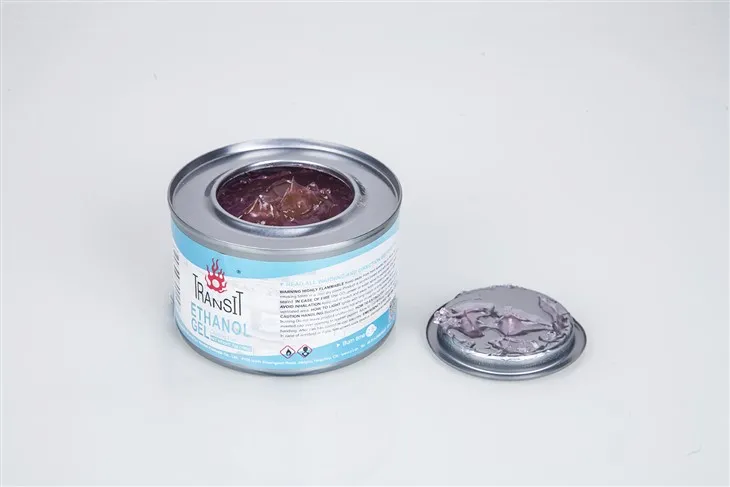
As a supplier, we're constantly working on improving the oxidation resistance of our Bioethanol Fire Gel. We invest in research and development to find the best gelling agents and additives that can provide long-lasting protection against oxidation.
We also conduct regular quality control tests to ensure that our fuel meets the highest standards. We test for oxidation stability, burning performance, and other important properties. This way, we can guarantee that our customers are getting a high-quality product that will perform well over time.
Now, if you're in the market for alcohol gel fuel, you might be wondering how to choose a product with good oxidation resistance. Here are a few tips. First, look for products from reputable manufacturers. Reputable manufacturers are more likely to use high-quality ingredients and have strict quality control measures in place.
Second, check the product's label for information about oxidation resistance. Some manufacturers will specify the expected shelf life and oxidation stability of their fuel. This can give you a good idea of how long the fuel will last before it starts to oxidize.
Finally, consider the price. While it's true that you often get what you pay for, don't assume that the most expensive product is always the best. Sometimes, mid-range products can offer a good balance between quality and price.
In conclusion, alcohol gel fuel can have good oxidation resistance, but it's not completely immune to oxidation. Proper storage and handling are key to maintaining the fuel's quality and performance. As a supplier, we're committed to providing our customers with high-quality Gel Of Bio Ethanol that has excellent oxidation resistance.
If you're interested in purchasing alcohol gel fuel for your business or personal use, I'd love to hear from you. Whether you're a restaurant owner looking for a reliable chafing fuel or a homeowner wanting to add a touch of ambiance with a bioethanol fire gel, we've got you covered. Just reach out, and we can start a conversation about your specific needs and how our products can meet them.
References
- Chemistry textbooks on oxidation reactions
- Industry reports on fuel stability
- Internal research and development data from our company