

Is Buffet Fuel environmentally friendly?
Is Buffet Fuel environmentally friendly?
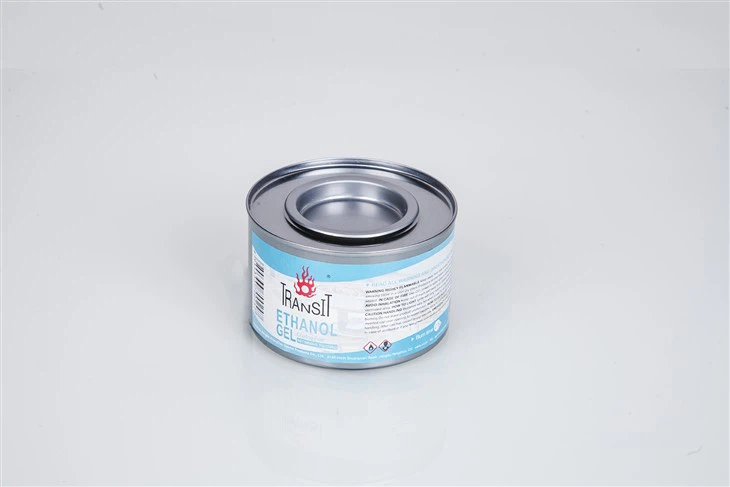

As a supplier of Buffet Fuel, I often encounter questions from customers regarding the environmental friendliness of our product. This topic is not only relevant to our business but also to the broader goal of sustainable living. In this blog post, I aim to explore the environmental aspects of Buffet Fuel, examining its production, use, and overall impact on the environment.
What is Buffet Fuel?
Buffet Fuel is a type of fuel commonly used in buffet setups to keep food warm. It typically comes in the form of a gel, which makes it easy to handle and control the flame. The most common types of Buffet Fuel are alcohol - based, such as Alcohol Gel Fuel. Alcohol gel fuels are popular because they burn cleanly and provide a consistent source of heat.
Production of Buffet Fuel
The production process of Buffet Fuel can have significant environmental implications. For alcohol - based Buffet Fuels, the main raw material is usually ethanol. Ethanol can be produced from various sources, including corn, sugarcane, and other biomass. When ethanol is produced from renewable biomass sources, it is often referred to as bioethanol.
Bioethanol production has some environmental benefits. Biomass crops absorb carbon dioxide from the atmosphere during their growth, which can offset the carbon emissions produced when the bioethanol is burned. For example, sugarcane is a highly efficient crop for bioethanol production. It grows quickly and can sequester large amounts of carbon dioxide. However, the production of bioethanol also has its drawbacks.
The cultivation of biomass crops for bioethanol production requires land, water, and fertilizers. Large - scale monoculture farming for bioethanol can lead to deforestation, loss of biodiversity, and soil degradation. Additionally, the use of fertilizers and pesticides in crop cultivation can contaminate water sources and harm the environment.
In our production process, we are committed to using sustainable sources of bioethanol. We work with suppliers who follow strict environmental standards in the cultivation of biomass crops. We also ensure that our production facilities are energy - efficient and minimize waste generation.
Combustion and Emissions
One of the key factors in determining the environmental friendliness of Buffet Fuel is its combustion process and the emissions it produces. Alcohol - based Buffet Fuels, such as Bioethanol Fire Gel and Gel Of Bio Ethanol, generally burn cleaner than traditional fossil fuels.
When bioethanol burns, it primarily produces carbon dioxide and water vapor. The carbon dioxide released during combustion is part of the natural carbon cycle, as the biomass crops that produced the bioethanol absorbed carbon dioxide during their growth. In contrast, fossil fuels such as coal, oil, and gas release carbon that has been stored underground for millions of years, contributing to an increase in atmospheric carbon dioxide levels and global warming.
However, the combustion of bioethanol is not completely emission - free. Incomplete combustion can occur, especially if the fuel is not burned under optimal conditions. Incomplete combustion can produce carbon monoxide, a toxic gas, as well as particulate matter. To minimize these emissions, our Buffet Fuels are formulated to ensure complete combustion. We also provide customers with guidelines on proper usage to ensure that the fuel burns efficiently.
Waste and Disposal
Another aspect of the environmental impact of Buffet Fuel is its waste and disposal. Our Buffet Fuel comes in containers that are designed to be reusable or recyclable. We encourage our customers to return the empty containers to us for proper recycling or reuse.
In addition, the gel - based nature of our Buffet Fuel means that there is minimal spillage during use. In the event of a spill, the gel can be easily cleaned up, reducing the risk of environmental contamination.
Comparing Buffet Fuel with Other Options
When considering the environmental friendliness of Buffet Fuel, it is important to compare it with other fuel options commonly used in buffet setups. Traditional options such as canned heat, which often use a mixture of paraffin and other chemicals, can produce more harmful emissions during combustion. Paraffin - based fuels can release volatile organic compounds (VOCs) and particulate matter, which can have negative health effects and contribute to air pollution.
Electric heating systems are another alternative. While electric heating systems do not produce direct emissions at the point of use, the electricity they consume is often generated from fossil fuels. If the electricity comes from a coal - fired power plant, the overall carbon footprint of using an electric heating system can be significant.
In comparison, our Buffet Fuel, especially the bioethanol - based ones, offer a more environmentally friendly option. They have a lower carbon footprint and produce fewer harmful emissions compared to many traditional fuel options.
Conclusion
In conclusion, Buffet Fuel can be an environmentally friendly option, especially when it is based on bioethanol. The use of renewable biomass sources for bioethanol production can help reduce carbon emissions and contribute to a more sustainable energy future. However, there are still challenges in the production and use of Buffet Fuel, such as the environmental impact of biomass cultivation and the need to ensure complete combustion to minimize emissions.
As a supplier, we are constantly working to improve the environmental performance of our Buffet Fuel. We are investing in research and development to find more sustainable production methods and improve the efficiency of our fuels. We also educate our customers on the proper use and disposal of our products to minimize their environmental impact.
If you are interested in learning more about our Buffet Fuel or would like to discuss potential procurement, please feel free to reach out. We are happy to provide you with more information and answer any questions you may have.
References
- Demirbas, A. (2009). Biofuels sources, biofuel policy, biofuel economy and global biofuel projections. Energy Conversion and Management, 50(6), 1479 - 1493.
- Hill, J., Nelson, E., Tilman, D., Polasky, S., & Tiffany, D. (2006). Environmental, economic, and energetic costs and benefits of biodiesel and ethanol biofuels. Proceedings of the National Academy of Sciences, 103(30), 11206 - 11210.
- Searchinger, T., Heimlich, R., Houghton, R. A., Dong, F., Elobeid, A., Fabiosa, J.,... & Yu, T. H. (2008). Use of U.S. croplands for biofuels increases greenhouse gases through emissions from land - use change. Science, 319(5867), 1238 - 1240.