

Is chafing dish fuel affected by high humidity?
Is chafing dish fuel affected by high humidity?
As a supplier of Chafing Dish Fuel, I've received numerous inquiries from customers regarding the impact of high humidity on our products. In this blog, I'll delve into the science behind how humidity can influence chafing dish fuel, drawing on industry knowledge and practical experience.
Understanding Chafing Dish Fuel
Before discussing the effects of humidity, it's essential to understand the different types of chafing dish fuel available. There are primarily two common types: liquid and gel fuels.
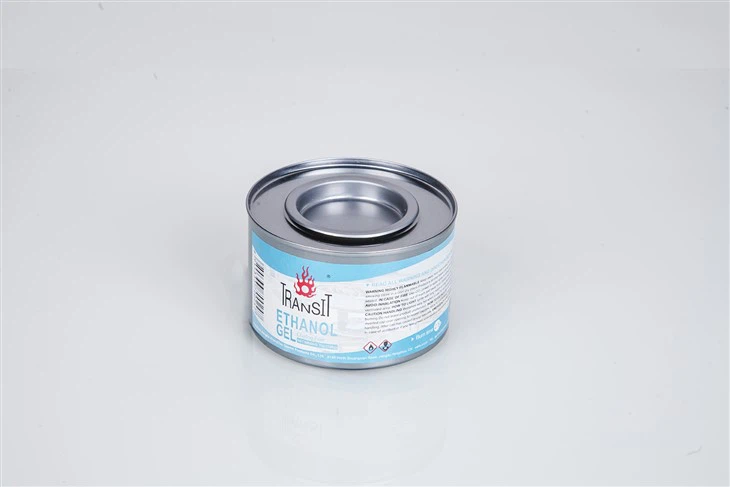
Liquid fuels, often made from alcohol - based compounds, are known for their clean - burning properties. They are typically easy to ignite and provide a consistent heat source. On the other hand, Gel Chafing Fuel is a popular choice due to its safety features. It doesn't spill easily, making it ideal for use in various settings, especially in environments where there might be accidental knocks or movements. Another option is Eco Smokeless Fuel, which is designed to burn without producing excessive smoke, perfect for indoor use.
How Humidity Affects Chafing Dish Fuel
Impact on Combustion Efficiency
High humidity means there is a large amount of water vapor in the air. Water is not a combustible substance. When it comes into contact with chafing dish fuel, it can interfere with the combustion process. For liquid fuels, the presence of water vapor can dilute the fuel to some extent. The water molecules can get in between the fuel molecules, reducing the concentration of the combustible components. As a result, the fuel may burn less efficiently, producing less heat.
In the case of gel fuels, the high - humidity environment can cause the gel to absorb moisture. This absorption can change the physical properties of the gel. The gel may become softer and more diluted, which can lead to uneven burning. The flame may flicker or burn at a lower intensity than normal, as the water in the gel disrupts the smooth release and combustion of the fuel.

Storage Considerations
Humidity also plays a crucial role in fuel storage. If chafing dish fuel is stored in a high - humidity environment, it can lead to long - term degradation. For example, liquid fuels stored in containers may start to corrode the container if the humidity causes moisture to accumulate inside. This corrosion can not only damage the container but also contaminate the fuel.
Gel fuels stored in high - humidity conditions may experience a change in their chemical composition over time. The absorbed moisture can trigger chemical reactions within the gel, leading to a breakdown of some of the components. This can reduce the shelf life of the fuel and make it less effective when it comes time to use it.
Safety Concerns
High humidity can pose safety risks when using chafing dish fuel. If the fuel is not burning efficiently due to the presence of moisture, it may produce more unburned fuel vapors. These vapors can be flammable and may accumulate in the surrounding area. In a confined space, this can increase the risk of a fire or explosion.
Moreover, if the fuel is stored in a humid environment and the container is damaged due to corrosion, there is a risk of fuel leakage. Spilled fuel can create a fire hazard, especially if it comes into contact with an ignition source.
Mitigating the Effects of High Humidity
Proper Storage
To minimize the impact of high humidity on chafing dish fuel, proper storage is key. Store the fuel in a cool, dry place with low humidity. Using air - tight containers can also help prevent moisture from getting in. If possible, use desiccants in the storage area to absorb any excess moisture.
Pre - use Checks
Before using the fuel, it's a good practice to check its condition. For liquid fuels, look for any signs of water contamination, such as a cloudy appearance or separation of layers. For gel fuels, check for any changes in texture or consistency. If the fuel shows signs of being affected by humidity, it may be best to replace it to ensure optimal performance and safety.
Using Humidity - Resistant Products
Some chafing dish fuels are designed to be more resistant to the effects of humidity. Chafing Dish Fuel products that have been formulated with advanced additives can better withstand high - humidity conditions. These additives can help maintain the fuel's combustion efficiency and stability even in a moist environment.
Conclusion
In conclusion, high humidity can have a significant impact on chafing dish fuel. It can affect combustion efficiency, storage, and safety. However, by understanding these effects and taking appropriate measures, such as proper storage and using humidity - resistant products, we can minimize the negative consequences.
As a trusted supplier of Chafing Dish Fuel, we are committed to providing high - quality products that can perform well in various environmental conditions. Whether you are a restaurant owner, an event planner, or an individual looking for a reliable fuel source for your chafing dishes, we have the right solution for you.
If you are interested in learning more about our products or would like to discuss your specific needs, please feel free to reach out. We are always here to assist you with your chafing dish fuel requirements and ensure a smooth and efficient experience.
References
- "Combustion Science and Engineering" by Turns, S. R.
- "Fuel Technology Handbook" edited by Gary, J. H., Handwerk, G. E., and Kaiser, M. J.