
What are the fire ratings of liquid chafing fuel?
As a seasoned supplier of Liquid Chafing Fuel, I've encountered numerous inquiries regarding the fire ratings of these essential products. Fire ratings are crucial as they offer insights into the safety, performance, and suitability of a fuel for specific applications. In this blog, I'll delve deep into the fire ratings of liquid chafing fuel, shedding light on what they mean and how they impact your choice.
Understanding Fire Ratings
Fire ratings are standardized assessments that evaluate how a product behaves under fire conditions. They are determined through rigorous testing procedures conducted by recognized organizations. These ratings provide a clear indication of a fuel's flammability, burn rate, and potential fire hazards. For liquid chafing fuel, the fire rating helps users understand how the fuel will perform in a chafing dish setup and what safety measures should be in place.
The most common fire ratings for liquid chafing fuel are based on the flash point and fire point. The flash point is the lowest temperature at which a liquid gives off enough vapor to form an ignitable mixture with air near the surface of the liquid. The fire point, on the other hand, is the lowest temperature at which the vapor continues to burn after ignition. A higher flash point and fire point generally indicate a safer fuel, as it is less likely to ignite accidentally.
Factors Affecting Fire Ratings
Several factors can influence the fire ratings of liquid chafing fuel. The chemical composition of the fuel is a primary determinant. Different types of fuels, such as ethanol-based, methanol-based, or proprietary blends, have varying flash and fire points. Ethanol-based fuels, for example, typically have a relatively high flash point, making them a popular choice for their safety.
The purity of the fuel also plays a role. Impurities can lower the flash point and increase the risk of ignition. High-quality liquid chafing fuels are refined to remove impurities, ensuring a more consistent and safe performance. Additionally, the presence of additives can affect the fire rating. Some additives are designed to improve the burn rate or reduce odor, but they must be carefully formulated to maintain the fuel's safety profile.
Our Product Line and Fire Ratings
At our company, we offer a range of liquid chafing fuels with excellent fire ratings. Our Handy Wick Chafing Fuel is a popular choice for its convenience and safety. It has a high flash point, which means it is less likely to ignite unexpectedly. This makes it ideal for use in a variety of settings, from home gatherings to professional catering events.
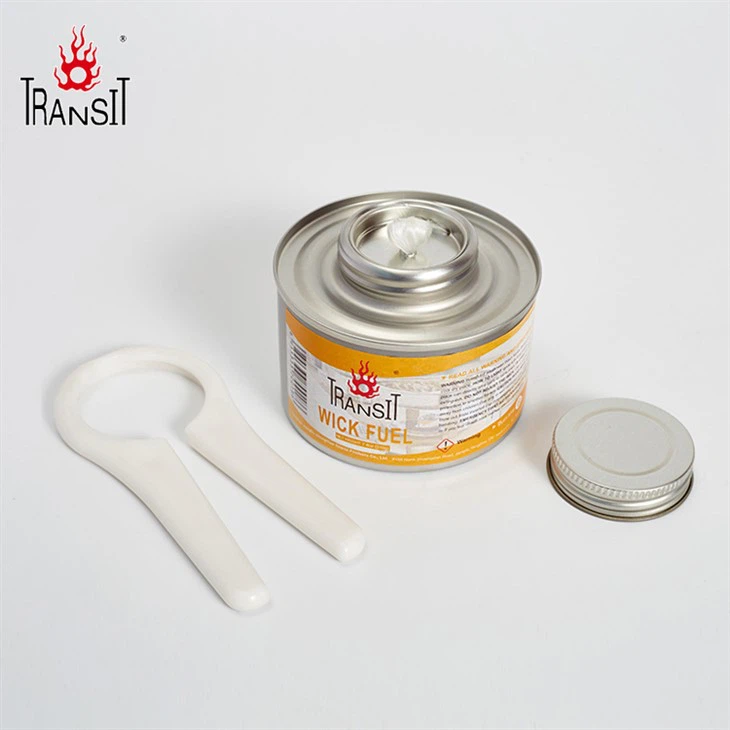

Our 6 Hour Chafing Fuel is another top-selling product. It is formulated to provide a long and consistent burn, making it perfect for extended events. The fuel has been carefully tested to ensure it meets strict safety standards, with a fire rating that gives users peace of mind. For larger events or for those who prefer to buy in bulk, we also offer the 6 Hour Chafing Fuel 12 Pack.
Safety Precautions Based on Fire Ratings
Understanding the fire ratings of liquid chafing fuel is essential for taking appropriate safety precautions. When using a fuel with a lower flash point, extra care should be taken to avoid ignition sources. This includes keeping the fuel away from open flames, hot surfaces, and electrical equipment. It is also important to store the fuel in a cool, dry place, away from direct sunlight and heat sources.
When lighting the chafing fuel, always follow the manufacturer's instructions. Use a long-handled lighter or match to ensure a safe distance from the fuel. Never add fuel to a burning chafing dish, as this can cause a dangerous flare-up. After use, allow the fuel to cool completely before handling or disposing of it.
Importance of Choosing the Right Fire Rating
Selecting the right fire rating for your liquid chafing fuel is crucial for both safety and performance. A fuel with a too-low fire rating may pose a significant fire hazard, putting you, your guests, and your property at risk. On the other hand, a fuel with a very high fire rating may not burn efficiently, resulting in a weak flame and inadequate heat for your chafing dishes.
Consider the environment in which you will be using the fuel. If you are using it in a well-ventilated area with minimal ignition sources, a fuel with a slightly lower fire rating may be acceptable. However, if you are using it in a confined space or near other flammable materials, a fuel with a higher fire rating is recommended.
Conclusion
In conclusion, the fire ratings of liquid chafing fuel are an important consideration when choosing the right product for your needs. By understanding the factors that affect fire ratings and taking appropriate safety precautions, you can ensure a safe and enjoyable experience when using chafing dishes. At our company, we are committed to providing high-quality liquid chafing fuels with excellent fire ratings. Whether you are hosting a small dinner party or a large corporate event, our products are designed to meet your needs.
If you are interested in learning more about our liquid chafing fuels or would like to discuss your specific requirements, please don't hesitate to reach out. We are here to assist you in making the right choice for your next event.
References
- National Fire Protection Association (NFPA). Fire Protection Handbook.
- ASTM International. Standards for testing and evaluating liquid fuels.
- Manufacturer's product data sheets for liquid chafing fuels.
Previous: What is bioethanol gel?