

What are the ways to reduce emissions from solid - fuel combustion?
As a solid fuel supplier, I've seen firsthand the concerns and challenges surrounding emissions from solid - fuel combustion. In this blog, I'll share some effective ways to reduce these emissions, which not only benefit the environment but also enhance the efficiency of fuel use.
1. Choose Cleaner Solid Fuels
One of the most straightforward ways to cut down emissions is by selecting cleaner solid fuels. For instance, instead of traditional coal, we can offer alternatives like biomass pellets. Biomass is made from organic materials such as wood chips, agricultural waste, and sawdust. When burned, biomass releases carbon dioxide, but it's part of the natural carbon cycle. The plants that were used to make the biomass absorbed CO2 during their growth, so the net carbon emissions are lower compared to fossil - based solid fuels.
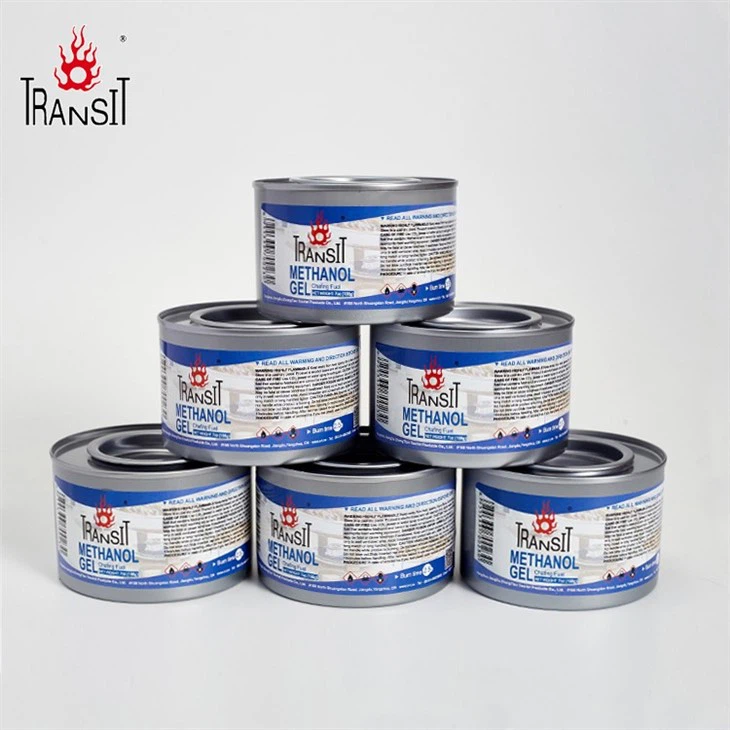
Another great option is the Jelled Methanol Warming Fuel. Methanol is a relatively clean - burning fuel. When it combusts, it produces fewer pollutants like sulfur dioxide, particulate matter, and heavy metals compared to coal and some other solid fuels. It also has a high energy density, which means you can get more heat output per unit of fuel.
2. Optimize Combustion Conditions
Proper combustion is key to reducing emissions. We need to ensure that the solid fuel burns as completely as possible. This can be achieved by controlling the air - fuel ratio. If there's too little air, the fuel won't burn completely, leading to the production of carbon monoxide and unburned hydrocarbons. On the other hand, too much air can waste energy and increase the amount of nitrogen oxides (NOx) produced.
Using advanced combustion technologies can also help. For example, fluidized - bed combustion systems are very efficient. In these systems, the solid fuel is suspended in a stream of air, which allows for better mixing and more complete combustion. This reduces the formation of pollutants and increases the overall efficiency of the combustion process.
3. Install Emission Control Devices
Emission control devices are essential for reducing the amount of pollutants released into the atmosphere. One common device is the particulate matter filter. These filters can capture dust, ash, and other solid particles that are produced during combustion. There are different types of particulate matter filters, such as fabric filters and electrostatic precipitators.
For controlling sulfur dioxide emissions, flue - gas desulfurization (FGD) systems can be used. These systems work by reacting the sulfur dioxide in the flue gas with a sorbent, usually limestone or lime. This chemical reaction forms a solid compound that can be removed from the flue gas, reducing the amount of sulfur dioxide released.
To reduce nitrogen oxides, selective catalytic reduction (SCR) systems are often employed. In an SCR system, a reducing agent, such as ammonia or urea, is injected into the flue gas. The reducing agent reacts with the nitrogen oxides in the presence of a catalyst, converting them into nitrogen and water, which are harmless substances.
4. Improve Fuel Storage and Handling
Proper storage and handling of solid fuels can also have an impact on emissions. If solid fuels are stored in an open area exposed to the elements, they can absorb moisture. Wet fuel burns less efficiently and can produce more pollutants. It's important to store solid fuels in a dry, covered area to prevent moisture absorption.
During handling, we should also try to minimize dust generation. When solid fuels are moved or transferred, dust can be released into the air. Using enclosed conveyor systems or dust - suppression equipment can help reduce the amount of dust that escapes into the environment.
5. Regular Maintenance of Combustion Equipment
Regular maintenance of the combustion equipment is crucial for reducing emissions. Over time, combustion equipment can wear out, and parts may become damaged or clogged. This can lead to inefficient combustion and increased emissions.
For example, burners need to be cleaned and adjusted regularly to ensure proper fuel atomization and mixing with air. Heat exchangers should be inspected for fouling, as a dirty heat exchanger can reduce the efficiency of the combustion process and increase emissions. By keeping the combustion equipment in good working condition, we can ensure that the fuel burns efficiently and with minimal emissions.
6. Educate Consumers
As a solid fuel supplier, it's our responsibility to educate consumers about the proper use of solid fuels and the importance of reducing emissions. We can provide information on how to operate the combustion equipment correctly, how to choose the right fuel, and how to maintain the equipment.
We can also encourage consumers to use our cleaner fuel options, such as the 2 Hour Methanol Gel and Handy Fuel Gel. These fuels are not only more environmentally friendly but also offer convenience and good performance.
Conclusion
Reducing emissions from solid - fuel combustion is a complex but achievable goal. By choosing cleaner fuels, optimizing combustion conditions, installing emission control devices, improving fuel storage and handling, maintaining combustion equipment, and educating consumers, we can make a significant difference.
As a solid fuel supplier, I'm committed to providing high - quality, low - emission solid fuels and promoting sustainable practices. If you're interested in learning more about our products or want to discuss your fuel needs, I'd love to hear from you. Let's work together to reduce emissions and create a cleaner, greener future.

References
- International Energy Agency. (2023). Solid Biofuels Market Report.
- Environmental Protection Agency. (2023). Emission Standards for Solid Fuel Combustion.
- World Health Organization. (2023). Air Quality Guidelines.