

What is the combustion efficiency of the gel of bio - ethanol?
Hey there! I'm a supplier of Gel Of Bio Ethanol, and today I wanna chat about something super important: the combustion efficiency of this awesome gel.
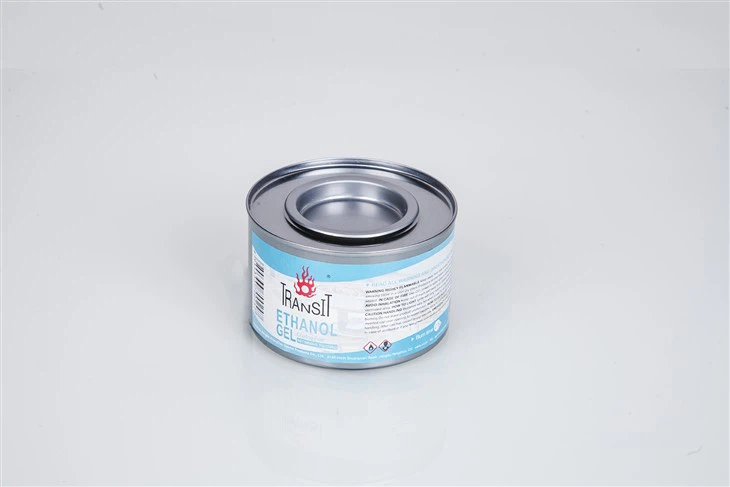
First off, let's understand what bio - ethanol gel is. Bio - ethanol is an alcohol produced from biomass, like sugarcane, corn, or other plant materials. When we turn it into a gel, it becomes easier to handle and use in various applications. You can check out our Bioethanol Fire Gel which is great for creating a cozy and eco - friendly fire at home, or our Catering Fuel Gel used in the food service industry, and Chafing Dish Fuel for keeping food warm.
Now, let's dig into combustion efficiency. Combustion efficiency is all about how well a fuel burns. When a fuel has high combustion efficiency, it means it's using most of its energy to produce heat and light, rather than wasting it in other forms like unburned fuel or pollutants.
For bio - ethanol gel, its combustion efficiency is pretty impressive. One of the main reasons is that bio - ethanol is a clean - burning fuel. Unlike some fossil fuels that release a ton of harmful emissions like sulfur dioxide, particulate matter, and nitrogen oxides when they burn, bio - ethanol burns more cleanly. When the gel form of bio - ethanol combusts, it reacts with oxygen in the air to produce carbon dioxide and water vapor.
The chemical reaction for the combustion of ethanol (C₂H₅OH) is: C₂H₅OH + 3O₂ → 2CO₂+ 3H₂O. This simple and straightforward reaction shows that ethanol has the potential to burn completely, which is a key factor in high combustion efficiency.
In real - world applications, the combustion efficiency of bio - ethanol gel can be affected by a few things. The first is the quality of the gel itself. A well - formulated bio - ethanol gel will have a consistent composition, which allows for more even burning. If the gel has impurities or an uneven distribution of ethanol, it can lead to incomplete combustion. For example, if there are pockets of higher - concentration ethanol in the gel, they might burn too quickly, while areas with lower concentration might not burn as well.
Another factor is the burning environment. The amount of oxygen available during combustion is crucial. In a well - ventilated area, there's plenty of oxygen for the bio - ethanol gel to react with, which promotes complete combustion. However, in a poorly ventilated space, the lack of oxygen can cause incomplete combustion. You might notice a yellow or orange flame instead of a clean blue one. A yellow flame indicates that there's not enough oxygen, and some of the carbon in the ethanol is being released as soot instead of being fully oxidized to carbon dioxide.
The design of the burner or container also plays a role. A good burner will provide a stable platform for the gel to burn on and will allow for proper air circulation around the gel. If the burner is too small or doesn't allow enough air to reach the gel, it can reduce the combustion efficiency.
Now, let's talk about the benefits of high combustion efficiency in bio - ethanol gel. For one, it means more heat output. When the gel burns more efficiently, it's converting more of its energy into heat. This is great for applications like heating in homes or keeping food warm in catering. You can get the same amount of heat using less gel, which is cost - effective in the long run.
It's also better for the environment. Since a high - efficiency bio - ethanol gel burns more completely, it releases fewer pollutants into the air. This is especially important in indoor settings, where poor air quality can have a big impact on our health. For example, in a restaurant using our Chafing Dish Fuel, high - efficiency combustion means a cleaner and healthier dining environment for both customers and staff.
In terms of performance, high combustion efficiency also leads to a more stable flame. A stable flame is important for applications like decorative fires. You want a consistent and beautiful flame that doesn't flicker or go out easily. The Bioethanol Fire Gel we offer provides just that, thanks to its high combustion efficiency.
When it comes to comparing bio - ethanol gel with other fuels, it really stands out. Traditional fuels like kerosene or propane can be messy and produce more emissions. Kerosene, for example, can leave behind a strong odor and soot when it burns. Propane, while a popular fuel, requires special storage and handling equipment. Bio - ethanol gel is much easier to store and use. It comes in convenient containers and doesn't require any complex installation like a propane tank.
We've done a lot of testing on our bio - ethanol gel to ensure its high combustion efficiency. We test different batches to make sure the composition is consistent, and we also test it in various burning conditions. Our Catering Fuel Gel has been used in many professional kitchens, and chefs have been really happy with its performance. It provides a steady and efficient source of heat for keeping food at the right temperature.
If you're in the market for a clean, efficient, and easy - to - use fuel, our bio - ethanol gel is a great choice. Whether you're looking for a fuel for your home fireplace, a catering business, or a chafing dish, we've got you covered. We're always looking to improve our products and make them even more efficient.
So, if you're interested in purchasing our Gel Of Bio Ethanol, feel free to reach out to us for more information and to start a procurement discussion. We're here to answer all your questions and help you find the right product for your needs.

References
- "Combustion Science and Engineering" by R. Shankar Subramanian
- "Alternative Fuels and Advanced Vehicle Technologies for Improved Environmental Performance" by National Research Council