

What is the flash point of alcohol gel fuel?
The flash point of a substance is a critical parameter, especially when dealing with fuels. As a supplier of Alcohol Gel Fuel, understanding the flash point of alcohol gel fuel is of utmost importance. In this blog post, we'll delve into what the flash point of alcohol gel fuel is, why it matters, and how it affects its use and safety.
What is the Flash Point?
The flash point is defined as the lowest temperature at which a liquid gives off enough vapor to form an ignitable mixture with air near the surface of the liquid. In simpler terms, it's the temperature at which a substance can start to burn if an ignition source is present. This is different from the boiling point, which is the temperature at which a liquid turns into a gas throughout its bulk.
For alcohol gel fuel, the flash point is a key characteristic that determines its safety during storage, transportation, and use. It helps users and suppliers understand under what conditions the fuel can become a fire hazard.
Factors Affecting the Flash Point of Alcohol Gel Fuel
The flash point of alcohol gel fuel is influenced by several factors. One of the primary factors is the type of alcohol used in the gel. Most alcohol gel fuels are based on ethanol, which has a relatively low flash point. Ethanol has a flash point of around 13°C (55°F). However, when ethanol is used to make a gel fuel, other components are added to thicken it and change its properties.
The additives used in the gel can have a significant impact on the flash point. Some additives are designed to increase the flash point, making the fuel safer to handle. For example, gelling agents can slow down the evaporation of the alcohol, which in turn raises the temperature at which enough vapor is produced to form an ignitable mixture.
The concentration of alcohol in the gel also plays a role. A higher concentration of alcohol generally means a lower flash point, as there is more fuel available to vaporize. Manufacturers need to strike a balance between the desired heating performance of the fuel, which is related to the alcohol concentration, and the safety requirements, which are affected by the flash point.
Why the Flash Point Matters
Understanding the flash point of alcohol gel fuel is crucial for several reasons. Firstly, it is a legal requirement in many countries to label the flash point of flammable substances. This information helps consumers make informed decisions about the safe use and storage of the fuel.
Secondly, the flash point affects the handling and storage of the fuel. Alcohol gel fuel should be stored in a cool place, away from heat sources and open flames. If the storage temperature approaches or exceeds the flash point, there is a risk of the fuel vaporizing and creating an explosive atmosphere.
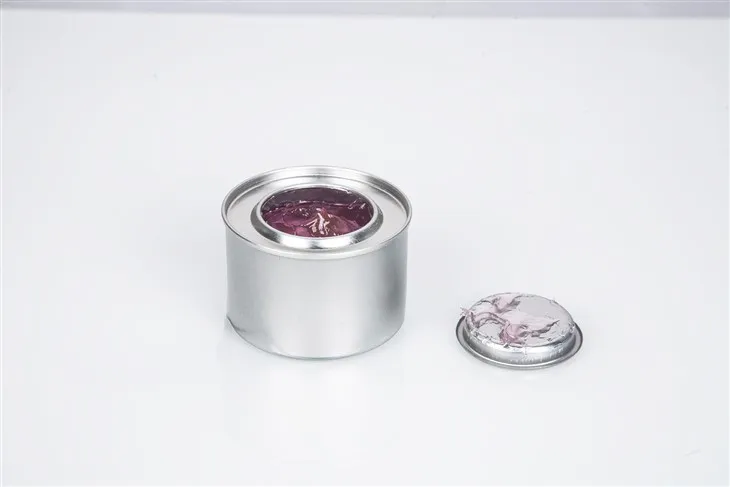
In terms of use, the flash point determines the conditions under which the fuel can be safely ignited. For example, Canned Heat Ethanol Gel is often used for heating food in Chafing Dish Fuel setups. The flash point ensures that the fuel can be ignited without posing an excessive risk of fire. If the flash point is too low, there is a greater chance of accidental ignition, which can lead to dangerous situations.
Testing the Flash Point of Alcohol Gel Fuel
There are several methods for testing the flash point of alcohol gel fuel. One common method is the closed-cup test. In this test, a sample of the fuel is placed in a closed container, and the temperature is gradually increased. An ignition source is introduced at regular intervals, and the temperature at which the vapor above the fuel ignites is recorded as the flash point.
Another method is the open-cup test. In this test, the fuel is placed in an open container, and the temperature is raised until a flash is observed on the surface of the fuel. The open-cup test generally gives a slightly higher flash point than the closed-cup test, as the vapor is more exposed to the air in the open-cup setup.
Manufacturers of alcohol gel fuel are required to test the flash point of their products regularly to ensure compliance with safety standards. These tests are usually carried out in specialized laboratories using calibrated equipment.
Safety Precautions Based on the Flash Point
Based on the flash point of alcohol gel fuel, several safety precautions should be taken. When storing the fuel, it should be kept in a well-ventilated area at a temperature below the flash point. This helps prevent the buildup of flammable vapors.
During transportation, the fuel should be packed in approved containers that can withstand the potential pressure changes and prevent leaks. It is also important to avoid exposing the fuel to direct sunlight or other sources of heat during transit.
When using alcohol gel fuel, users should follow the manufacturer's instructions carefully. This includes using the fuel only in approved devices and keeping a safe distance from other flammable materials. Ignition should be done using a proper ignition source, such as a long-handled lighter, to minimize the risk of burns.
Our Commitment as a Supplier
As a supplier of alcohol gel fuel, we are committed to providing high-quality products that meet strict safety standards. We work closely with our manufacturers to ensure that the flash point of our Alcohol Gel Fuel is accurately determined and clearly labeled on the product.
We also provide comprehensive safety information to our customers, including guidelines on storage, transportation, and use. Our goal is to ensure that our customers can use our products safely and effectively.
Contact Us for Purchase and Discussion
If you are interested in purchasing alcohol gel fuel or have any questions about our products, we encourage you to contact us. We are always ready to discuss your specific needs and provide you with the best solutions. Whether you are a restaurant owner looking for Chafing Dish Fuel or an individual in need of Canned Heat Ethanol Gel for personal use, we have the right product for you.
Let's work together to ensure that you have a reliable and safe source of heat for your needs. Contact us today to start the conversation.
References
- ASTM International. (2023). Standard test methods for flash point by closed-cup equilibrium method. ASTM D3278.
- NFPA (National Fire Protection Association). (2022). Flammable and combustible liquids code. NFPA 30.
- International Maritime Organization. (2021). International maritime dangerous goods code (IMDG Code).
Next: No Information