

What is the heat output of Gel Chafing Fuel?
Hey there! As a supplier of Gel Chafing Fuel, I often get asked about the heat output of this nifty stuff. So, I thought I'd sit down and write a blog post to share everything I know about it.
First off, let's talk about what gel chafing fuel is. It's a type of fuel that comes in a gel form, and it's commonly used in catering and food service industries to keep food warm. You've probably seen it at buffets, where those little chafing dishes are filled with food and kept at a nice, warm temperature. That's the magic of gel chafing fuel at work!
Now, the heat output of gel chafing fuel can vary depending on a few factors. One of the main factors is the brand and formulation of the fuel. Different brands may have different chemical compositions, which can affect how much heat they produce. For example, some Catering Fuel Gel might be designed to burn hotter and for a longer time than others.
Another factor that affects heat output is the size of the fuel canister. Generally, larger canisters will have a higher heat output because they contain more fuel. But it's not just about the quantity; the way the fuel is formulated also plays a role. Some fuels are designed to burn more efficiently, which means they can produce more heat with the same amount of fuel.
Let's get into the nitty - gritty of how heat output is measured. Heat output is typically measured in British Thermal Units (BTUs). A BTU is the amount of heat required to raise the temperature of one pound of water by one degree Fahrenheit. For gel chafing fuel, the heat output can range anywhere from around 3,000 BTUs to 8,000 BTUs per hour.
On the lower end of the spectrum, a 3,000 - BTU gel chafing fuel canister might be suitable for smaller chafing dishes or for situations where you don't need to keep the food extremely hot. For example, if you're serving appetizers that don't need to be piping hot, a lower - heat output fuel would work just fine.
On the other hand, if you're serving main courses or large quantities of food, you might want to go for a higher - heat output fuel. An 8,000 - BTU canister can really crank up the heat and keep your food at a proper serving temperature for a longer time.
One of the great things about gel chafing fuel is its consistency. Unlike some other types of fuels, gel chafing fuel burns at a relatively steady rate. This means you can count on a consistent heat output throughout the burning time. So, you don't have to worry about the food getting too hot and then suddenly cooling off.
When it comes to choosing the right gel chafing fuel for your needs, it's important to consider the type of food you're serving, the size of the chafing dishes, and how long you need to keep the food warm. If you're in the catering business, you might want to have a variety of fuel options on hand to handle different situations.
Now, let's talk about some of the different types of gel chafing fuel we offer. We have Eco Smokeless Fuel, which is a great option for those who are environmentally conscious. This fuel burns cleanly and produces very little smoke, which is not only better for the environment but also for the people in the room. You won't have that annoying smoky smell lingering around your buffet area.

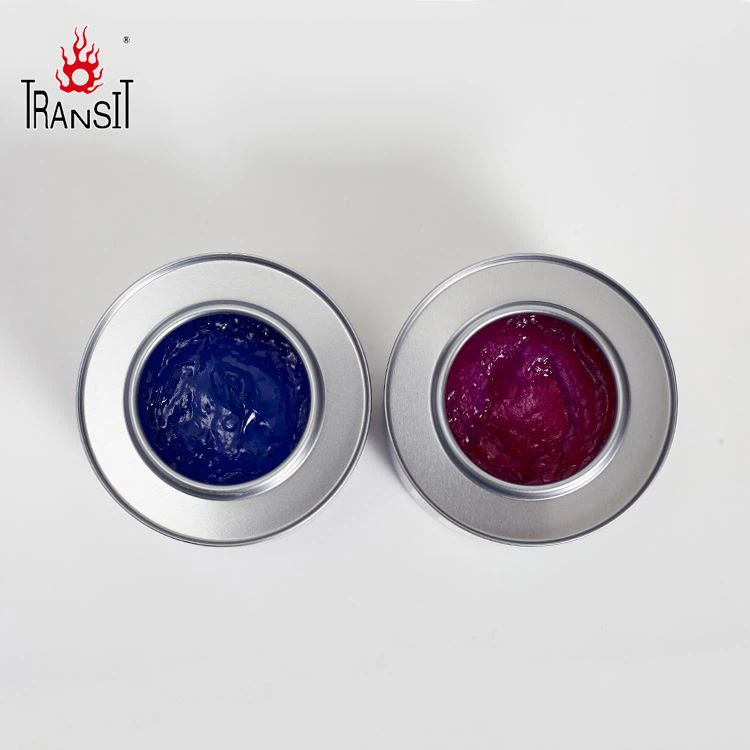
We also have Canned Heat Ethanol Gel. Ethanol - based gels are known for their high heat output and clean - burning properties. They're a popular choice among professional caterers because they can get the job done quickly and efficiently.
So, how do you make sure you're getting the most out of your gel chafing fuel? First, make sure you're using the right size canister for your chafing dish. If the canister is too small, it won't be able to produce enough heat to keep the food warm. If it's too large, you'll be wasting fuel.
Second, follow the manufacturer's instructions for lighting and using the fuel. Different fuels may have different lighting procedures, and it's important to do it correctly to ensure a safe and efficient burn.
Finally, store your gel chafing fuel properly. Keep it in a cool, dry place away from direct sunlight and heat sources. This will help preserve the quality of the fuel and ensure that it burns as expected when you're ready to use it.
In conclusion, the heat output of gel chafing fuel is an important factor to consider when choosing the right fuel for your catering needs. By understanding the factors that affect heat output and the different types of fuels available, you can make an informed decision that will keep your food warm and your customers happy.
If you're interested in learning more about our gel chafing fuel products or if you want to discuss your specific catering requirements, feel free to reach out. We're here to help you find the perfect fuel solution for your business. Whether you're a small - scale caterer or a large - scale event planner, we've got the products and expertise to meet your needs.
References
- General knowledge about catering fuels and heat output from industry experience.
- Manufacturer specifications of gel chafing fuel products.