

What is the ignition time of catering fuel gel?
As a catering fuel gel supplier, I've received numerous inquiries about the ignition time of catering fuel gel. Understanding this aspect is crucial for chefs, event planners, and anyone in the catering industry. In this blog, I'll delve into the factors that influence the ignition time of catering fuel gel, share some scientific insights, and provide practical tips for optimal use.
Understanding Catering Fuel Gel
Catering fuel gel is a popular choice for heating food in buffet settings, chafing dishes, and other catering applications. It offers several advantages over traditional fuels, such as clean burning, easy handling, and longer burn times. The gel form of the fuel makes it safer and more convenient to use, as it doesn't spill or splatter like liquid fuels.
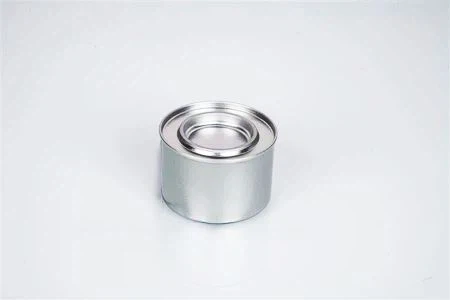

There are different types of catering fuel gel available in the market, each with its own unique characteristics and ignition times. Some of the common types include Bio Gel Fuel, Buffet Fuel, and Chafing Dish Fuel. These fuels are typically made from bioethanol, a renewable and environmentally friendly energy source.
Factors Affecting Ignition Time
The ignition time of catering fuel gel can vary depending on several factors. Here are some of the key factors that influence how quickly the gel will ignite:
1. Gel Composition
The composition of the fuel gel plays a significant role in its ignition time. Different brands and formulations may contain varying amounts of bioethanol, thickeners, and other additives. Fuels with a higher concentration of bioethanol tend to ignite more quickly, as bioethanol is a highly flammable substance. Thickeners, on the other hand, can slow down the ignition process by creating a barrier between the fuel and the flame.
2. Ambient Temperature
The ambient temperature also affects the ignition time of catering fuel gel. In colder temperatures, the gel may be more viscous and harder to ignite. This is because the cold temperature reduces the volatility of the bioethanol, making it less likely to vaporize and ignite. On the other hand, in warmer temperatures, the gel may ignite more quickly due to the increased volatility of the bioethanol.
3. Oxygen Availability
Oxygen is essential for combustion, and the availability of oxygen can impact the ignition time of catering fuel gel. If the gel is placed in an enclosed or poorly ventilated area, there may not be enough oxygen to support rapid ignition. In such cases, the ignition process may be slower, and the flame may be weaker. It's important to ensure that there is adequate ventilation when using catering fuel gel to promote efficient combustion.
4. Ignition Source
The type of ignition source used can also affect the ignition time of catering fuel gel. A high-quality lighter or match with a strong flame will typically ignite the gel more quickly than a weaker ignition source. It's important to use a reliable ignition source and to hold it close to the gel for a few seconds to ensure proper ignition.
Scientific Insights
To better understand the ignition process of catering fuel gel, let's take a closer look at the science behind it. When the gel is exposed to a flame, the heat causes the bioethanol in the gel to vaporize. The vaporized bioethanol then mixes with oxygen in the air to form a combustible mixture. Once the mixture reaches its ignition temperature, it ignites, producing a flame.
The ignition temperature of bioethanol is approximately 363°C (685°F). However, the actual ignition temperature of catering fuel gel may vary depending on the factors mentioned above. The thickeners and other additives in the gel can also affect the ignition temperature by altering the physical and chemical properties of the fuel.
Practical Tips for Optimal Ignition
Based on my experience as a catering fuel gel supplier, here are some practical tips to help you achieve optimal ignition times:
1. Store the Gel Properly
Proper storage is essential to maintain the quality and performance of catering fuel gel. Store the gel in a cool, dry place away from direct sunlight and heat sources. Avoid storing the gel in extreme temperatures, as this can affect its viscosity and ignition properties.
2. Warm Up the Gel
If you're using the gel in cold temperatures, you can warm it up slightly to improve its ignition time. You can do this by placing the gel container in a warm water bath for a few minutes before use. This will help to reduce the viscosity of the gel and make it easier to ignite.
3. Ensure Adequate Ventilation
As mentioned earlier, oxygen is essential for combustion. Make sure that there is adequate ventilation when using catering fuel gel to promote efficient ignition and combustion. Avoid using the gel in enclosed or poorly ventilated areas, as this can increase the risk of carbon monoxide poisoning.
4. Use a Reliable Ignition Source
Invest in a high-quality lighter or match with a strong flame. Hold the ignition source close to the gel for a few seconds to ensure proper ignition. Avoid using a weak or unreliable ignition source, as this can result in a longer ignition time or failed ignition.
5. Follow the Manufacturer's Instructions
Always follow the manufacturer's instructions when using catering fuel gel. Different brands and formulations may have specific recommendations for ignition, use, and storage. By following the instructions, you can ensure the safe and effective use of the gel.
Conclusion
The ignition time of catering fuel gel is influenced by several factors, including gel composition, ambient temperature, oxygen availability, and ignition source. By understanding these factors and following the practical tips provided, you can achieve optimal ignition times and ensure the safe and efficient use of catering fuel gel.
If you're in the catering industry and looking for a reliable supplier of catering fuel gel, I'd be happy to assist you. Our Bio Gel Fuel, Buffet Fuel, and Chafing Dish Fuel are made from high-quality bioethanol and are designed to provide consistent performance and long burn times. Contact us today to discuss your catering fuel needs and to learn more about our products.
References
- "Combustion of Bioethanol and Its Blends" by S. S. Zelepouga, A. A. Konnov, and A. M. Starik.
- "The Science of Fire" by John D. DeHaan.
- Manufacturer's instructions for various catering fuel gel products.