

What is the oxygen requirement for the combustion of bioethanol gel?
Bioethanol gel has emerged as a popular and eco - friendly fuel source in various applications, from chafing dishes to providing heat for buffets. As a bioethanol gel supplier, understanding the oxygen requirement for its combustion is crucial not only for ensuring efficient and safe use but also for educating our customers.
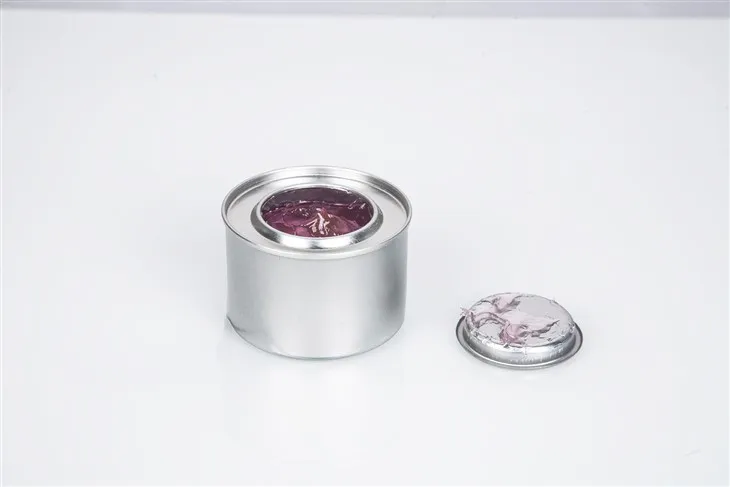

The Basics of Bioethanol Gel Combustion
Bioethanol gel is primarily composed of ethanol, which is an alcohol with the chemical formula (C_{2}H_{5}OH). When bioethanol gel burns, it undergoes a combustion reaction with oxygen in the air. The general chemical equation for the complete combustion of ethanol is:
(C_{2}H_{5}OH + 3O_{2}\rightarrow2CO_{2}+3H_{2}O)
This equation indicates that for every molecule of ethanol, three molecules of oxygen are required for complete combustion. In terms of mass, the molar mass of ethanol ((C_{2}H_{5}OH)) is approximately (46\space g/mol), and the molar mass of oxygen ((O_{2})) is approximately (32\space g/mol). So, for the complete combustion of (46\space g) of ethanol, (3\times32 = 96\space g) of oxygen is needed.
Factors Affecting Oxygen Requirement
1. Combustion Conditions
The efficiency of combustion plays a significant role in determining the actual oxygen requirement. In an ideal situation, with perfect mixing of bioethanol gel vapor and oxygen, complete combustion occurs as described by the chemical equation. However, in real - world scenarios, factors such as the design of the burner and the ventilation rate can affect the combustion process.
For example, in a poorly ventilated environment, the supply of oxygen may be limited. This can lead to incomplete combustion, where ethanol reacts with oxygen to form carbon monoxide ((CO)) instead of carbon dioxide ((CO_{2})). The chemical equation for incomplete combustion is (2C_{2}H_{5}OH+5O_{2}\rightarrow4CO + 6H_{2}O). In this case, less oxygen is consumed per unit of ethanol compared to complete combustion, but the production of carbon monoxide is a serious safety hazard as it is a toxic gas.
2. Quality of Bioethanol Gel
The purity and composition of bioethanol gel can also influence the oxygen requirement. Impurities in the gel may require additional oxygen for their combustion or may interfere with the combustion process of ethanol itself. High - quality bioethanol gel with a high ethanol content will have a more predictable oxygen requirement based on the stoichiometry of ethanol combustion.
Applications and Oxygen Considerations
Chafing Dish Fuel
Chafing Dish Fuel is one of the common applications of bioethanol gel. Chafing dishes are used to keep food warm in catering events. When using bioethanol gel as chafing dish fuel, proper ventilation is essential. A well - ventilated chafing dish setup ensures a continuous supply of oxygen, allowing for complete combustion of the bioethanol gel. This not only provides efficient heating but also reduces the risk of carbon monoxide production.
In a typical chafing dish setup, the burner should be placed in an area where there is a natural flow of air. For example, in a large banquet hall, the open space around the chafing dishes usually provides sufficient ventilation. However, in a small, enclosed kitchen area, additional ventilation may be required, such as using exhaust fans.
Buffet Fuel
Buffet Fuel is another important application. Buffets often have multiple bioethanol gel burners operating simultaneously. The cumulative oxygen demand from these burners can be significant. Event organizers need to ensure that the buffet area has adequate ventilation to meet the oxygen requirements of all the burners.
If the buffet is set up in a tent or a confined space, special attention should be paid to ventilation design. This may involve creating vents at the top and bottom of the tent to allow for air circulation. Additionally, regular checks should be made to ensure that the burners are operating properly and that there is no sign of incomplete combustion, such as a yellow - colored flame (which can indicate the presence of carbon monoxide).
Canned Heat Ethanol Gel
Canned Heat Ethanol Gel is a convenient form of bioethanol gel fuel. It is often used in smaller heating applications, such as for warming individual plates or small food items. While the oxygen requirement for a single can of heat ethanol gel is relatively low compared to larger - scale applications, proper ventilation is still necessary.
When using canned heat ethanol gel indoors, such as in a home kitchen or a small dining area, opening a window or using a small fan can help maintain a sufficient oxygen supply for combustion.
Measuring and Ensuring Adequate Oxygen Supply
1. Oxygen Sensors
In some high - end or large - scale applications, oxygen sensors can be used to monitor the oxygen level in the environment. These sensors can detect if the oxygen level is dropping below a safe threshold, which may indicate incomplete combustion or a lack of ventilation. When the oxygen level is low, an alarm can be triggered, and appropriate actions can be taken, such as increasing ventilation.
2. Ventilation Design
Proper ventilation design is the most fundamental way to ensure an adequate oxygen supply. For commercial kitchens and large - scale catering events, professional ventilation systems should be installed. These systems are designed to remove combustion by - products and replenish the oxygen in the air.
In smaller applications, simple measures such as ensuring open windows or using fans can be effective. For example, in a home dining area where bioethanol gel is used for a small chafing dish, opening a window slightly can provide enough fresh air for combustion.
Conclusion
As a bioethanol gel supplier, we understand the importance of educating our customers about the oxygen requirement for the combustion of bioethanol gel. Whether it is for Chafing Dish Fuel, Buffet Fuel, or Canned Heat Ethanol Gel, proper ventilation and understanding of combustion chemistry are essential for safe and efficient use.
If you are interested in purchasing our high - quality bioethanol gel products, we invite you to contact us for a detailed discussion about your specific requirements. Our team of experts is ready to provide you with the best solutions for your heating needs.
References
- Atkins, P., & de Paula, J. (2014). Physical Chemistry for the Life Sciences. Oxford University Press.
- Chang, R. (2010). Chemistry. McGraw - Hill Education.
- Smith, J. M., Van Ness, H. C., & Abbott, M. M. (2005). Introduction to Chemical Engineering Thermodynamics. McGraw - Hill.