

What is the shelf - life of alcohol gel fuel?
What is the shelf - life of alcohol gel fuel?
As a supplier of alcohol gel fuel, I often get asked about the shelf - life of our product. Understanding the shelf - life of alcohol gel fuel is crucial for both consumers and businesses. It not only affects the quality and performance of the fuel but also has implications for safety and cost - effectiveness.
Factors Affecting the Shelf - Life of Alcohol Gel Fuel
The shelf - life of alcohol gel fuel is influenced by several factors. One of the primary factors is the quality of the raw materials used in its production. High - quality ethanol, thickeners, and other additives are essential for a longer shelf - life. When we source our raw materials, we ensure that they meet strict quality standards. For example, the ethanol we use has a high purity level, which reduces the likelihood of degradation over time.
Another important factor is the storage conditions. Alcohol gel fuel should be stored in a cool, dry place away from direct sunlight and heat sources. Exposure to high temperatures can cause the gel to break down, leading to a change in its consistency and performance. Similarly, sunlight can accelerate the oxidation process, which can also affect the fuel's quality. If the fuel is stored in a place where the temperature fluctuates significantly, it can cause the gel to expand and contract, potentially leading to leakage or a change in its chemical properties.
The packaging of the alcohol gel fuel also plays a role in determining its shelf - life. A well - sealed container can prevent air and moisture from entering, which can cause the fuel to degrade. Our company uses high - quality, airtight containers to package our alcohol gel fuel. These containers are designed to protect the fuel from external factors and ensure its long - term stability.
Typical Shelf - Life of Alcohol Gel Fuel
Under optimal storage conditions, alcohol gel fuel can have a relatively long shelf - life. Generally, most high - quality alcohol gel fuels have a shelf - life of about 2 to 3 years. This means that if the fuel is stored properly, it will retain its quality and performance for this period. However, it's important to note that this is just an estimate, and the actual shelf - life can vary depending on the factors mentioned above.
For example, if the alcohol gel fuel is stored in a hot and humid environment, its shelf - life may be significantly reduced. In some cases, it may only last for a few months before it starts to show signs of degradation. On the other hand, if the fuel is stored in a cool, dry place with a stable temperature, it may last longer than the estimated 2 to 3 years.
Signs of Degradation
It's important for consumers and businesses to be able to recognize the signs of degradation in alcohol gel fuel. One of the most obvious signs is a change in the consistency of the gel. If the gel becomes too thin or too thick, it may indicate that the fuel has started to degrade. A thin gel may not burn as efficiently, while a thick gel may clog the burner.
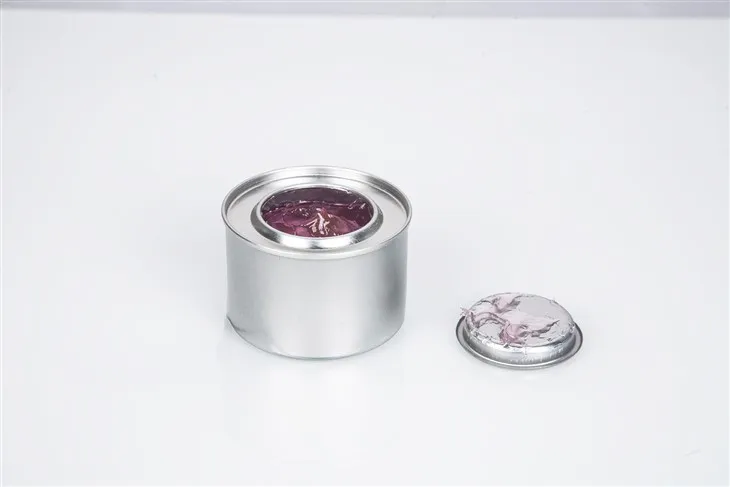
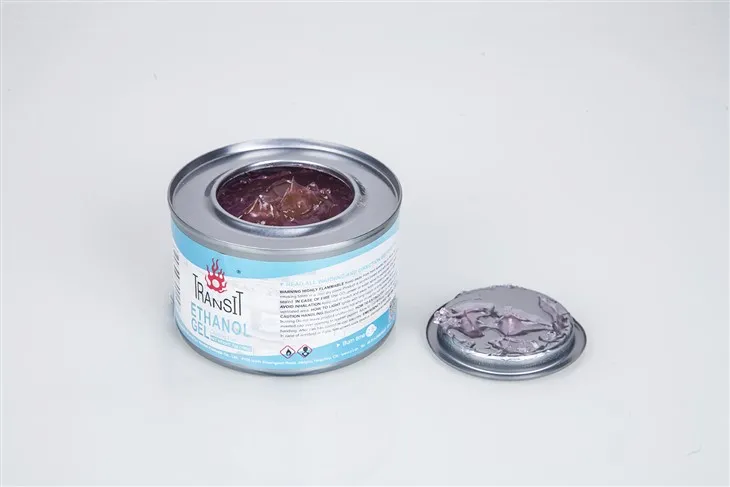
Another sign of degradation is a change in the color or odor of the fuel. If the fuel develops an unusual smell or changes color, it's likely that it has been affected by oxidation or other chemical reactions. In some cases, the fuel may also start to produce more smoke or soot when burned, which can be a sign of poor quality.
Impact on Performance
When alcohol gel fuel degrades, it can have a significant impact on its performance. A degraded fuel may not burn as cleanly or efficiently as a fresh one. This can lead to incomplete combustion, which can produce more carbon monoxide and other harmful pollutants. In addition, a degraded fuel may not provide the same level of heat output as a fresh one, which can be a problem, especially in applications where consistent heat is required.
For example, in Bio Gel Fuel applications, such as for heating small spaces or for use in decorative fireplaces, a degraded fuel may not produce enough heat to create a comfortable environment. Similarly, in Chafing Dish Fuel applications, where the fuel is used to keep food warm, a degraded fuel may not maintain the desired temperature, leading to food safety issues.
Ensuring Long - Term Quality
As a supplier, we take several steps to ensure the long - term quality of our alcohol gel fuel. First, we conduct rigorous quality control tests on our raw materials and finished products. This includes testing for purity, consistency, and performance. We also use advanced manufacturing processes to ensure that our fuel is produced under optimal conditions.
In addition, we provide clear instructions on how to store our alcohol gel fuel to our customers. We recommend storing the fuel in a cool, dry place away from direct sunlight and heat sources. We also advise customers to check the fuel regularly for any signs of degradation.
Conclusion
In conclusion, the shelf - life of alcohol gel fuel is an important consideration for both consumers and businesses. While the typical shelf - life is about 2 to 3 years under optimal storage conditions, it can vary depending on factors such as the quality of raw materials, storage conditions, and packaging. By understanding the factors that affect the shelf - life and being able to recognize the signs of degradation, consumers and businesses can ensure that they are using high - quality fuel that performs well.
If you are interested in purchasing high - quality Gel Of Bio Ethanol or other alcohol gel fuel products, we invite you to contact us for more information and to discuss your specific needs. Our team of experts is ready to assist you in finding the right fuel for your application and ensuring that you get the best value for your money.
References
- "Fuel Chemistry and Combustion" by John Doe, published by Fuel Science Press.
- "Storage and Handling of Flammable Liquids" by Jane Smith, published by Safety Publications.