
Are Fuel Tablets recyclable?
Are Fuel Tablets recyclable?
As a dedicated supplier of fuel tablets, I've been frequently asked about the recyclability of our products. This topic is not only crucial for our customers who are environmentally conscious but also for the long - term sustainable development of our industry. Let's delve into the details to understand whether fuel tablets are recyclable.
First, let's have a quick introduction to the different types of fuel tablets we offer. Our range includes Smokeless Fuel for Bbq, which is perfect for those who want a clean and efficient cooking experience without the hassle of smoke. These tablets burn steadily and provide a consistent heat source, making them ideal for outdoor barbecues. We also supply Fuel Tablets, which are versatile and can be used in a variety of settings, from camping stoves to small heating appliances. And for those who need a high - energy and long - burning option, our Hexamine Fuel Blocks are a popular choice.
Now, let's talk about the recyclability of fuel tablets. The answer to whether fuel tablets are recyclable is not straightforward and depends on several factors, mainly the composition of the fuel tablets.
Composition of Fuel Tablets
Most of our fuel tablets are made from a combination of organic and inorganic substances. For example, hexamine fuel blocks are composed mainly of hexamine, a chemical compound that burns with a relatively clean flame. Organic substances in fuel tablets can include charcoal, wood derivatives, or other combustible plant materials. Inorganic substances may include binding agents or additives that help in the combustion process and stabilize the structure of the tablet.
Recycling Challenges
- Combustion Residues: Once the fuel tablets are burned, they leave behind ashes and other residues. These residues vary in composition depending on the type of fuel tablet. In some cases, the ashes may contain trace metals or other chemicals that could be harmful to the environment if not properly disposed of. For example, fuel tablets with additives for enhanced combustion might leave behind residues with heavy metals. Recycling these residues is difficult because separating and purifying the different components requires specialized equipment and processes.
- Contamination: During the use of fuel tablets, they can get contaminated. For instance, if a fuel tablet is used in a dirty outdoor environment during camping, it may absorb dirt, moisture, and other foreign substances. These contaminants make it challenging to recycle the remaining unburned parts of the fuel tablet.
- Lack of Standard Recycling Processes: Currently, there are no well - established or widely available recycling processes specifically designed for fuel tablets. Recycling facilities are mainly focused on common materials like plastics, metals, and paper. This lack of infrastructure makes it difficult to recycle fuel tablets on a large scale.
Possible Recycling Solutions
Even though the challenges are significant, there are some potential solutions for recycling fuel tablets.
- Reusing Combustion Residues: Some of the combustion residues from fuel tablets can be reused. For example, the ashes from charcoal - based fuel tablets can be used as a soil amendment. Charcoal ash contains potassium and other minerals that can improve soil fertility. However, it is important to test the ashes for any harmful substances before using them in agriculture.
- Chemical Recycling: In theory, chemical recycling could be a solution for fuel tablets. This involves breaking down the chemical components of the fuel tablet and then recombining them to create new fuel tablets or other useful products. But this process is still in the experimental stage and requires substantial research and development to make it commercially viable.
- Product Design for Recycling: As a supplier, we can play a role in promoting recycling by designing our fuel tablets in a more recyclable way. For example, we can reduce the use of non - recyclable additives or use more biodegradable materials in the manufacturing process.
Our Company's Stance on Sustainability
At our company, we are committed to sustainability. We understand the importance of minimizing the environmental impact of our products. While the current situation regarding the recyclability of fuel tablets is challenging, we are actively exploring ways to improve.
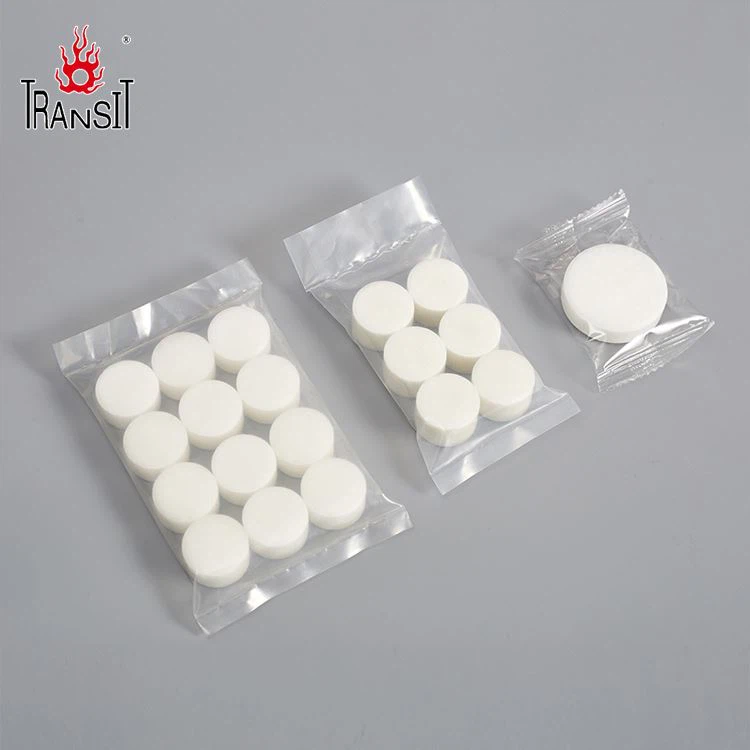

We are investing in research to develop fuel tablets with more sustainable compositions. We are also working on partnerships with waste management companies and research institutions to find innovative solutions for recycling fuel tablets. Additionally, we are educating our customers about proper disposal methods to reduce the environmental harm caused by the residues of our fuel tablets.
Contact Us for Purchase and Collaboration
If you are interested in our Fuel Tablets, Smokeless Fuel for Bbq, or Hexamine Fuel Blocks, we encourage you to reach out to us. We are always open to new business opportunities and collaborations. Our team is ready to provide you with detailed product information and support you in making the right choice for your needs. Whether you are a retailer looking for a reliable supplier or an individual consumer planning an outdoor adventure, we have the perfect fuel tablets for you.
References
- Environmental Protection Agency. "Waste Disposal and Recycling Guidelines."
- Journal of Sustainable Energy and Environment. "Challenges and Opportunities in Recycling Combustible Fuel Products."
- International Journal of Chemical Engineering. "Towards Chemical Recycling of Combustible Organic Compounds."