

Can liquid chafing fuel be used in a chafing dish with a wind guard?
As a supplier of Liquid Chafing Fuel, the question of whether liquid chafing fuel can be used in a chafing dish with a wind guard is one that I encounter quite frequently. In this blog post, I'll delve into the details of this topic, exploring the compatibility, safety aspects, and performance considerations.
Compatibility of Liquid Chafing Fuel and Wind Guards
Liquid chafing fuel is designed to provide a consistent and reliable heat source for chafing dishes, which are commonly used in catering, buffets, and other food - service settings. A wind guard, on the other hand, is used to protect the flame from being extinguished or disturbed by wind, ensuring a more stable heat output.
In general, liquid chafing fuel can be used in a chafing dish with a wind guard. The wind guard helps to maintain a steady flame, which is crucial for the proper functioning of the liquid fuel. When the flame is not affected by wind, the liquid fuel can burn more evenly, providing a more consistent temperature for keeping the food warm.
However, it's important to choose the right type of liquid chafing fuel. Some liquid fuels may be more suitable for use with wind guards than others. For example, A Smokeless Fuel is a great option. It burns cleanly, and with the protection of a wind guard, it can provide a long - lasting and efficient heat source without producing excessive smoke or odor.
Safety Considerations
Safety should always be the top priority when using any type of fuel. When using liquid chafing fuel with a wind guard, here are some key safety points to keep in mind:
- Proper Ventilation: Even though wind guards can help with flame stability, it's still essential to ensure proper ventilation in the area where the chafing dish is being used. Liquid fuel combustion produces carbon dioxide and other by - products, and adequate ventilation helps to prevent the buildup of harmful gases.
- Correct Installation: The wind guard should be properly installed on the chafing dish. A loose or incorrectly installed wind guard can pose a safety risk, as it may tip over and cause the fuel to spill.
- Fuel Level: Do not overfill the fuel container. Overfilling can lead to spills, which are a major fire hazard. Always follow the manufacturer's instructions regarding the maximum fuel level.
- Ignition and Extinguishing: Use the appropriate methods for igniting and extinguishing the liquid chafing fuel. Never use an open flame to ignite the fuel in an unsafe manner. And when it's time to extinguish the flame, make sure to follow the correct procedures to prevent flare - ups.
Performance Considerations
The use of a wind guard can significantly improve the performance of liquid chafing fuel. Here's how:
- Heat Retention: A wind guard acts as a barrier, reducing heat loss due to wind. This means that more of the heat generated by the burning fuel is directed towards the chafing dish, keeping the food at a higher temperature for a longer period.
- Flame Stability: Wind can cause the flame of the liquid chafing fuel to flicker or even be extinguished. A wind guard eliminates this problem by creating a sheltered environment for the flame. As a result, the liquid fuel burns more steadily, providing a more constant heat output.
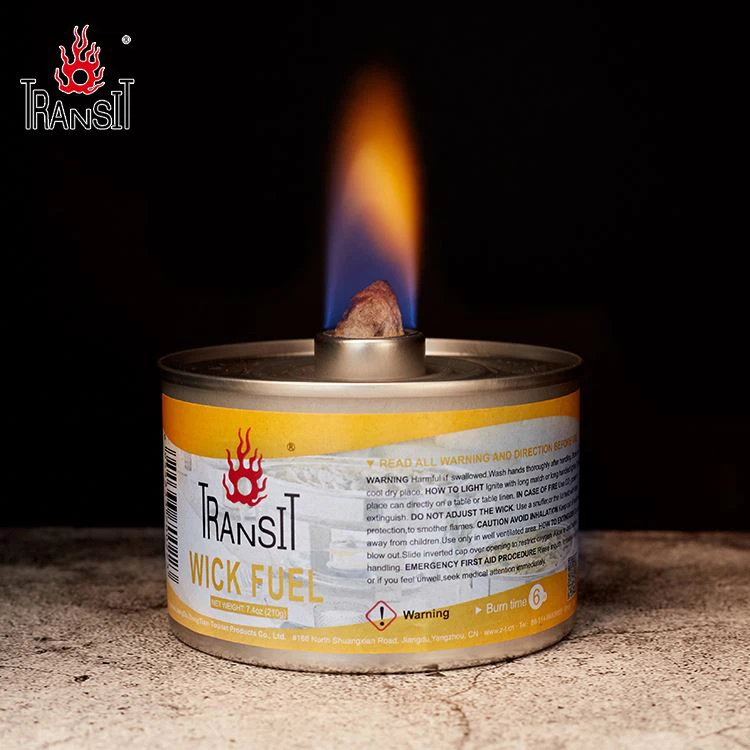
For prolonged use, 6 Hour Chafing Fuel can be an excellent choice. When used in conjunction with a wind guard, it can ensure that your chafing dishes remain warm throughout the course of a long event, without the need for frequent refueling.
Types of Liquid Chafing Fuel and Their Suitability
There are different types of liquid chafing fuel available, and each has its own characteristics that can affect its suitability for use with a wind guard.
- Wick - Based Liquid Chafing Fuel: Wick Chafing Dish Fuel is a popular option. The wick helps to control the flow of fuel to the flame, providing a more consistent burn. When used with a wind guard, the wick - based fuel can maintain a stable flame, as the wind guard protects the wick from being dried out or blown around by the wind.
- Gel - Type Liquid Chafing Fuel: Gel - type liquid fuel is another alternative. It is thicker and less likely to spill compared to other liquid fuels. A wind guard can still enhance its performance by protecting the flame from wind, but care must be taken when handling gel - type fuel, as it can be more difficult to clean up in case of a spill.
Maintenance and Best Practices
To ensure the optimal performance and safety of using liquid chafing fuel with a wind guard, some maintenance and best practices should be followed:
- Regular Cleaning: Clean the chafing dish and the wind guard regularly. Any debris or leftover fuel can affect the performance of the system and may also pose a safety risk.
- Inspection: Regularly inspect the fuel container, wick (if applicable), and the wind guard for any signs of damage or wear. Replace any damaged parts immediately.
- Storage: Store the liquid chafing fuel in a cool, dry place, away from direct sunlight and heat sources. This helps to maintain the quality of the fuel and reduces the risk of accidental ignition.
Conclusion
In conclusion, liquid chafing fuel can definitely be used in a chafing dish with a wind guard. The combination can provide a reliable, efficient, and safe heat source for keeping food warm. However, it's important to choose the right type of fuel, follow all safety precautions, and maintain the equipment properly.
If you are in the market for high - quality liquid chafing fuel for use with wind - guarded chafing dishes, feel free to contact us. We offer a wide range of products, including A Smokeless Fuel, 6 Hour Chafing Fuel, and Wick Chafing Dish Fuel. Our team is ready to assist you in finding the best solution for your catering needs. We look forward to discussing your requirements and helping you make the right choice.

References
- Industry standards and guidelines for chafing fuel use.
- Manufacturer's instructions for various liquid chafing fuel products.
- Research on the performance of different types of liquid chafing fuel in relation to wind protection.
Previous: No Information