

Can bioethanol gel be used in a solar - assisted heater?
Hey there, fellow energy enthusiasts! I'm a supplier of Bioethanol Gel, and I've been getting a bunch of questions lately about whether bioethanol gel can be used in a solar - assisted heater. So, I thought I'd dive deep into this topic and share my thoughts and findings with you.
First off, let's talk a bit about bioethanol gel. Bioethanol gel is a pretty cool alternative fuel source. It's made from renewable resources, which is a huge plus in today's world where we're all trying to be more eco - friendly. It burns clean, producing mainly carbon dioxide and water vapor, which means less pollution compared to some traditional fossil fuels.
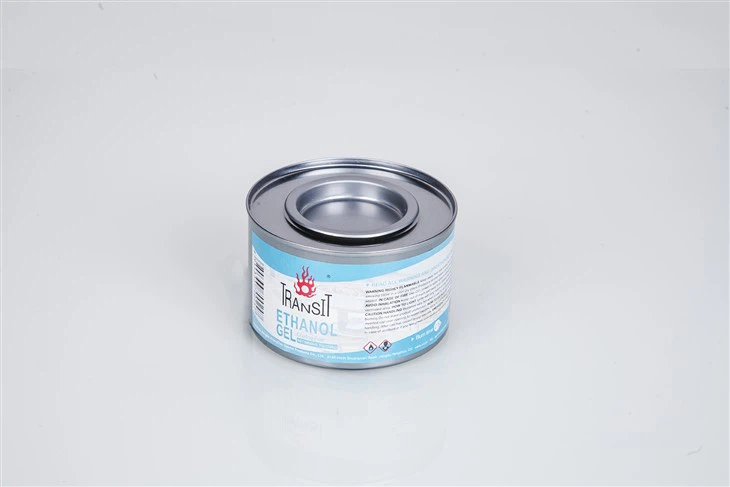
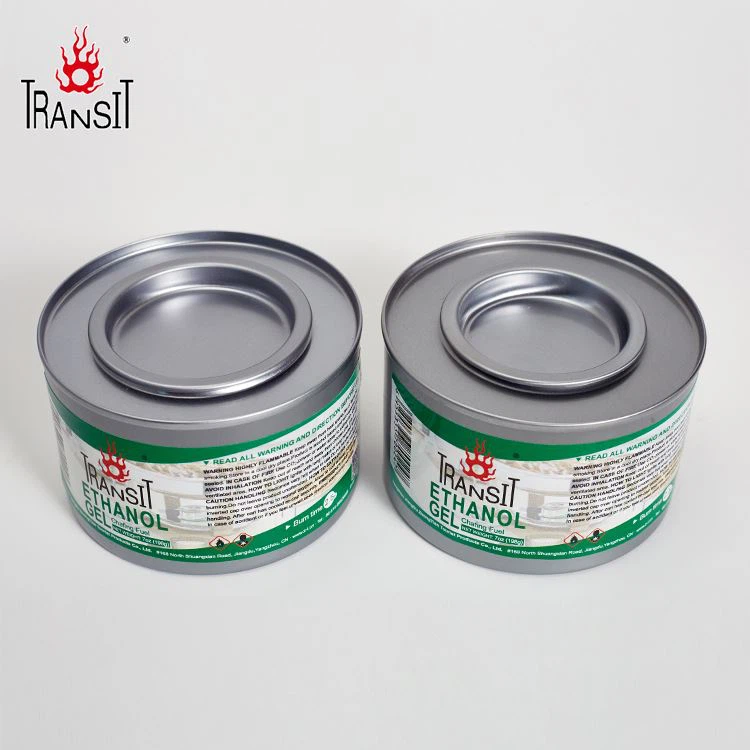
There are different types of bioethanol gel products out there. For example, you've got Alcohol Gel Fuel, which is a popular choice for various heating applications. Then there's Canned Heat Ethanol Gel, which is convenient and easy to use. And of course, Bioethanol Fire Gel is great for creating a cozy and warm atmosphere.
Now, let's get to the main question: can bioethanol gel be used in a solar - assisted heater? To answer that, we need to understand how solar - assisted heaters work. A solar - assisted heater uses solar energy as its primary or supplementary heat source. Solar panels collect sunlight and convert it into heat or electricity, which is then used to warm up a space or a liquid.
One of the advantages of using solar energy is that it's free and renewable. But the problem is, it's not always available. On cloudy days or at night, the solar panels can't generate as much energy. That's where a secondary fuel source like bioethanol gel can come in handy.
Bioethanol gel has a high energy density, which means it can release a significant amount of heat when burned. This makes it a good candidate to supplement the heat generated by solar energy. When the solar input is low, the bioethanol gel can be ignited to provide the extra heat needed to keep the heater running efficiently.
However, there are some challenges to consider. First of all, the design of the solar - assisted heater needs to be compatible with bioethanol gel. The heater should have a proper combustion chamber to ensure that the gel burns safely and completely. If the combustion is incomplete, it can lead to the production of harmful by - products like carbon monoxide.
Secondly, the storage and handling of bioethanol gel need to be done carefully. Bioethanol gel is flammable, so it should be stored in a cool, dry place away from any sources of ignition. And when refilling the heater with bioethanol gel, proper safety procedures should be followed to avoid any accidents.
Another thing to think about is the cost - effectiveness. While bioethanol gel is a renewable fuel, it still has a cost associated with it. You need to weigh the cost of using bioethanol gel against the savings you get from reducing your reliance on grid - based electricity or other non - renewable fuels.
In terms of performance, bioethanol gel can provide a relatively stable heat output. It burns steadily, which means it can maintain a consistent temperature in the heater. This is important for applications where a constant heat supply is required, such as in some industrial processes or in a well - insulated home.
Let's look at some real - world examples. In some off - grid cabins or holiday homes, solar - assisted heaters with bioethanol gel as a backup fuel have been quite successful. During the sunny days, the solar panels do most of the work, heating up the water or the air in the cabin. But when the weather turns bad or at night, the bioethanol gel can be used to keep the place warm and comfortable.
In the agricultural sector, solar - assisted heaters with bioethanol gel can be used to heat greenhouses. This helps to extend the growing season and protect the plants from cold temperatures. The solar energy provides the base heat, and the bioethanol gel can be used to boost the temperature when needed.
So, in conclusion, yes, bioethanol gel can be used in a solar - assisted heater. It has the potential to be a great supplementary fuel source, especially when solar energy is not sufficient. However, proper design, safety measures, and cost - benefit analysis are essential.
If you're interested in using bioethanol gel in your solar - assisted heater or have any questions about our bioethanol gel products, I'd love to have a chat with you. I'm here to help you make the most of this renewable fuel source and find the best solution for your heating needs. Let's get in touch and start this green energy journey together!
References
- Literature on bioethanol gel properties and combustion characteristics
- Research papers on solar - assisted heating systems